
26.10.2026
Isro likely to launch NVS-03 on GSLV on October 30. Why its critical
India's homegrown navigation system can still provide timing services but cannot currently determine positions independently. Isro's NVS-03 launch could help address the gap.
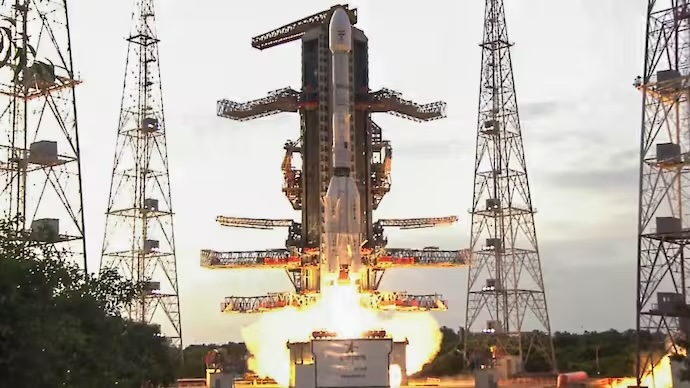
GSLV-F16 carrying an earth observation satellite lifts off. ISRO
The Indian Space Research Organisation (Isro) is preparing to launch its GSLV rocket, carrying a navigation satellite that could help restore India's ability to independently determine locations using its own satellite system.
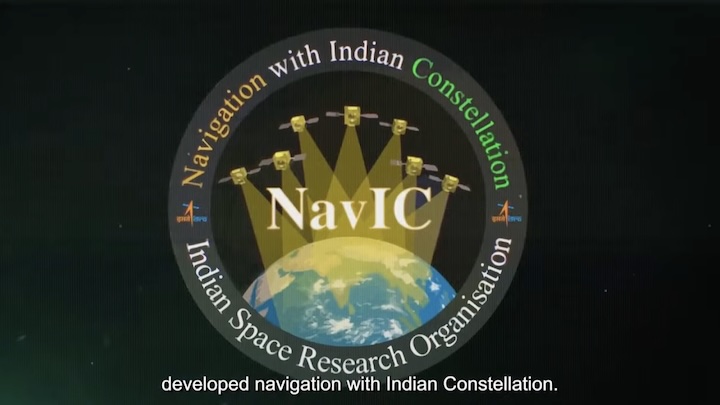
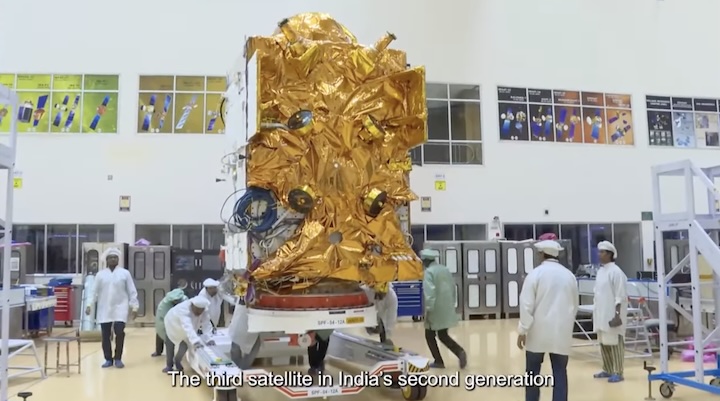
The mission will carry NVS-03, the third satellite in Isro's second-generation Navigation with Indian Constellation (NavIC) programme.
The launch is scheduled for October 30, 2026, from Sriharikota in Andhra Pradesh.
The mission is particularly important because India's homegrown navigation system is facing a shortage of operational satellites needed to provide positioning services independently.
WHAT WILL GSLV DO?
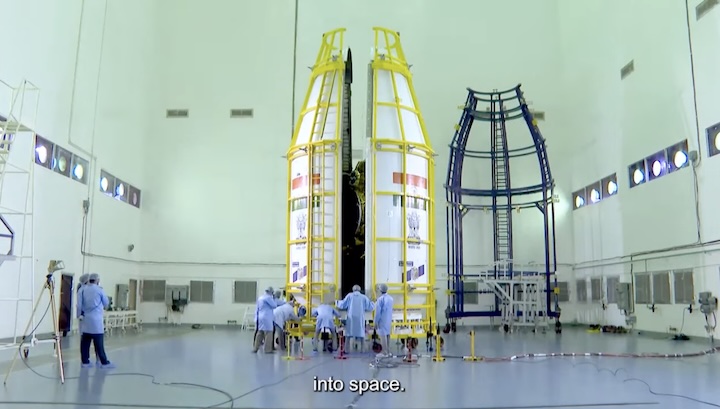
The GSLV-F18 rocket will carry NVS-03 into space to strengthen NavIC, India's regional satellite navigation system.
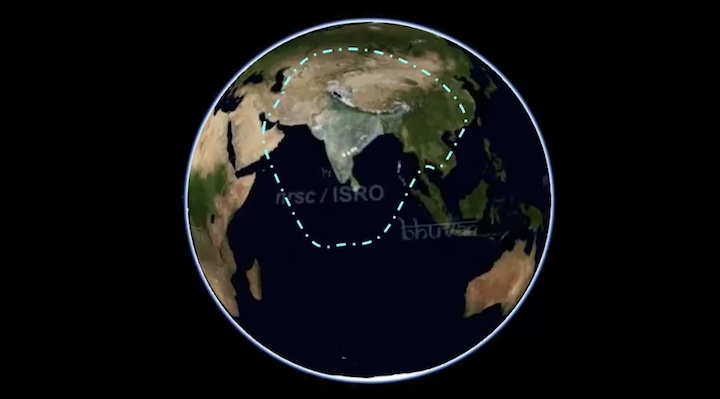
Similar in purpose to the United States' Global Positioning System (GPS), NavIC provides location and timing information across India and around 1,500 km beyond its borders.
These services support applications ranging from road navigation and transport to maritime operations and emergency response. They are also important for strategic purposes, allowing India to reduce its dependence on navigation systems operated by other countries.
NVS-03 is part of a newer generation of satellites designed to improve the reliability of NavIC and maintain its services as older spacecraft age.
WHY INDIA NEEDS ANOTHER NAVIGATION SATELLITE
The need for this navigational technology is rather urgent for India.
In a written reply to Parliament in July, the government said only three satellites were providing positioning, navigation and timing services through NavIC.
A satellite navigation receiver generally needs signals from at least four satellites to calculate its position and correct its internal clock.
With only three operational satellites available for positioning, NavIC cannot currently provide standalone positioning. Its timing service, however, remains functional.
This does not mean navigation services on phones have stopped working. Many devices also use other satellite systems, including GPS.
The launch of NVS-03 is expected to help restore NavIC's independent positioning capability once the satellite reaches its intended orbit and becomes operational.
The government has also said NVS-04 and NVS-05 are in advanced stages of development. Together, these missions are part of Isro's effort to strengthen India's navigation network for
ISRO to launch NVS-03 on Oct 30: Will this fix gaps in India’s Regional Navigation System?
ISRO's GSLV-F18 rocket will launch the 2,250-kg NVS-03 navigation satellite on October 30 to strengthen India's NavIC system with an indigenous atomic clock and L1 signals.
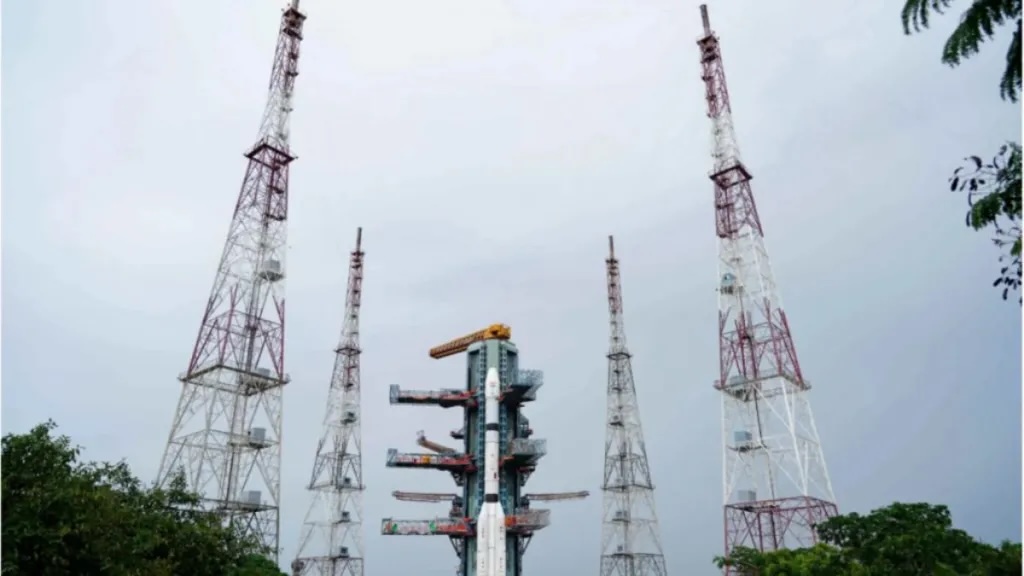
ISRO will launch the NVS-03 navigation satellite aboard the GSLV-F18 rocket from Sriharikota on October 30. (Express)
The Indian Space Research Organisation (ISRO) will launch its navigation satellite NVS-03 aboard a GSLV rocket on October 30, 2026, to strengthen India’s regional navigation system, the space agency said on Wednesday.
The GSLV-F18/NVS-03 mission is scheduled to lift off at 11.51 pm from the Satish Dhawan Space Centre in Sriharikota, Andhra Pradesh. The satellite weighs around 2,250 kg and will be placed in a Geosynchronous Transfer Orbit.
NVS-03 is the third satellite in the second-generation Navigation with Indian Constellation (NavIC) series. The system is designed to provide navigation services across India and an area extending around 1,500 km beyond the country’s landmass.
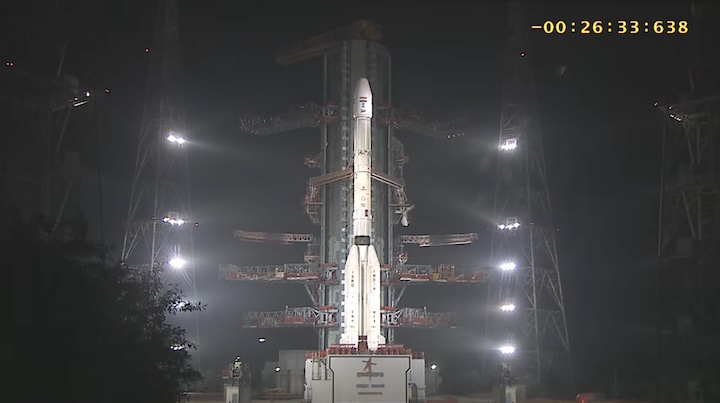
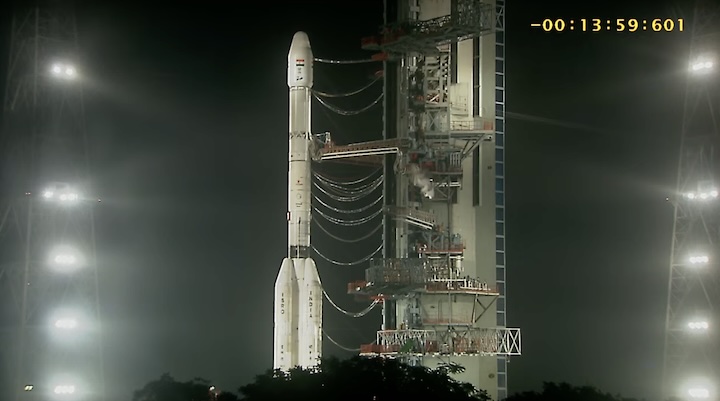
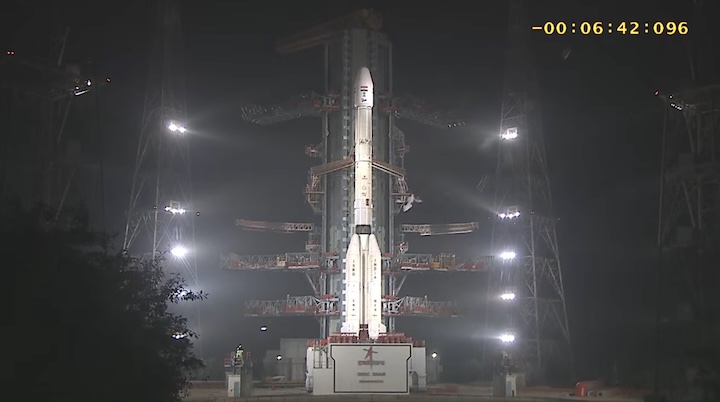
The launch vehicle has been mounted and prepared for liftoff from Sriharikota’s second launchpad. The mission will mark the 20th flight of the GSLV-F18 vehicle, according to the information provided by ISRO.
NVS-03 to carry indigenous atomic clock
The satellite will carry an indigenous atomic clock alongside procured atomic clocks. It will also incorporate the L1 frequency band in addition to the existing L5 and S signals, expanding the capabilities of India’s navigation services.
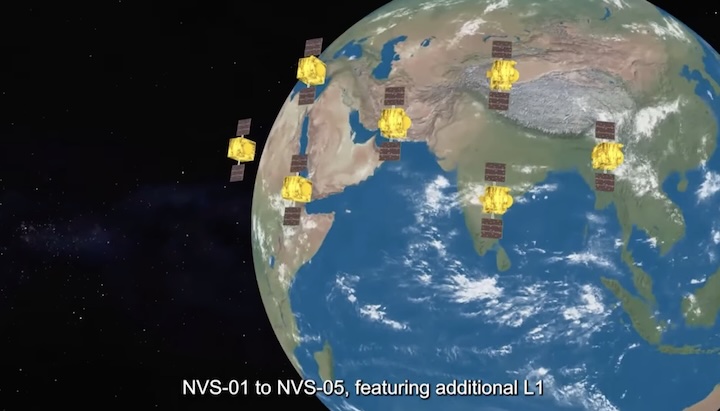
ISRO has planned five second-generation NavIC satellites, NVS-01, NVS-02, NVS-03, NVS-04 and NVS-05, to strengthen the existing constellation and maintain continuity of services. The addition of L1 signals is intended to broaden the range of navigation services available to users.
NVS-01, the first satellite in the series, was launched aboard GSLV-F12 on May 29, 2023. It was the first mission to carry an indigenous atomic clock.
NavIC provides two types of services: Standard Positioning Service (SPS) for civilian users and Restricted Service (RS). The system delivers Position, Velocity and Timing (PVT) information to users in India and the surrounding region.
Why did the NVS-02 mission fail?
The upcoming launch follows the unsuccessful attempt to place NVS-02 in its intended orbit in January 2025. The satellite was launched aboard GSLV-F15, but the mission encountered a problem during the orbit-raising phase.
An analysis of the failure found that the drive signal was not delivered to the oxidiser-line pyro valve of the engine. The engine was required to raise the satellite from an elliptical orbit to a circular one.
ISRO is planning the NVS-03 mission after corrective measures were recommended by the Apex Committee that examined the NVS-02 mission’s shortcomings.
The launch is part of India’s effort to strengthen NavIC, its independent regional navigation satellite system, and ensure the continued availability of navigation services across its primary coverage area.
Quelle: Financial Express
----
Update: 30.10.2026
.
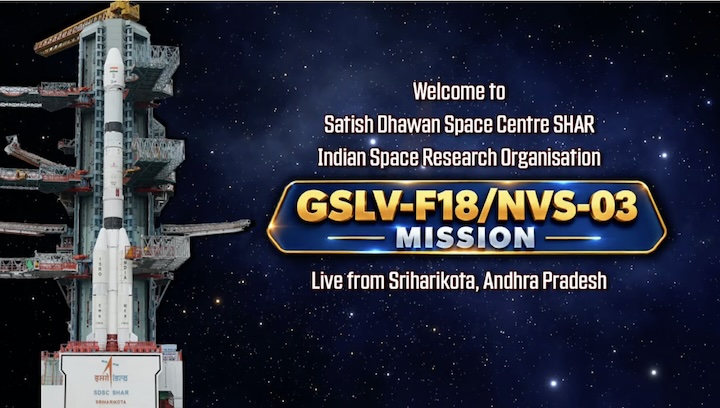
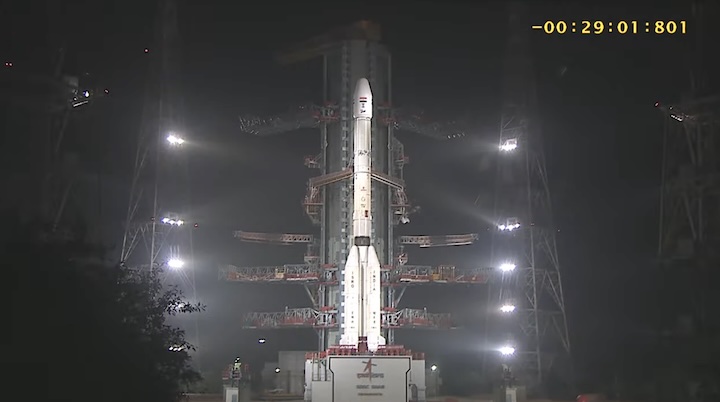
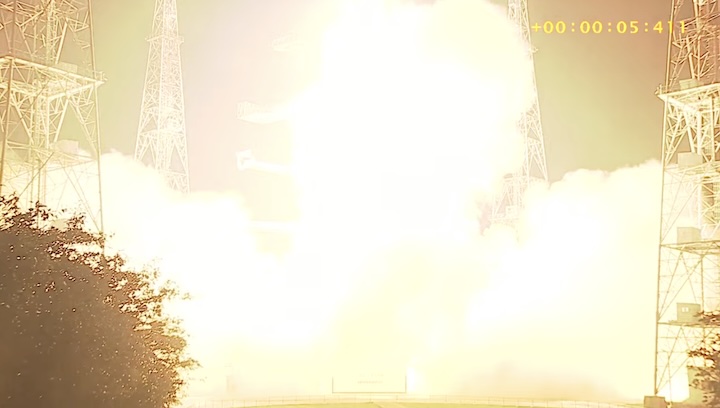
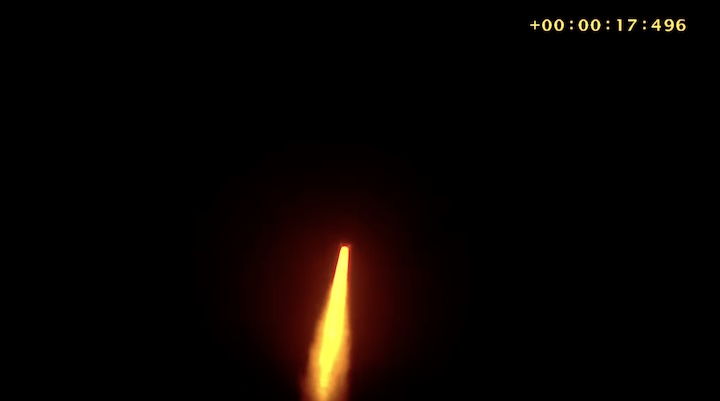
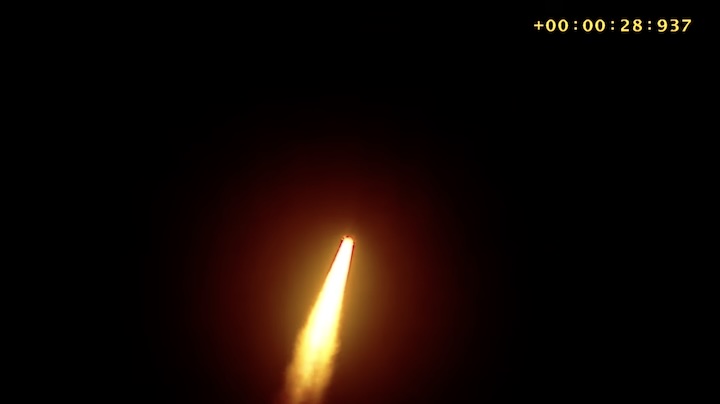
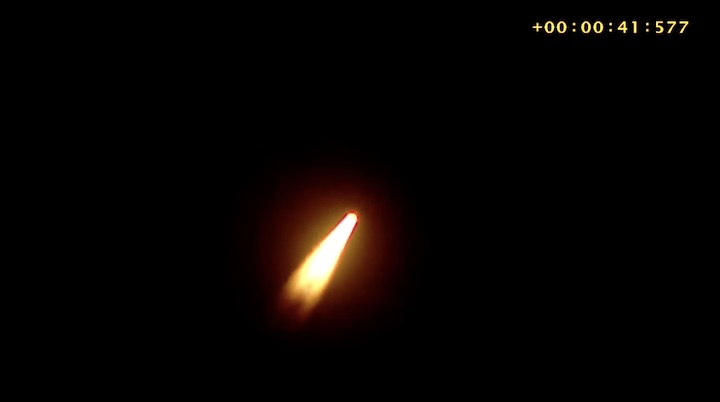
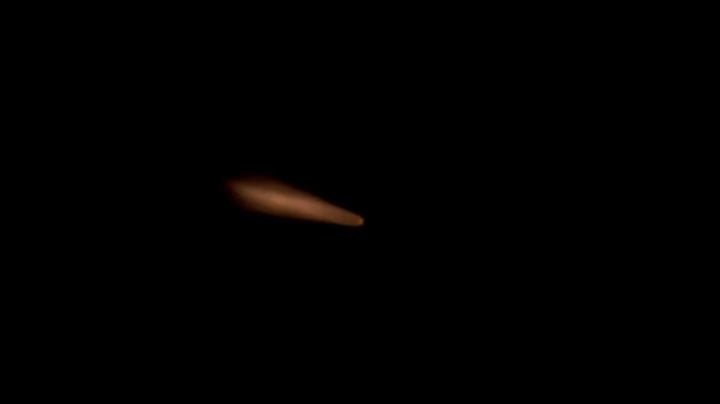
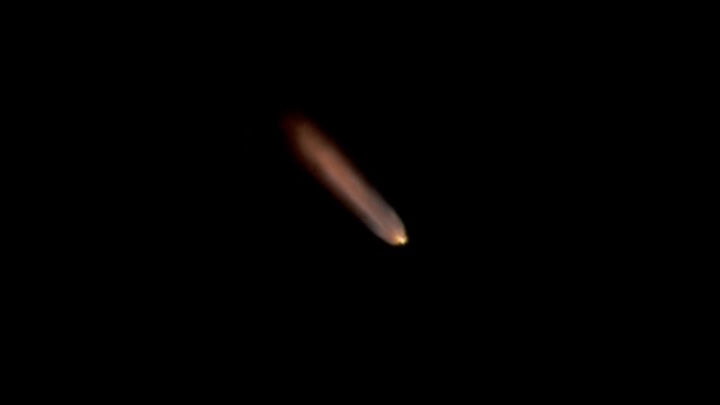
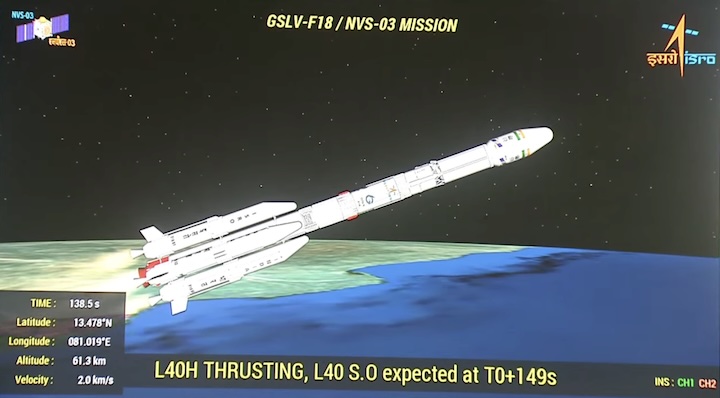
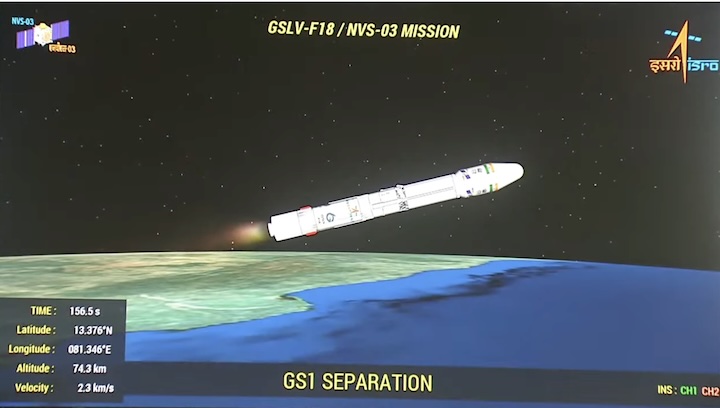
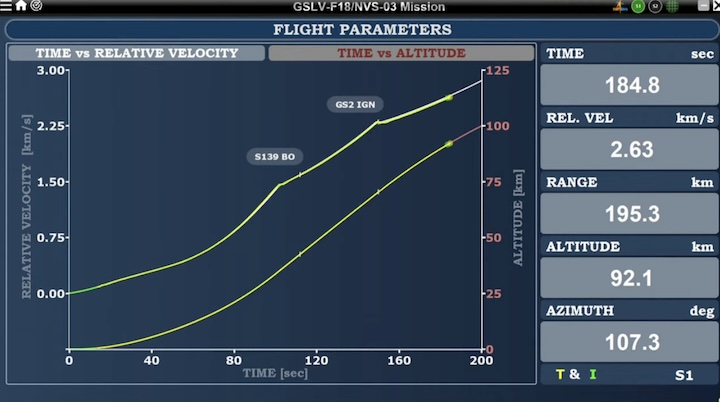
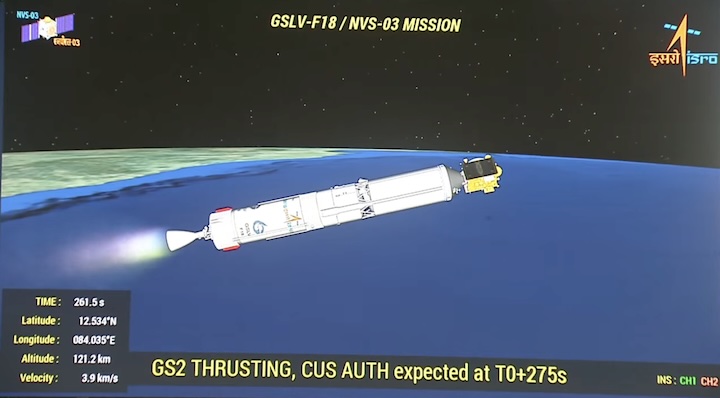
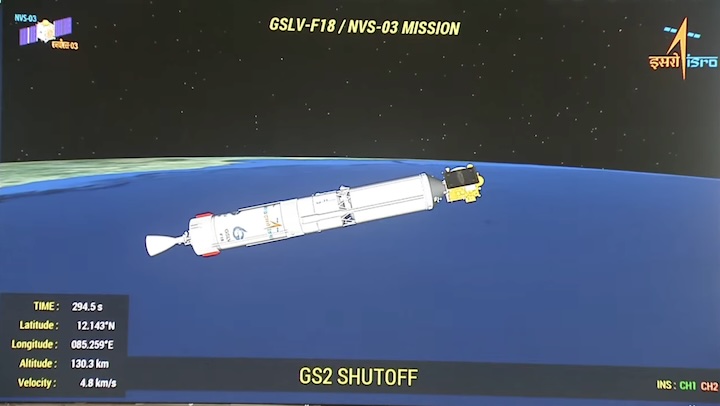
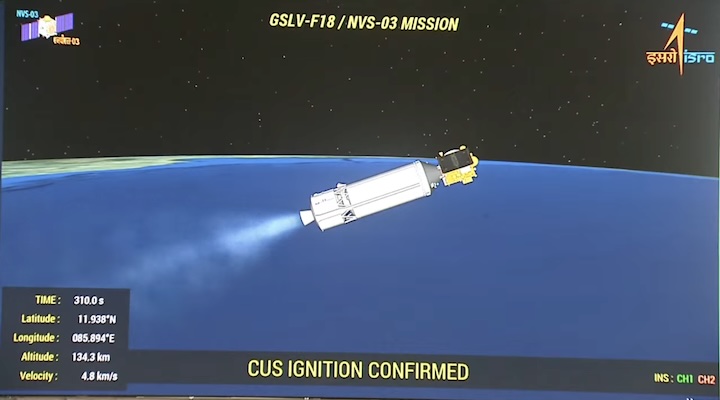
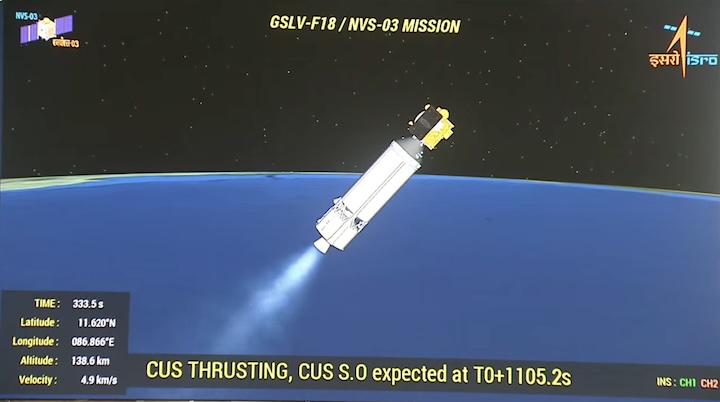
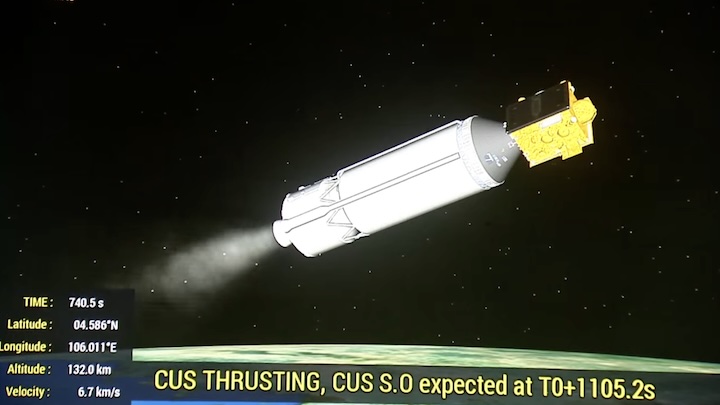
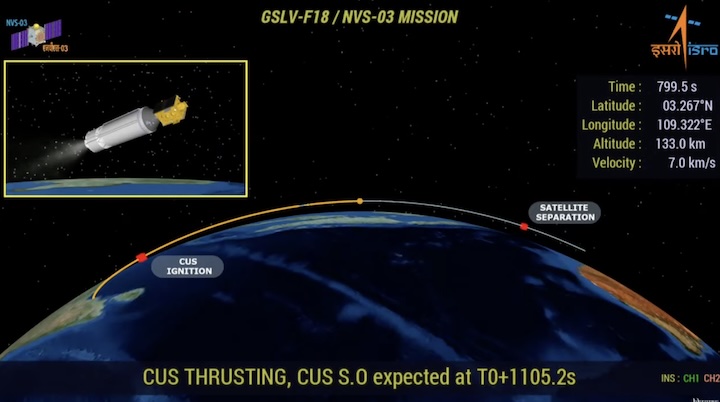
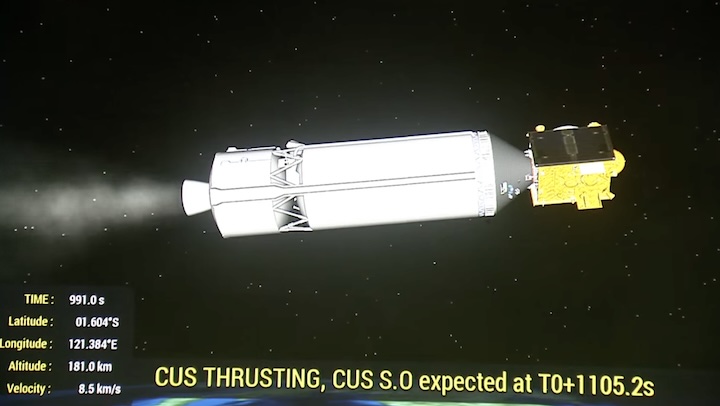
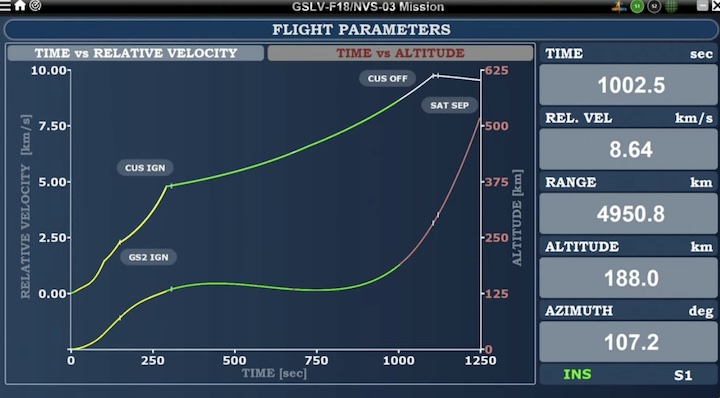
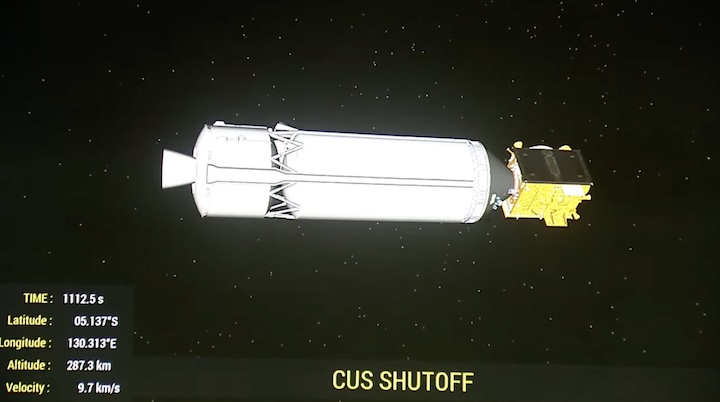
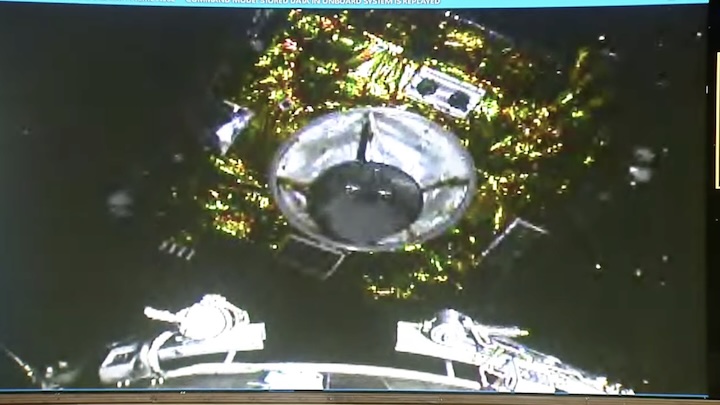
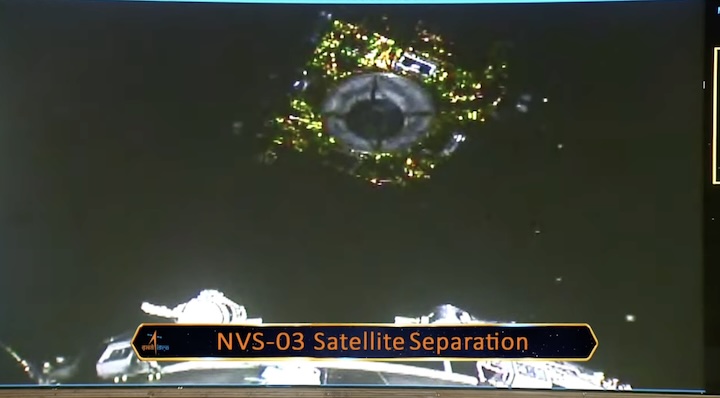
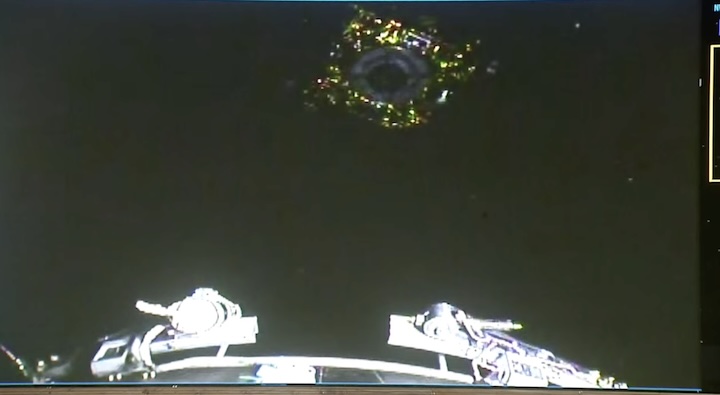
GSLV-F18 has successfully placed NVS-03 in the intended orbit.


Quelle: ISRO