
26.04.2026
TEST LIKE YOU FLY
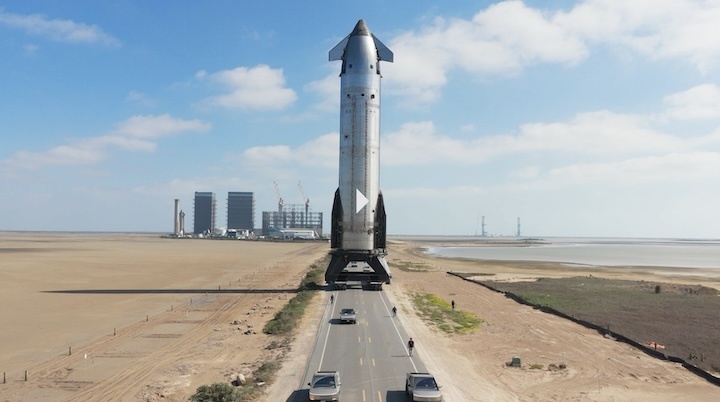
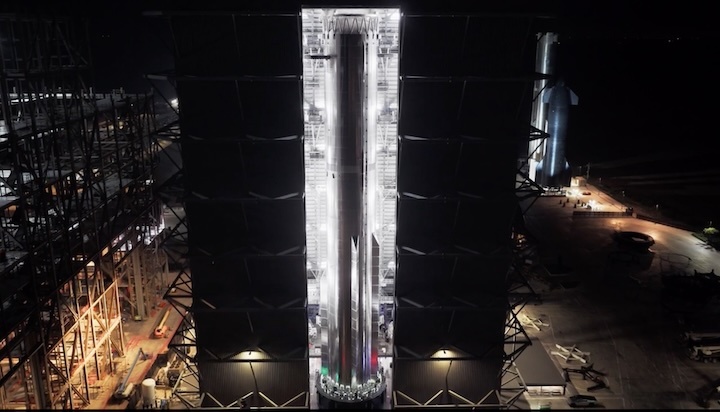
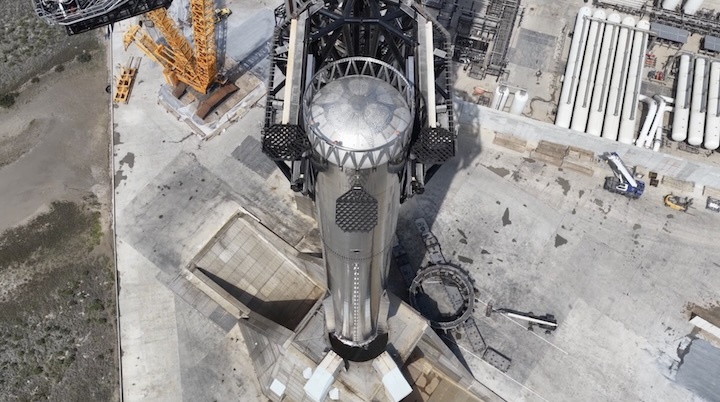
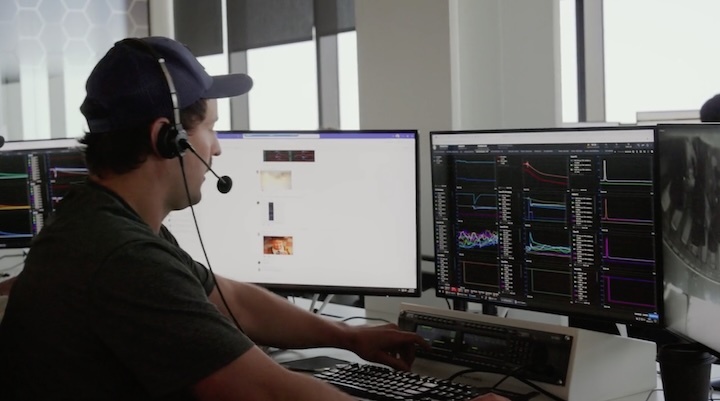
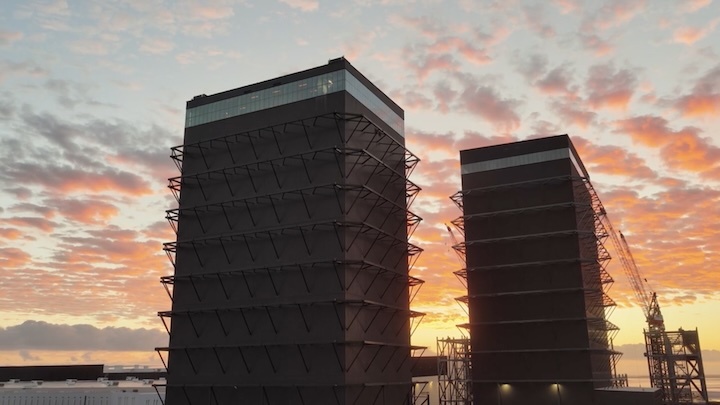
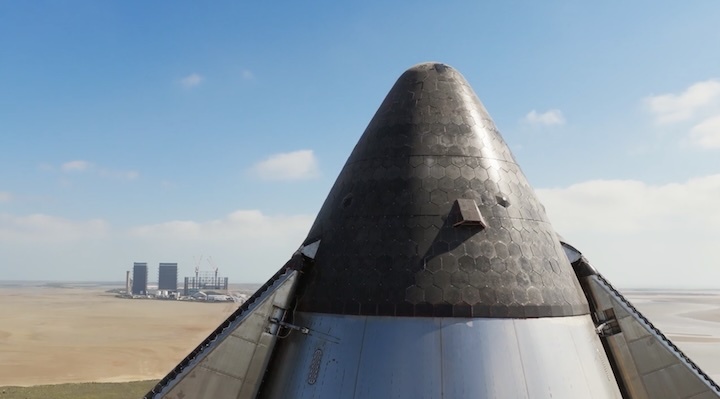
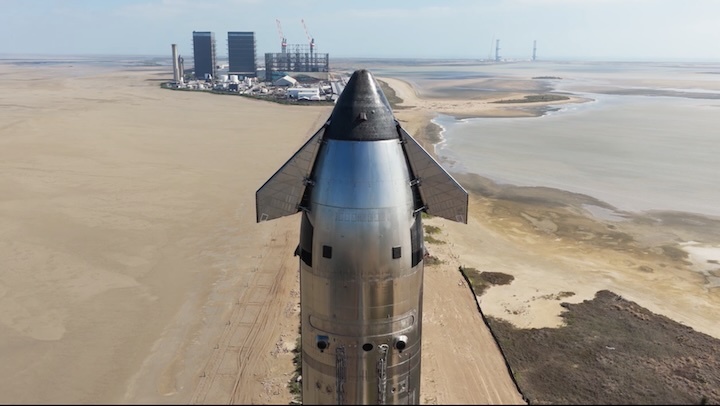
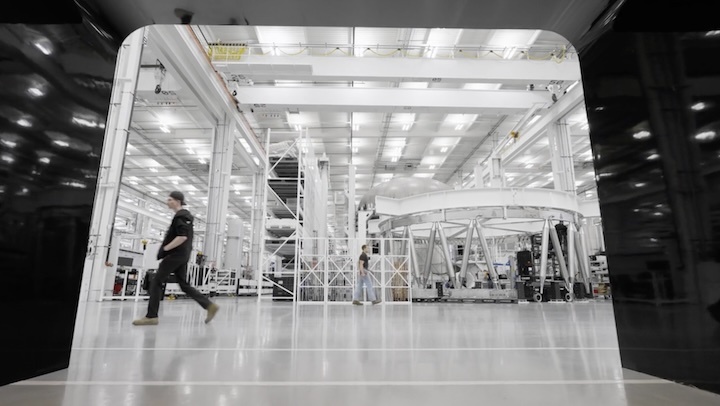
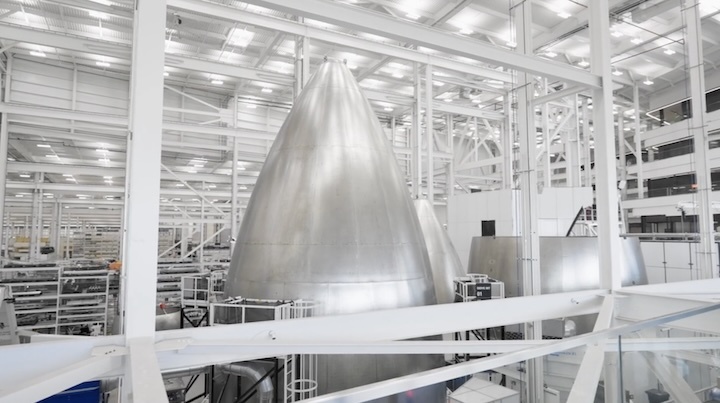
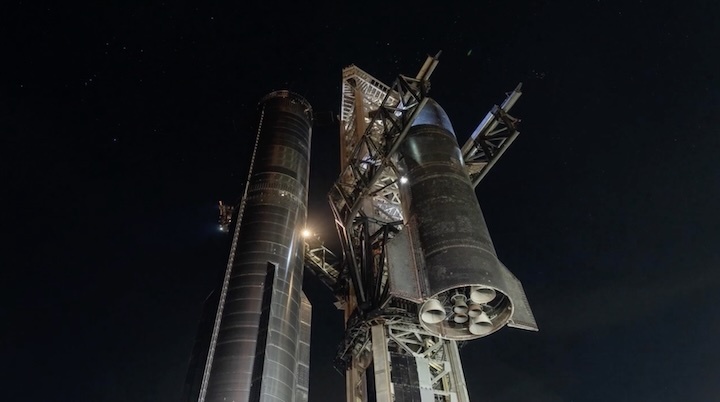
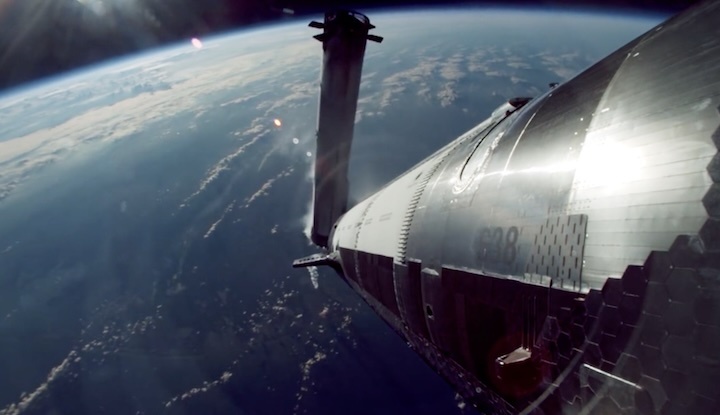
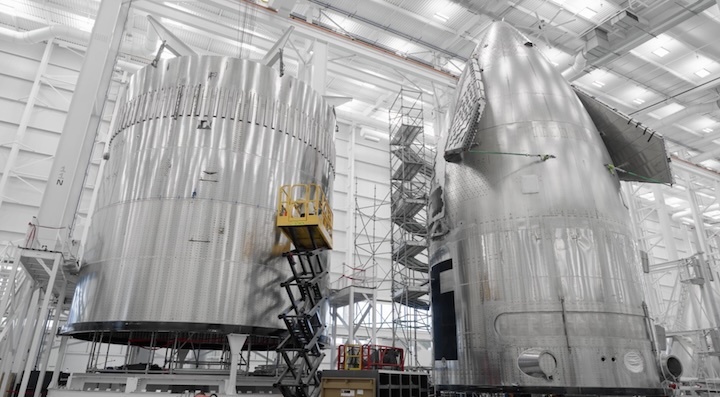
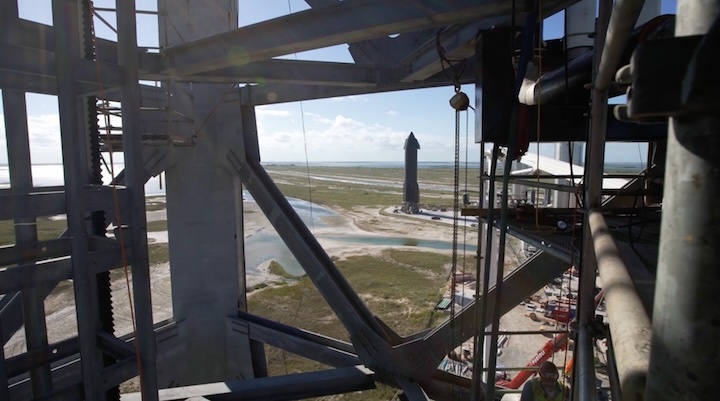
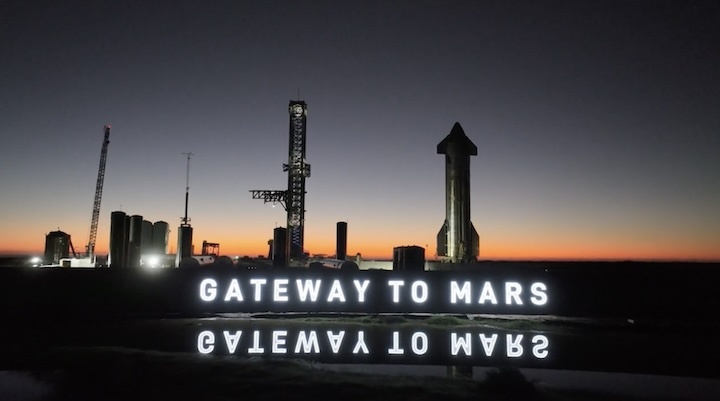
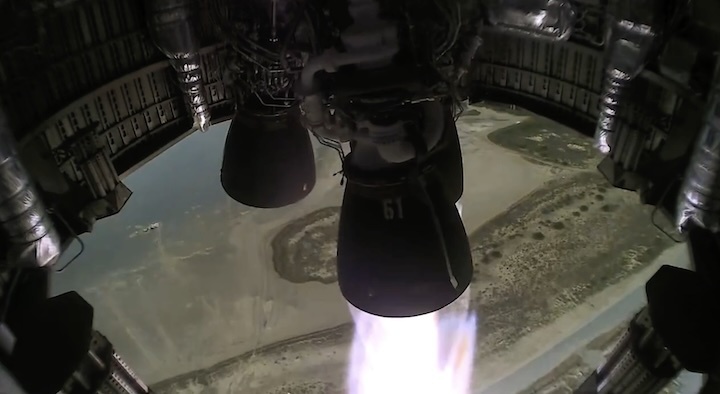
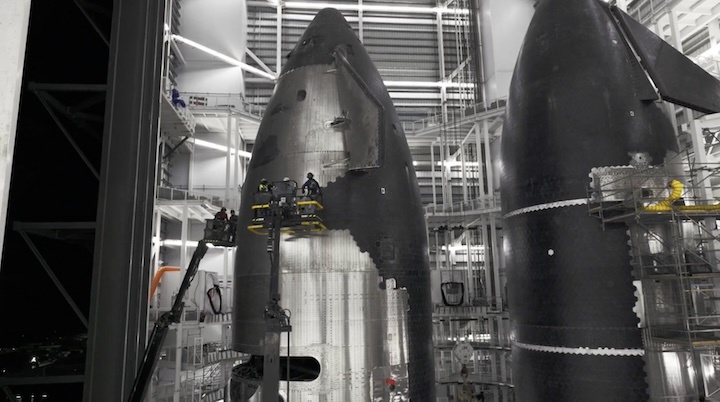
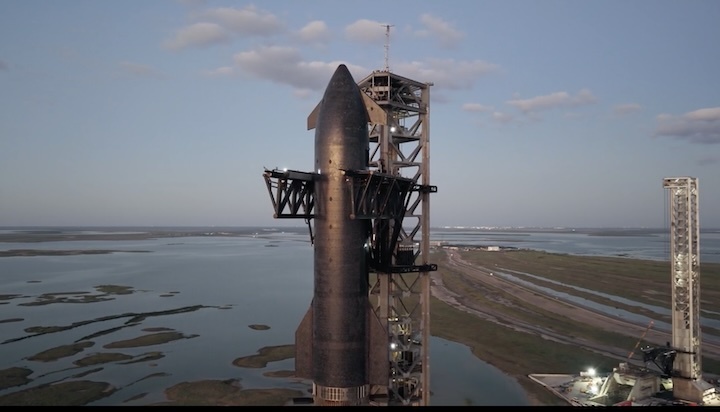
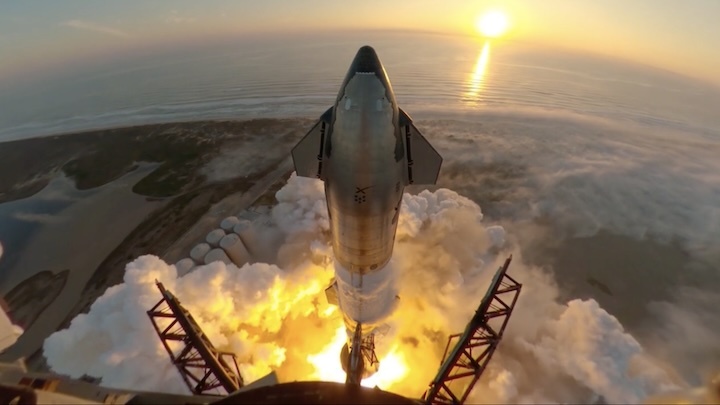
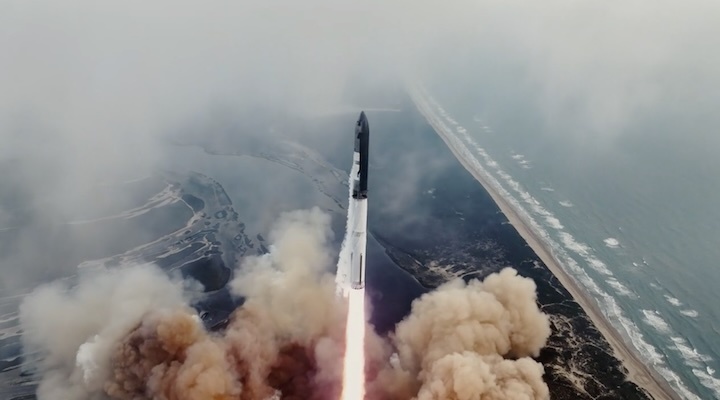
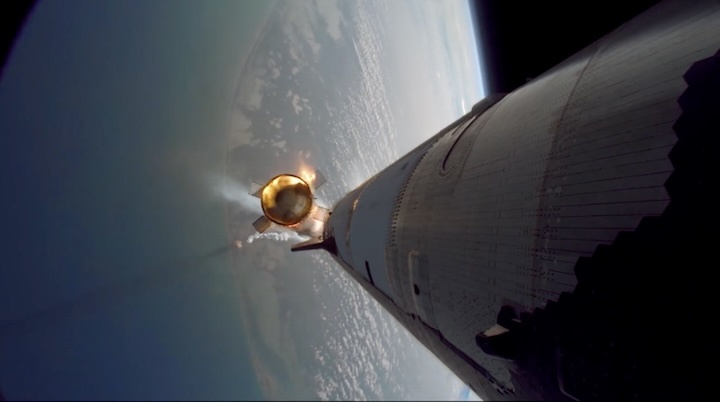
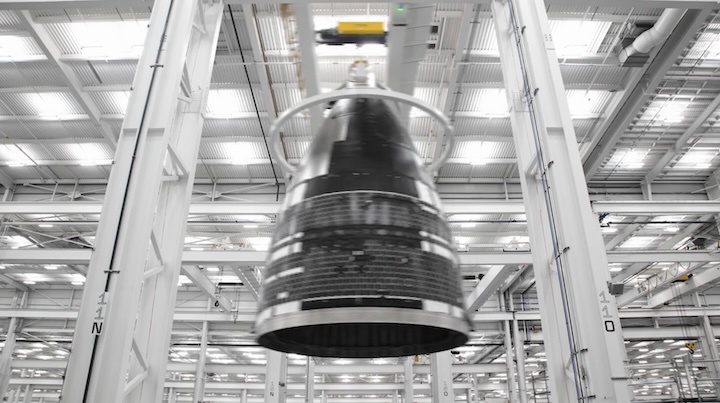
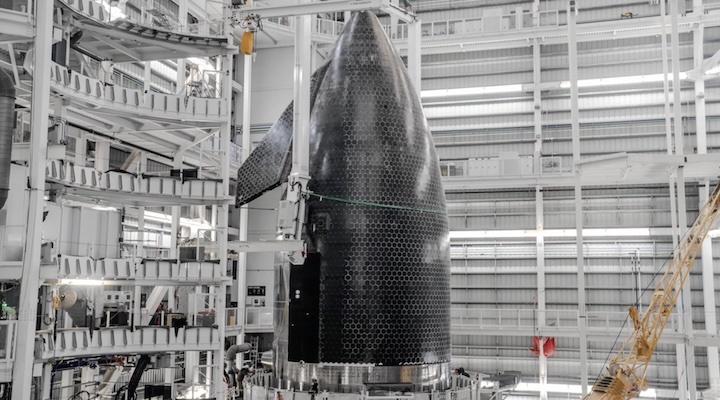
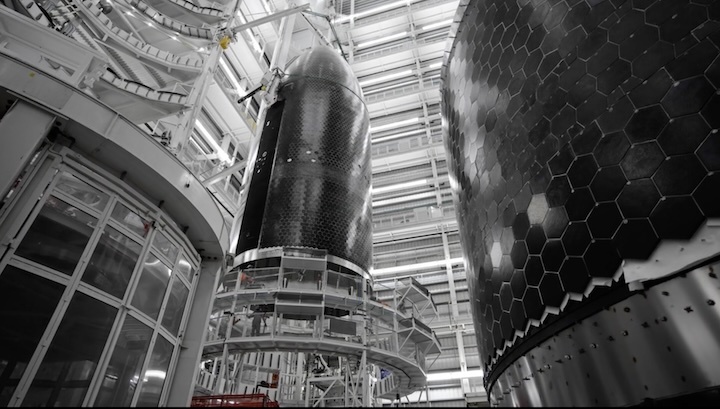
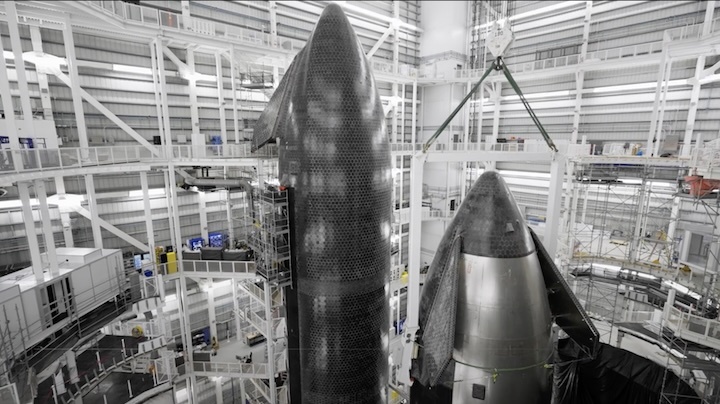
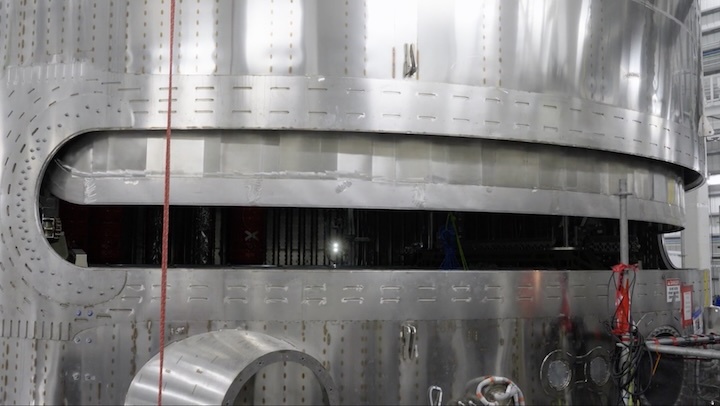
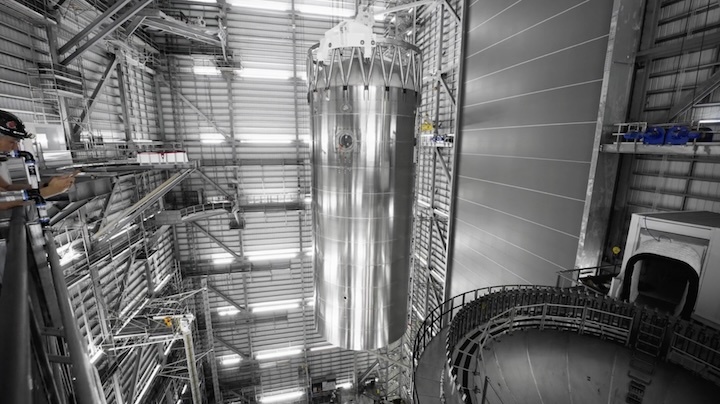
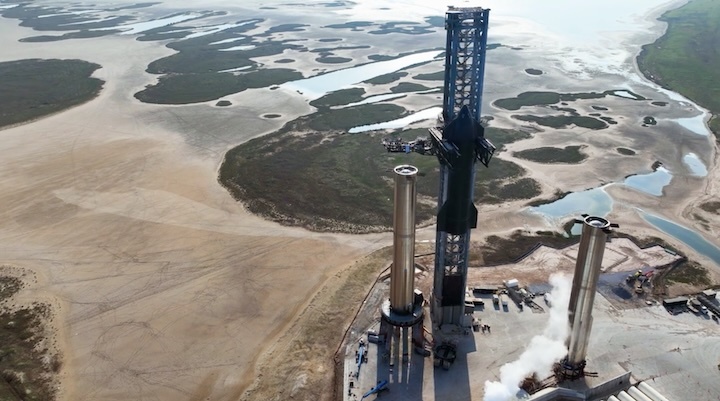
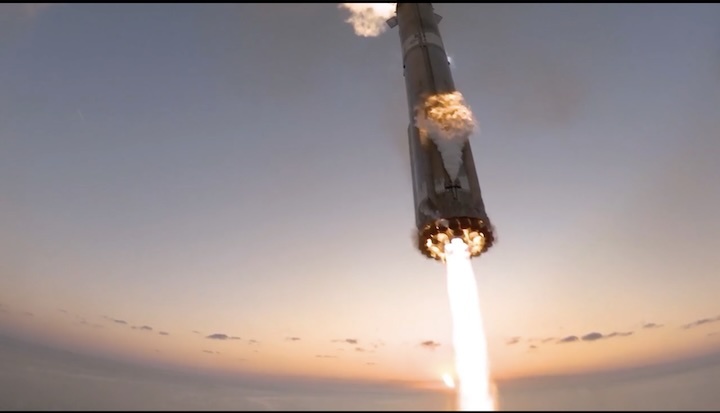
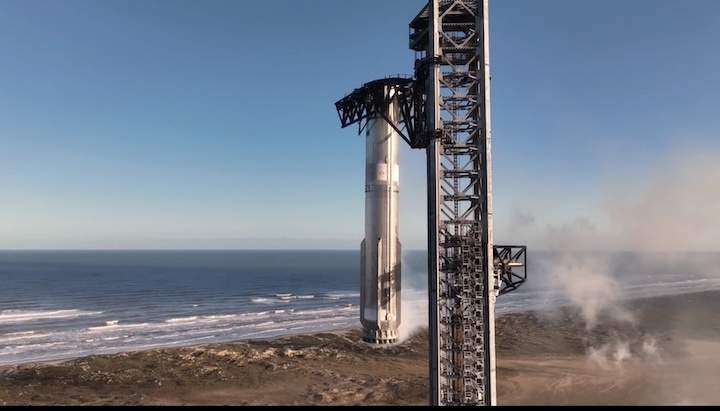
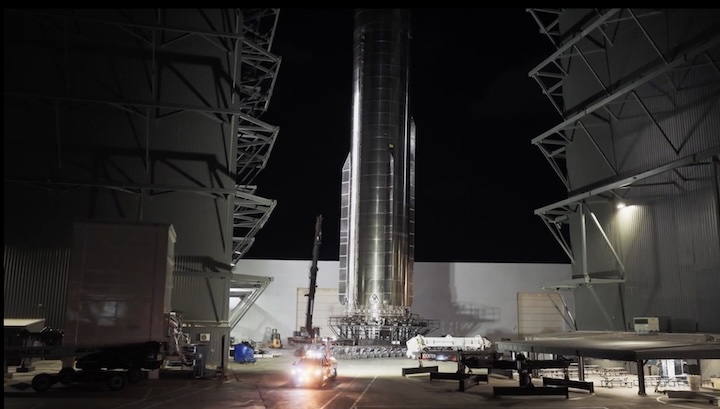
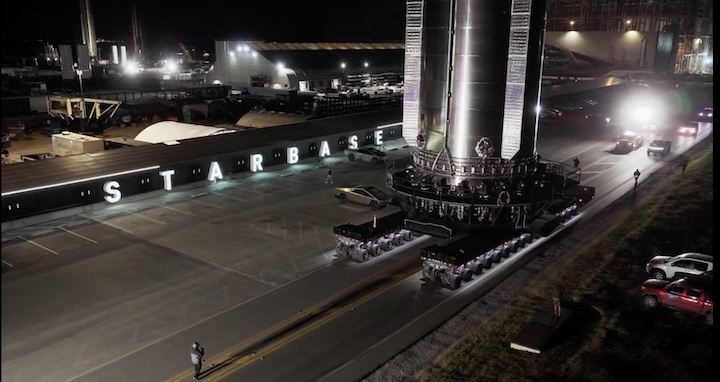
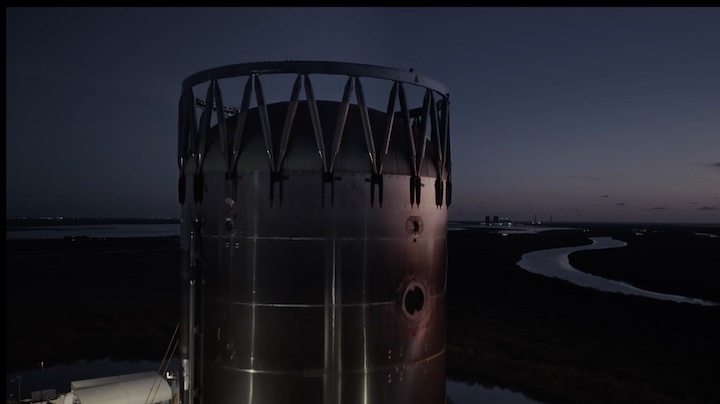
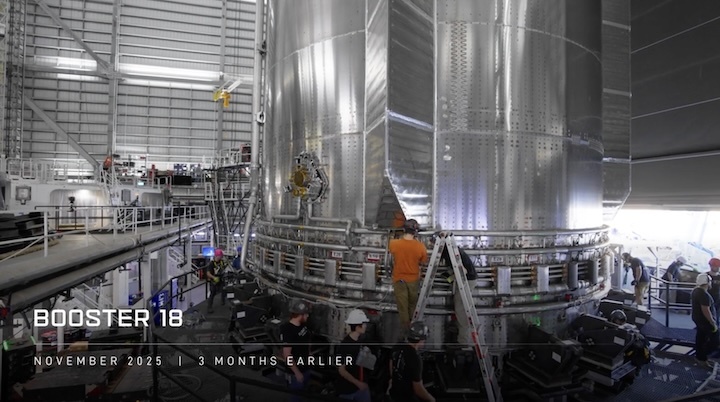
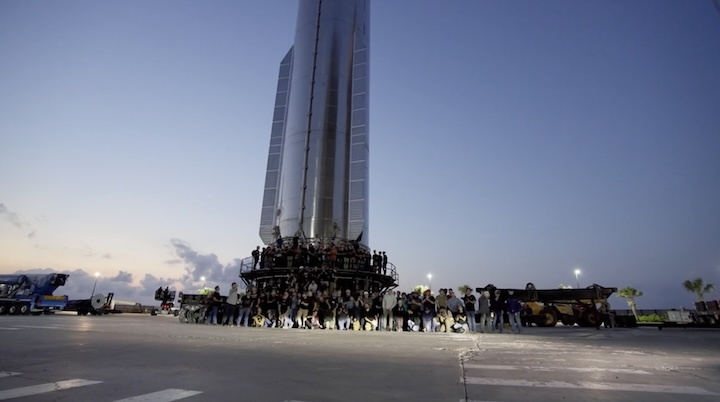
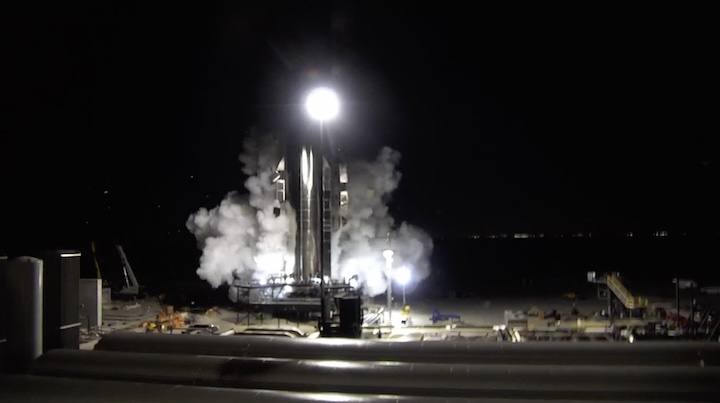
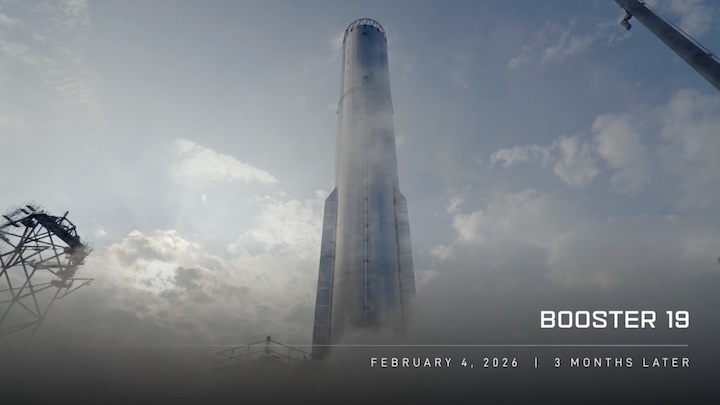
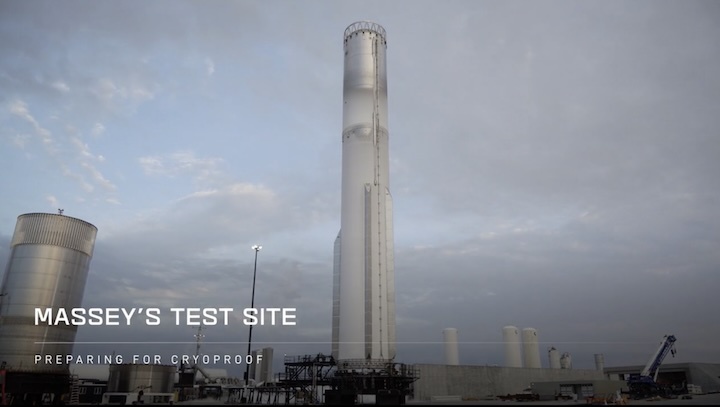
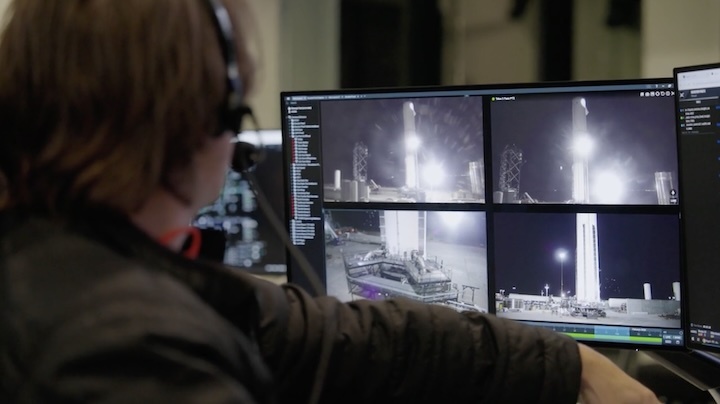
Three years since the first flight of Starship, the next generation is here. New ship. New booster. New engines. New pad and new test site. SpaceX engineers are working to solve one of the most difficult engineering challenges in history: developing a fully, rapidly reusable rocket. “Test Like You Fly” launches a series that takes you inside the factories and onto the launch pads where humanity's future in space is unfolding.



Quelle: SpaceX
----
Update: 2.05.2026
.
SpaceX details Starship V3 changes and hardware bottlenecks ahead of flight 12
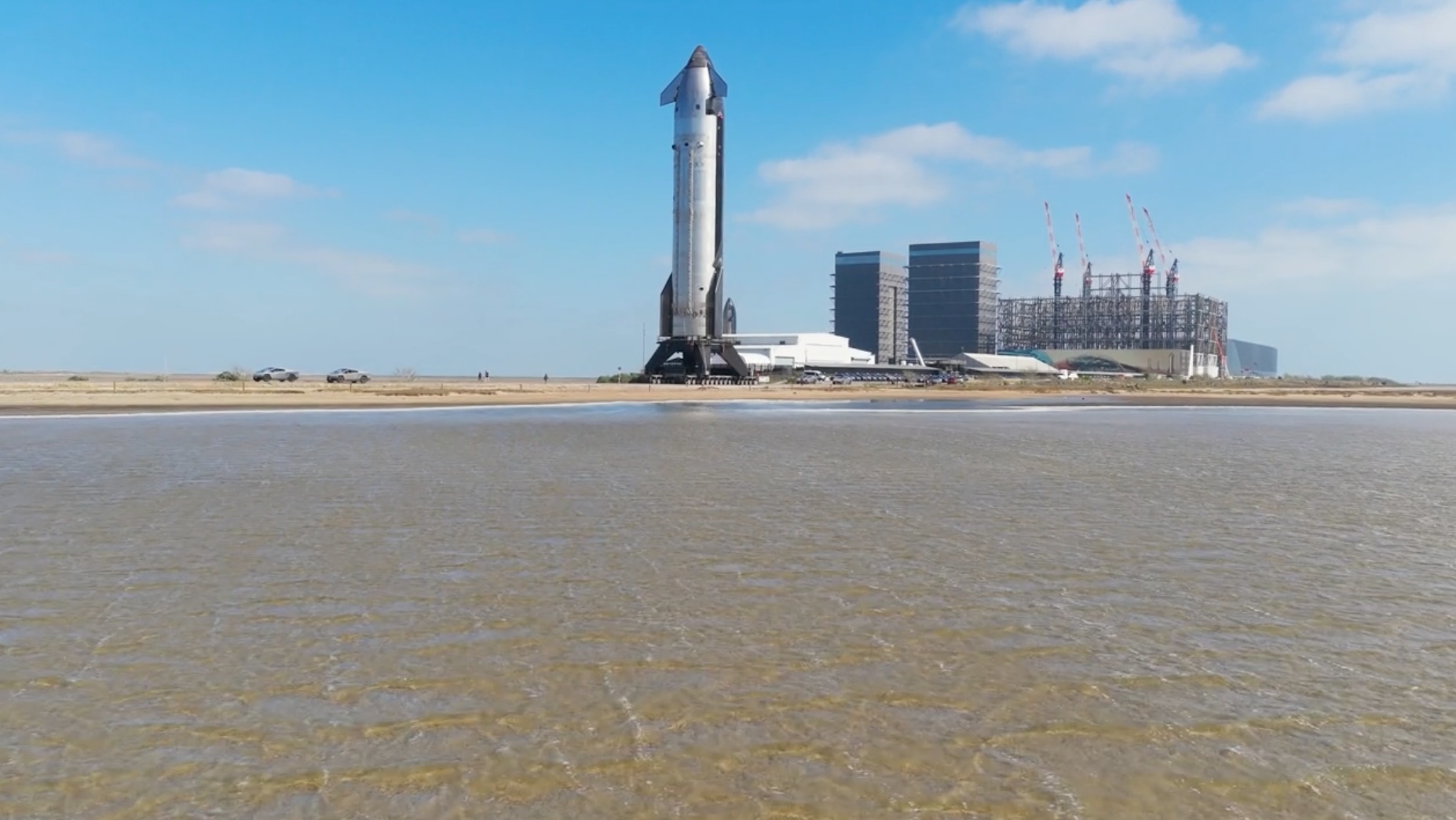
SpaceX details Starship V3 changes and hardware bottlenecks ahead of flight 12. Credit: SpaceX
With the successful conclusion of the Artemis II mission, all eyes are now turning towards SpaceX and their long-in-development Starship spacecraft and Super Heavy booster.
The company is quickly becoming one of the most important government contractors in the United States; even aside from its crucial role of its Falcon rockets for satellite, spacecraft and astronaut launch, its Starlink satellite network is becoming vital for travellers, passengers, and military personnel around the world.
It’s become enough of a fixture that several of Elon Musk’s other companies, xAI and the X.com social network, were placed under SpaceX’s banner, and its upcoming IPO could become one of the most lucrative in history.
But much of it hinges on Starship.
Starship’s critical role
Finishing Starship is absolutely vital to the future of SpaceX. Not only because it will be able to carry the larger and more capable V3 satellites that the Starlink network needs to deal with growing demand, but because Starship is going to be the foundation of SpaceX’s Human Landing System (HLS), which is likely to be used on future Artemis missions to the lunar surface.
With the apparent suspension of the Lunar Gateway station and the shift towards establishing a presence on the lunar surface instead of lunar orbit, a working and reliable HLS is absolutely paramount for the future of Artemis. SpaceX will need to demonstrate that its Starship-derived HLS is up to the job—especially now that the company faces mounting pressure from Blue Origin’s competing Blue Moon lander, which NASA selected to provide a secondary, redundant path to the lunar surface.
It also needs to demonstrate to the broader market that Starship can deliver on SpaceX’s broader ambitions to build a new low Earth Orbit (LEO) economy where launch becomes common, fast, and (comparatively) cheap.
Getting Starship into orbit reliably is paramount, but it is now seen as very much behind schedule, with critics pointing to the frequent and spectacular “rapid unscheduled disassembly” (RUD) events that have happened during many (if not most) Starship tests.
SpaceX learns from all these tests, RUD or not, and this process of constant iteration is part of SpaceX’s strategy. But this may still become disruptive to an IPO that’s already up against the prominent IPOs of AI giants OpenAI and Anthropic.
“Test Like You Fly”
Nevertheless, SpaceX is continuing to move on, and has slowly revealed their V3 Starship and Heavy Booster, which will be the model they’re testing going forward.
At the same time, SpaceX is attempting to recenter the discourse on the Starship, with the release of their new series on videos on Starship, how it’s produced and tested, and what new things the V3 rockets and boosters are bringing to the table.
Their first video, “Test Like You Fly”, was released last Friday, and is available on both SpaceX’s website and (now) on YouTube. It’s a glossy, high-production affair about the development and testing of Starship, with plenty of arresting visuals of the Starship rockets and the people building and testing them. It also highlights SpaceX’s approach to space: their successes and failures, and some of the changes that they made to the V3 Starship.
At least initially, the Starship program and the previous tests are presented in the best possible light. The tests are largely presented with a strong focus on the successes, instead of the RUD events or mishaps, and one could be forgiven for assuming that SpaceX was going to gloss over the challenges and focus on the successes.
Partway through, however, the tone shifted, as the video began to focus on the challenges and setbacks in their approach. They showed arresting drone footage of Super Heavy Booster 18’s failed cryoproof test last November, where an unspecified anomaly involving the nitrogen system caused the rocket to dramatically RUD in a billowing (though non-explosive) cloud of metal and ice.
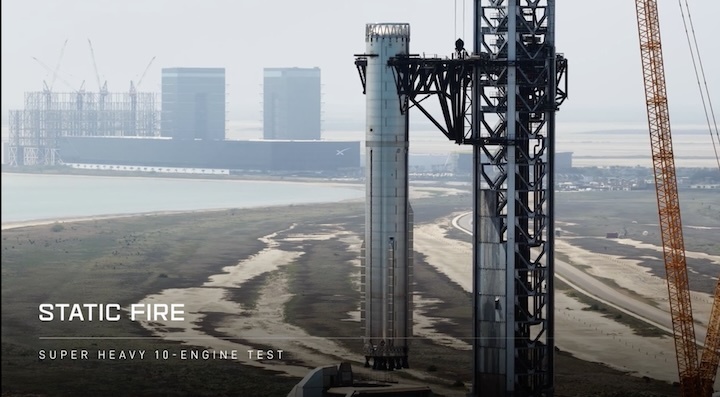
They then showed a successful cryoproofing test of Booster 19, and moved on to footage of various hot-fire tests of different configurations of the Booster’s Raptor rockets. Yet, there too, they were willing to show the setbacks; each of the tests had to be cut short due to sensors tripping in and around the diverter.
The video didn’t say what the issue was; some online speculation has pointed to potential issues with the diverter’s deluge system. “I think every test is always a success…but [this was] definitely a bittersweet day” said Jenna Low, Sr. Manager of Starship Operations, after one of the testing aborts. The data is useful, but the situation is still disappointing.
“Test Like You Fly” also showed footage of the dramatic explosion of Starship 36 in June last year, along with photos and video of the extensive damage done to SpaceX’s Massey Test Site. The damage done was well known, but this video was the first time that viewers can see how truly catastrophic the explosion really was for the test site, and why it took so long to repair Massey’s and make it ready for launch.
Nevertheless, the repairs are done, and the site is once again operational. The video closed with footage of the fully-successful, full-duration test of Starship’s Raptor engines on April 14th, presenting Massey’s with somewhat of a redemption arc, before saying “On to Test 12”.
Version 3 changes
Aside from the testing, the video also provides some new information on exactly how this new Version 3 of Starship is different, and why they feel confident that it will be the version that reaches orbit and (perhaps) moves to production.
The best-known change is to the Starship’s enormous Raptor engines. Like many companies in the space sector, including Canada’s own Reaction Dynamics, the Raptor V3 is largely 3D-printed. That has given them the opportunity to remove a lot of the external plumbing and integrate it into the engine itself, allowing for the addition of regenerative cooling channels and for extensive simplification of the engine.
The simplification has allowed SpaceX to dramatically reduce the weight of the Raptor and increase its thrust efficiency, as well as making the engine look visibly (and surprisingly) simple from the outside. The changes have even allowed for them to remove the Raptors’ heat shield, further reducing the weight.
Jacob McKenzie, VP Raptor, said that “it’s fewer parts, so it’s cheaper [and] faster to build, which allows us to make a lighter and more reliable vehicle”. “The goal”, McKenzie said, “is to get it to behave similarly to the engines on commercial airplanes”.
As to the Starship and Super Heavy, they’ve also had a number of improvements. Charlie Cox, Director of Starship Engineering, said that it was a “clean sheet design”, based on understanding the lessons of the previous versions and resolving snags and shortcomings that had been revealed in previous testing. Part of that includes new shielding tile geometry and new processes for adding the tiles, as well as integrating the propellant transfer hardware that will allow custom Starships to serve as orbital fuel depots for future missions, including Artemis.
The refinements also mean that the V3 Starship is lighter and simpler than its predecessors, much like the Raptors.
The Booster is also somewhat taller; part of that appears to be due to changes to the hot staging ring that connects the Starship to the Booster, but it also appears to be due to a lengthened propellant section that allows for the Booster to have more propellant, including a larger liquid oxygen header tank. That increase in propellant, along with changes to the V3 vehicles’ structure, has also dramatically increased the payload of the V3 Starship from 35 metric tons to 100 metric tons, with a potentially higher payload for missions that use an expendable Starship.
Upcoming Starship tests
“Test Like You Fly” ended with a title card saying: “Next Up: Flight 12”. Flight 12 and Flight 13 might be coming comparatively soon. Flight 12 will apparently be suborbital, like previous Starship tests, but Flight 13 is likely to be their first serious attempt to put a V3 Starship into a sustained orbit to test complex operations like in-space refueling. It may also be the first time that the Starship upper stage returns to be caught by SpaceX’s famous “chopsticks”—matching the historic booster catch achieved back in 2024—though that will probably have to wait until Flight 14.
The issues revealed in the video may delay things—particularly if they involve the complex water deluge system—but it’s likely that the test will happen in the coming weeks, with Flight 13 happening not too long after that.
The aborts shown in the video appear to have done some damage to the engines, however, which may also affect the schedule. The video revealed that the abort of the 10-engine test did enough damage to the Raptors during the emergency shutdown that SpaceX engineers had to scavenge Raptors from Booster 20 to add to Booster 19.
Even if the full 33-Raptor test and shutdown didn’t do any damage to the Raptors on Booster 19, delaying Flight 12, there may not yet be enough available Raptors for Booster 20 and Flight 13. That will likely cause delays.
Still, with production of the new engines and V3 vehicles ramping up, the delay may not be as long as one would expect. Assuming they resolve the issues that cropped up during the live fire test, both of the Starship tests may happen sometime in Q2 of 2026, though it’s possible that Flight 13 will slip into Q3.
Quelle: spaceQ
----
Update: 14.05.2026
.
SpaceX's Starship V3 megarocket finally has a debut launch date. Here's when it will fly
Liftoff will occur at 6:30 p.m. ET on Tuesday (May 19), if all goes to plan.
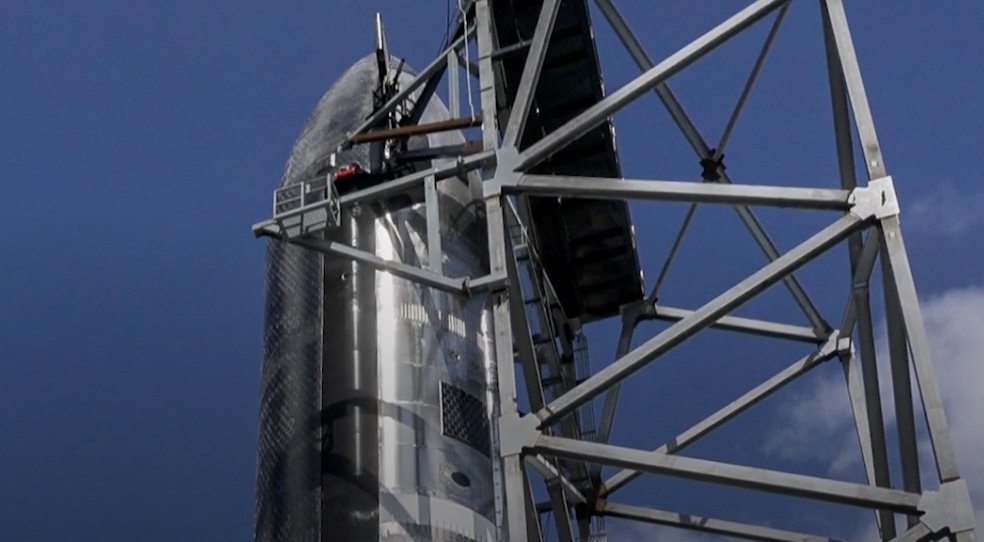
SpaceX's advanced new Starship megarocket will fly for the first time a week from today, if all goes to plan.
SpaceX is targeting May 19 for the debut launch of its Starship V3 (Version 3), a bigger and more capable vehicle that could help humanity take its first steps on the moon and Mars, the company announced Tuesday (May 12).
The rocket will lift off from SpaceX's Starbase site in South Texas on May 19 during a 90-minute window that opens at 6:30 p.m. EDT (2230 GMT; 5:30 p.m. local Texas time). You'll be able to watch it live here at Space.com when the time comes.
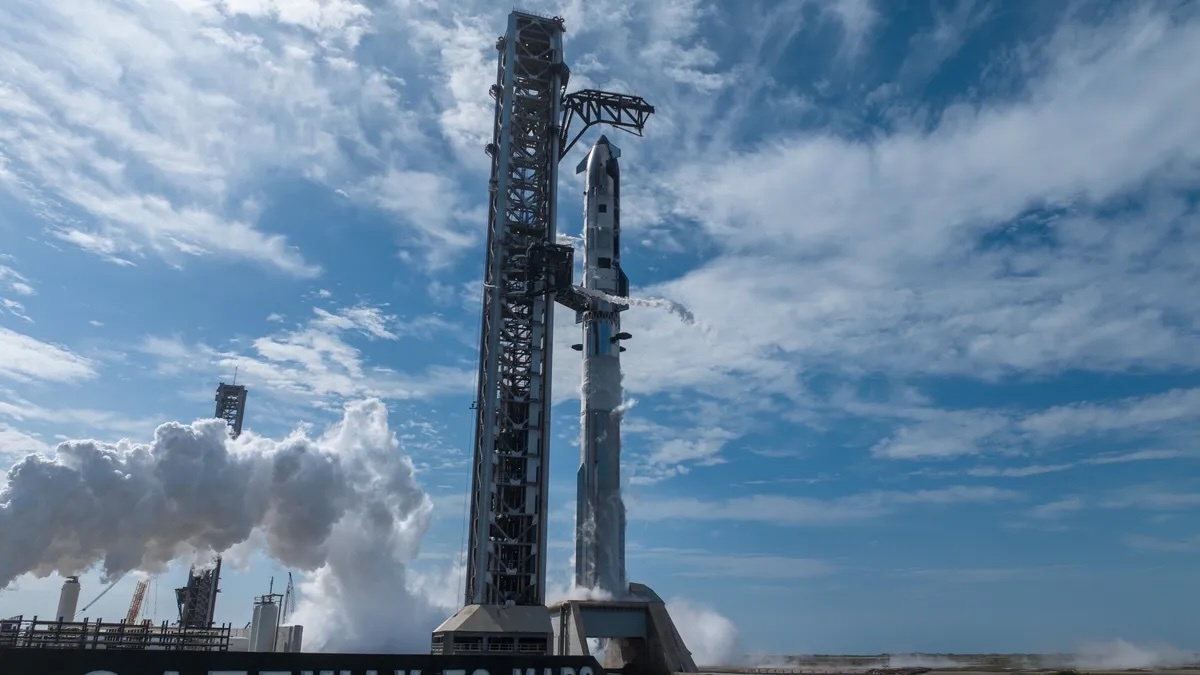
SpaceX conducts a launch rehearsal with its first Starship V3 megarocket at its Starbase site in South Texas on May 11, 2026. (Image credit: SpaceX)
This will be the 12th flight overall for Starship, the biggest and most powerful rocket ever built. But it will be the first for Starship V3, which SpaceX says boasts many improvements over its predecessors.
For example, the V3 Super Heavy first stage now has three grid fins — lattice-like structures that help the booster steer its way back to Earthfor recovery and reuse — instead of the original four. And each fin is now 50% larger and significantly stronger, according to SpaceX.
"These fins include a new catch point and have been re-clocked on the booster to support vehicle lift and catch operations," the company wrote in an update today. "They have also been lowered to reduce heat exposure from Starship’s engines during hot-staging."
SpaceX made many other modifications to Super Heavy as well. For example, the "hot stage" that joins the booster to the Ship upper stage is now integrated into Super Heavy and will not be discarded during flight.
In addition, Super Heavy's "fuel transfer tube, which channels cryogenic fuel from the main tank to the 33 Raptor engines, has been completely redesigned and is now roughly the size of a Falcon 9 first stage," SpaceX wrote. "This new design enables all 33 engines to start up simultaneously and faster, more reliable flip maneuvers."
Ship has been altered significantly as well. For instance, V3 features a "clean-sheet redesign of its propulsion system" — changes that "enable a new Raptor startup method, increase propellant tank volume, and improve the reaction control system used for steering while in flight," according to SpaceX. "The propulsion updates also reduce contained volumes in the aft end of the vehicle that could trap propellant leakage."
The new upper stage also sports "propellant feed connections" to support off-Earth fuel transfer — an activity that each Starship will have to perform multiple times on deep-space missions.
V3 Starship is powered by the V3 Raptor, which is more powerful than previous iterations. And the coming maiden launch will also mark the debut of Starbase's Pad 2, which can fuel Starship faster and sports shorter booster-catching "chopsticks," among other modifications.
"Together, these new elements are designed to enable a step-change in Starship capabilities and aim to unlock the vehicle’s core functions, including full and rapid reuse, in-space propellant transfer, deployment of Starlink satellites and orbital data centers, and the ability to send people and cargo to the moon and Mars," SpaceX wrote in the update.
Despite all of these changes, Starship Flight 12 will be broadly similar to its predecessors, according to a mission description that SpaceX posted today.
It will send Ship eastward on a suborbital trajectory. About 17.5 minutes after liftoff, the spacecraft will begin deploying 22 dummy Starlink V2 satellites, an activity that will wrap up about 10 minutes later. The last two of those dummy craft will collect imagery of Ship's heat shield, to inform the development of future missions. Ship will also relight one of its six Raptor engines in space — something it will need to do on operational flights.
If all goes to plan, Ship will splash down about 65 minutes after launch (presumably in the Indian Ocean off the coast of Western Australia, as has been the norm).
Super Heavy, meanwhile, will steer itself to a soft splashdown in the Gulf of Mexico about seven minutes after launch. "As this is the first flight test of a significantly redesigned vehicle, the booster will not attempt a return to the launch site for catch," SpaceX wrote in the mission description, referring to a bold maneuver that Super Heavy has pulled off on multiple previous flights.
Anticipation is high for Flight 12, and not just because of all the upgrades that will see their first-ever action on the launch. Starship hasn't flown since October 2025, on a test flight that went entirely according to plan.
Quelle: SC
----
Update: 20.05.2026
.
SpaceX's Starship V3 set to launch from Texas. What it means for Florida.
SpaceX has postponed this Starship launch until no earlier than May 21. This article has been updated with a change in the launch date and time.
SpaceX is getting ready to launch the first of its redesigned Starshipfrom its Texas base and all eyes are on this flight as the massive rocket could potentially launch from Cape Canaveral by year's end.
Currently, the Starship launch is set for no earlier than 6:30 p.m. Thursday, May 21 from Starbase, Texas, an area east of Brownsville. It will be the 12th launch overall of the fully stacked Starship and the first of this new Version 3 (V3).
For SpaceX, it's all about getting back to the moon — and eventually to Mars. The 407-foot-tall launch system needs to meet many goals before it can act as a lander for NASA’s Artemis Program. The upper stage, referred to as ship, must not just reach orbit but eventually refuel in orbit in order travel to the moon.
Once the ship can meet these goals, SpaceX will send a modified version, known as HLS (Human Landing System), to rendezvous with the Orion spacecraft in lunar orbit. It will be there that the astronauts dock Orion with the HLS, transfer over, and land on the lunar surface.
As for this current launch, SpaceX is seeking to ensure its redesigned Starship can meet past goals before pushing it further. This includes monitoring how the ship and booster behave from launch through landing. The company also plans to intentionally stress the heatshield of the ship — by leaving one heatshield tile off — in order to assess performance.
Starship Flight 12 looking for a comeback
SpaceX’s Starship had a rough year during flights from Texas in 2025. Twice the company lost the ship shortly into the flight — a spectacle that was visible over Central Florida.
But then SpaceX made a comeback. The Oct. 2025 Flight 11 recorded numerous wins, including relighting a ship engine in space, deployment of mockup Starlink satellites, and an almost intact ship landing in the Indian Ocean. SpaceX plans to eventually bring the ship back to a launch tower, just as it already does with the Super Heavy booster.
Now with a major redesign, the question to be answered is: ‘Will it work?’
Upgrades to SpaceX Starship V3
The Version 3 of Starship features a sleek redesign of the Super Heavy booster’s 33 Raptor engines. The booster will also sport three larger “grid fins” instead of the four. These “grid fins” are used to steer the booster to a landing.
Also, the “grid fins” now sit lower on the booster. This was done to place them further from the impact of the ship’s engine during stage separation.
This Flight 12 is also occurring from a brand new Texas launch pad known as Pad 2. The launch tower has shorter catch arms, known as "chopsticks”. According to SpaceX, these new arms will move more quickly to track vehicles during catching operations, when another catch is attempted.
SpaceX will not be attempting to return the Super Heavy booster to the launch tower on this flight. Instead, it will seek a controlled landing in the Gulf of Mexico, renamed in the U.S. under executive order as the Gulf of America.
Meanwhile, the ship will coast in space upwards of an hour before a splashdown in the Indian Ocean. While SpaceX has yet to retrieve a fully intact ship, previous flights have come close.
Objectives of this flight mirror what was seen on Flight 10 and 11. This includes the deployment of 20 Starlink simulators from a payload door, testing of the ship’s heatshield, and a relight of an engine in space.
Florida set to see future Starship launch from Cape Canaveral
SpaceX has repeatedly stated that it will only bring Starship to Cape Canaveral when it is ready. With the goal of it coming to Florida this year, that means a lot needs to go right.
As Starship will fly out over the ocean, it’s not the rocket’s performance that worries locals. Residents are worried instead about road closures, noise and air pollution, infrastructure damage, temporary closures at Playalinda Beach and even disrupting industries such as fishing. NASA and the Space Force have already completed environmental assessments, finding no immediate impact.
Expect the 236-foot-tall first stage booster, referred to as Super Heavy, to be delivered to Cape Canaveral via the company’s new drone ship, “You’ll Thank Me Later”. The drone ship has been spotted at Kennedy Space Center and Port Canaveral, recently sporting modifications such as an added cover.
As for the 171-foot-tall ship, it is possible SpaceX will ferry those by drone ships as well. Last month, the company pulled its “Just Read the Instructions” drone ship from supporting Falcon 9 landings off the coast of Florida to support Starship operations. As Starship’s first stage booster, and eventually ship, are aimed at being caught back at launch towers this points toward “Just Read the Instructions” being utilized to transport Starship stages from Texas to Florida.
As for Florida launch pads, SpaceX is wasting no time. The launch site at Kennedy Space Center Pad 39A is nearing completion and the company has already paused its Falcon 9 launches from the nearby pad to focus on Starship operations. Work at Launch Complex 37 in Cape Canaveral Space Force Station has also begun. That site is serving as the second Florida location.
Right down the road at KSC, SpaceX's Gigabay on Roberts Road is deep into construction. The Gigabay is intended for stacking and preparing the 236-foot-tall Super Heavy boosters before launch.
And with "rapid reusability" planned for the Florida and Texas launches, SpaceX has already begun mass producing 1,000 Starship heatshield tiles per day in a facility at the Cape.
Even with all these Florida preparations in place, the timeline of Starship launching from Cape Canaveral likely rides on the results of this upcoming Flight 12. While no official Florida launch date has been provided, the Space Force has stated it is planned by year’s end.
Where to watch SpaceX Starship Flight 12?
SpaceX will live stream the upcoming Flight 12 beginning 45 minutes prior to lift off at SpaceX.com and on X.com.
Quelle: Florida Today
----
Update: 22.05.2026
.
STARSHIP'S TWELFTH FLIGHT TEST
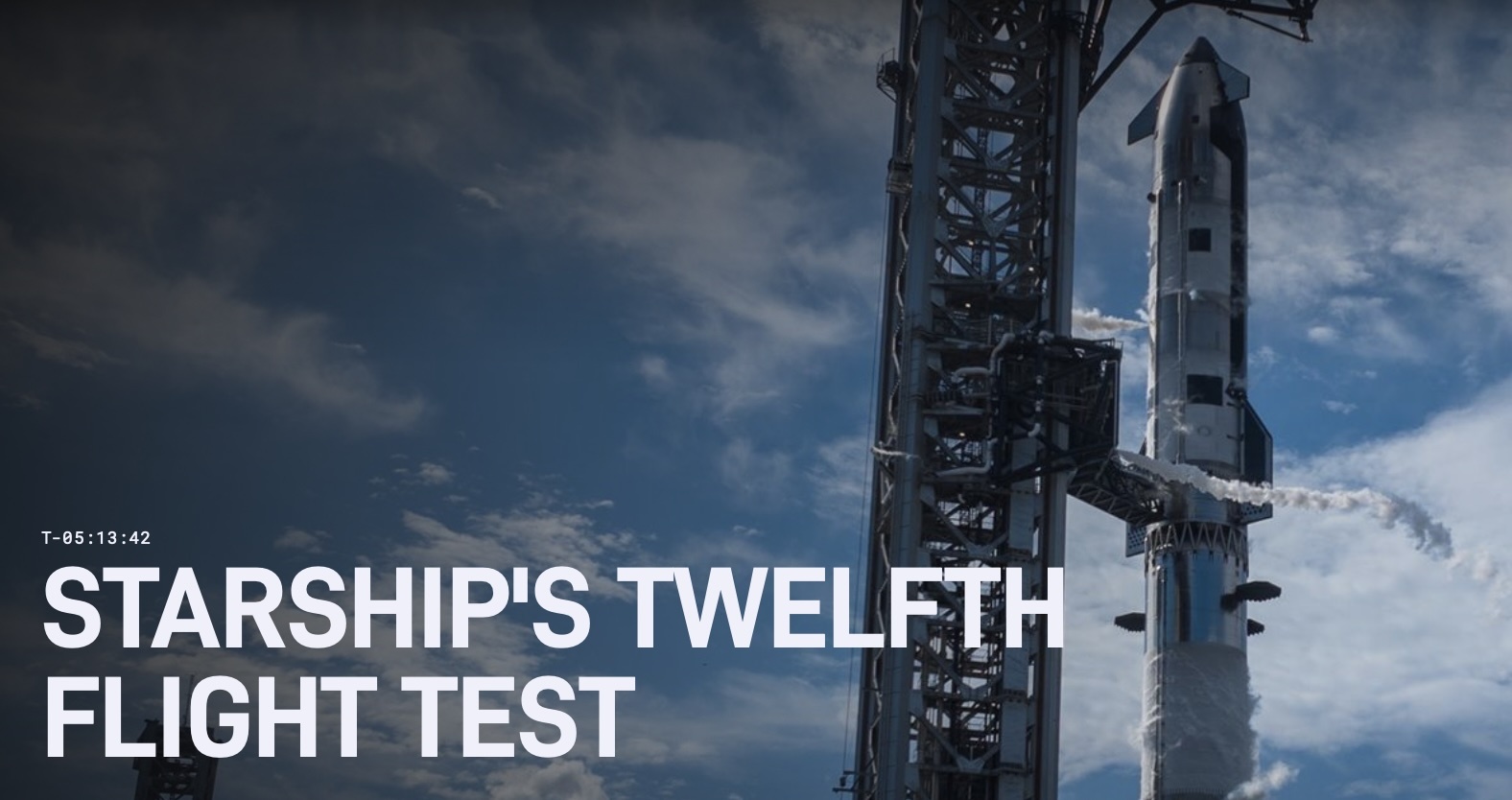
The twelfth flight test of Starship is preparing to launch Friday, May 22. The 90-minute launch window will open at 5:30 p.m. CT.
A live webcast of the flight test will begin about 45 minutes before liftoff, which you can watch here and on X @SpaceX. As is the case with all developmental testing, the schedule is dynamic and likely to change, so be sure to check in here and stay tuned to our X account for updates.
The upcoming flight will debut the next generation Starship and Super Heavy vehicles, powered by the next evolution of the Raptor engine and launching from a newly designed pad at Starbase.
Read about the upgrades debuting on Starship, Super Heavy, Raptor, and the launch pad on Flight 12.
The flight test’s primary goal will be to demonstrate each of these new pieces in the flight environment for the first time, with each element of the Starship architecture featuring significant redesigns to enable full and rapid reuse that incorporate learnings from years of development and test.
Watch “Test Like You Fly”, the first episode in a new Starship series that takes you inside the factories and onto the launch pads as these first vehicles prepared for flight.
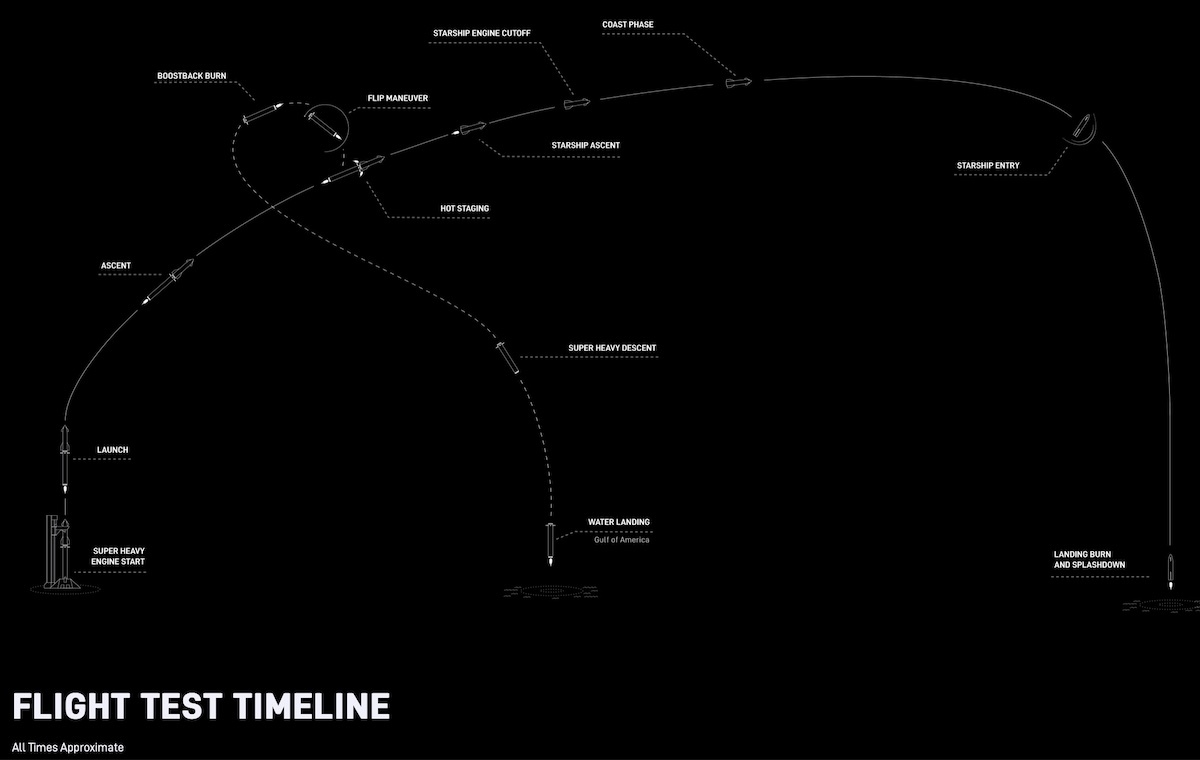
The booster’s primary test objective will be executing a successful launch, ascent, stage separation, boostback burn, and landing burn at an offshore landing point in the Gulf of America. As this is the first flight test of a significantly redesigned vehicle, the booster will not attempt a return to the launch site for catch.
The Starship upper stage will target multiple in-space and reentry objectives, including a payload deployment of 20 Starlink simulators, similar in size to next-generation Starlink V3 satellites, and two specially modified Starlink satellites. The two modified satellites will test hardware planned for Starlink V3 and will attempt to scan Starship’s heat shield and transmit imagery down to operators to test methods of analyzing Starship’s heat shield readiness for return to launch site on future missions. Several tiles on Starship have been painted white to simulate missing tiles and serve as imaging targets in the test. All of the deployed payloads will be on the same suborbital trajectory as Starship. A relight of a single Raptor engine while in space is also planned.
For Starship entry, a single heat shield tile has been intentionally removed to measure the aerodynamic load differences on adjacent tiles when there is a tile missing. Finally, the ship will perform experimental actions tested on previous flight tests, including a maneuver to intentionally stress the structural limits of the vehicle’s rear flaps and a dynamic banking maneuver to mimic the trajectory that future missions returning to Starbase will fly.
Quelle: SpaceX