
16.07.2026
Utah Helicopter Flights Test NASA’s DAVINCI Mission to Venus
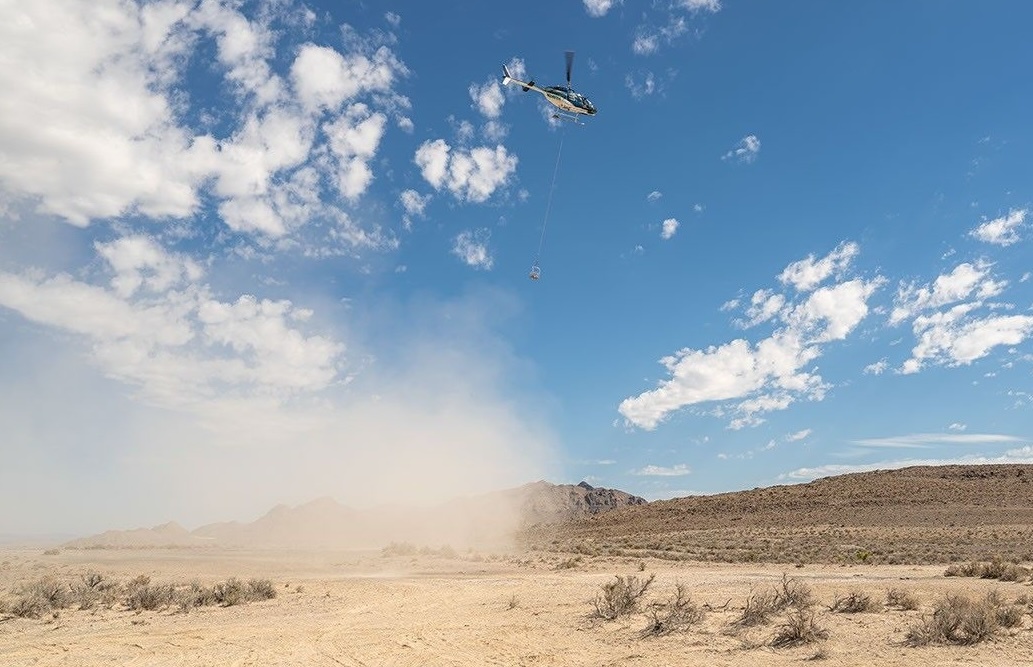
Before NASA sends its DAVINCI (Deep Atmosphere Venus Investigation of Noble gases, Chemistry, and Imaging) descent probe down through Venus’s thick atmosphere, scientists need to confirm that its cameras and instruments can do the job. During its 60-minute descent at Venus, the probe will capture images, measure the atmospheric chemistry, and explore the environment of a world no one has seen up close in this way.
To prepare, a team of DAVINCI scientists and engineers traveled to Crater Island, Utah, in late June. There, they simulated the descent imaging part of their Venus mission through slow, near-vertical helicopter descents from altitudes as high as 18,000 feet to make sure they would be able to measure the landscapes using only optical and infrared images taken on the way down.
Venus’ surface is not well understood. Past spacecraft that made it to the surface glimpsed only small patches of ground, while radar-equipped orbiters at Venus gave scientists broad pictures of the planet. The DAVINCI probe will attempt to fill in the details between these micro and macro scales, as it sniffs out the gases in Venus’s atmosphere and snaps images while sinking toward the surface of a mountainous region called Alpha Regio. These images alone will need to reveal both the planet’s rugged topography and the chemical makeup of its rocks.
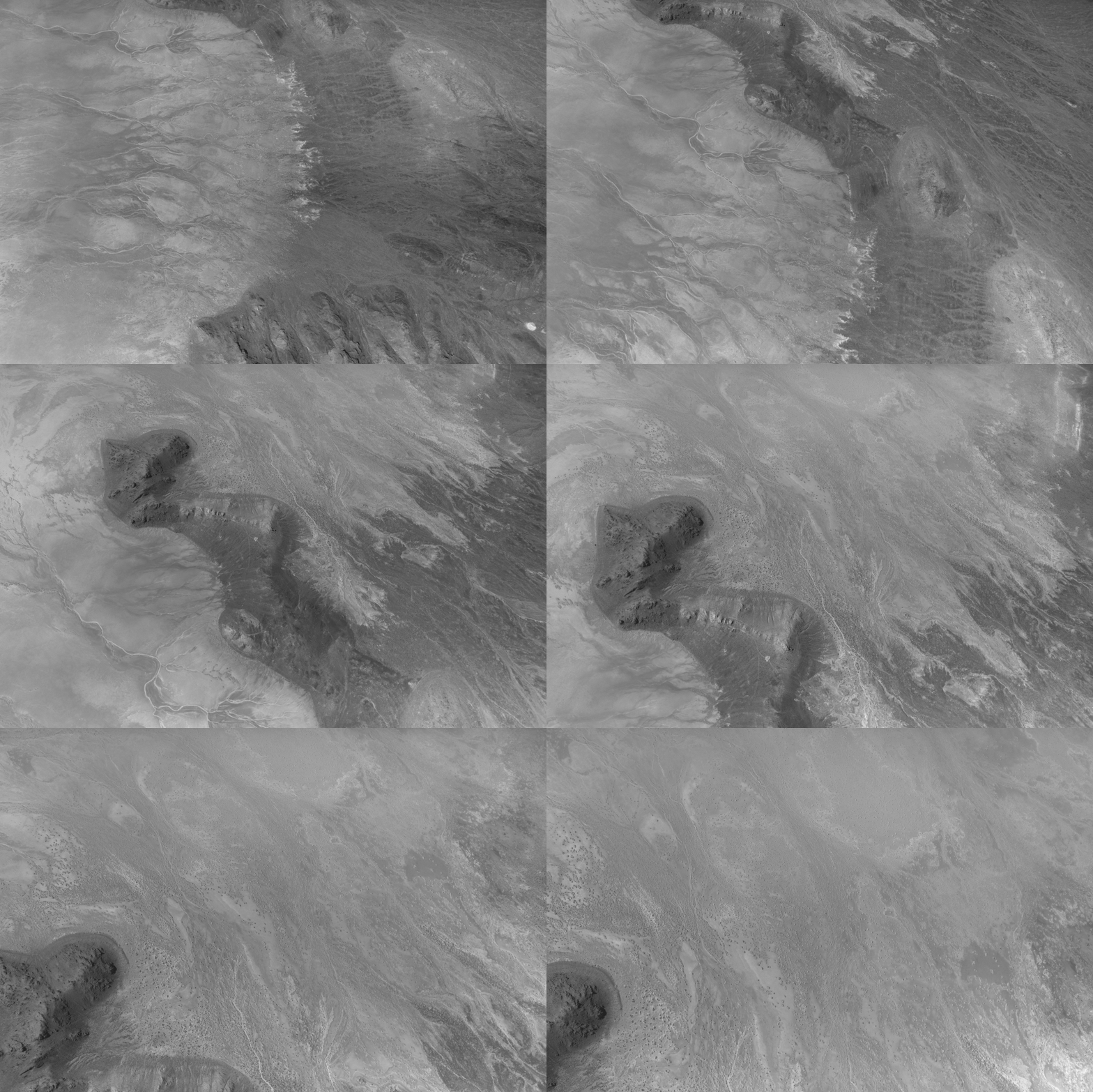
The imaging system was the star of the tests over Crater Island. DAVINCI scientists had to prove that they could stitch together hundreds of pictures taken from the helicopter payload to map the landscape and rock types of sites around the area. If DAVINCI’s maps matched official U.S. Geological Survey topographic and geologic maps, the team could trust the probe to do the same on Venus.
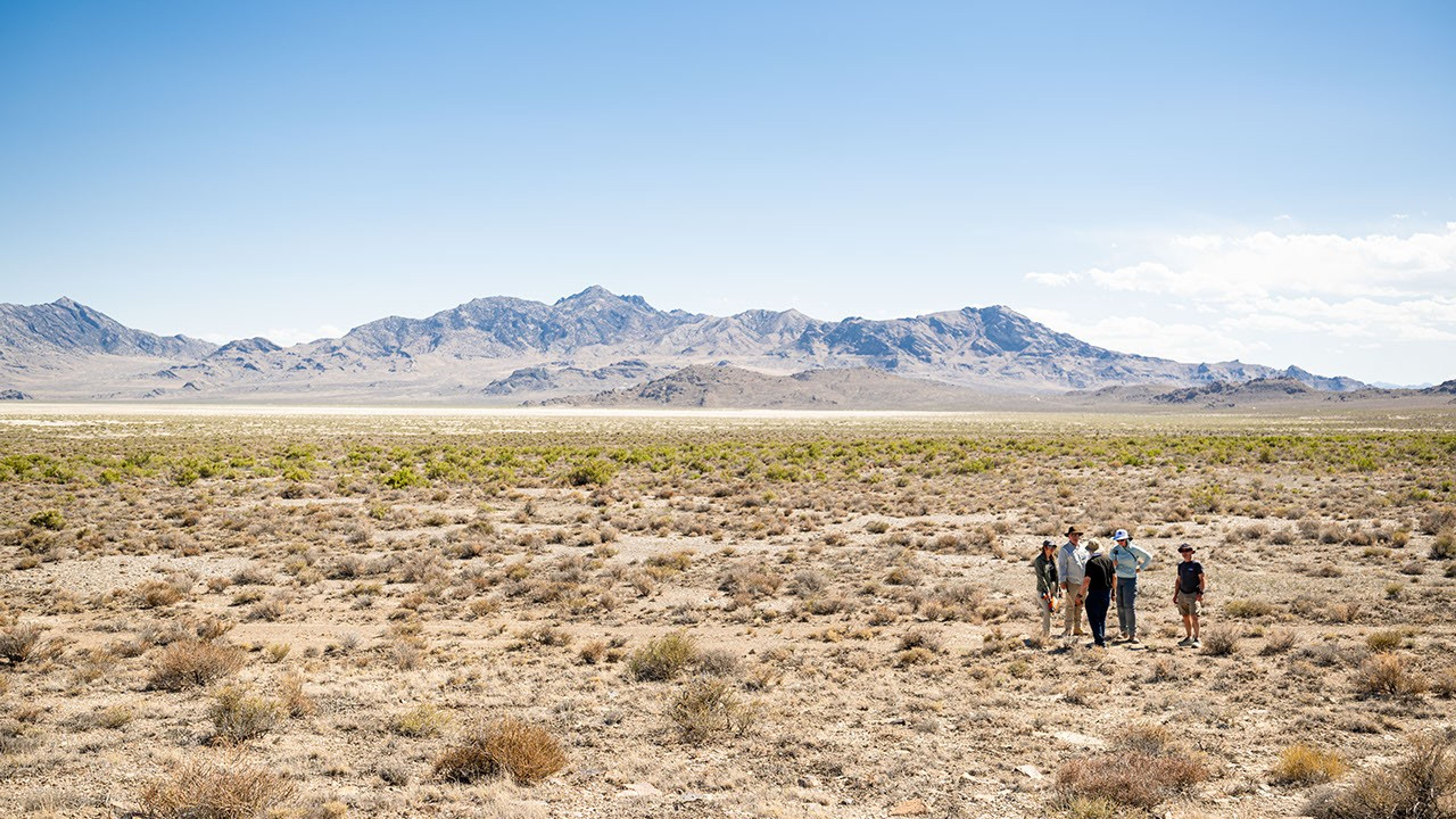
Crater Island is a complex of mountains in northern Utah, rising roughly half a mile into the sky above the neighboring salt flats. The mountain complex was once surrounded by water, thus the “island” in its name. Crater Island is the closest thing to Venus on Earth that the DAVINCI team could find after searching the globe for key geologic features that they think may be present in Alpha Regio, which scientists think could be an ancient continent possibly shaped by water.
Learning about the composition of rocks in Alpha Regio could help answer scientists’ biggest questions about Venus, including whether our neighboring planet once had oceans and Earth-like continents.
Crater Island also provided variety. Some areas match the predicted shapes and slopes of Alpha Regio’s terrain, while others contain different minerals the testing team’s infrared cameras could pick apart. Still others offered a spread of rock sizes, from boulders to baseball-sized fragments, that helped the team test whether the cameras could distinguish features that the DAVINCI probe will encounter on Venus.
The tests, conducted inside U.S. Air Force restricted airspace, included 10 helicopter flights to seven geological sites. With each flight, the helicopter ascended into the sky and then descended over nearly 40 minutes to the surface as the camera system snapped pictures.
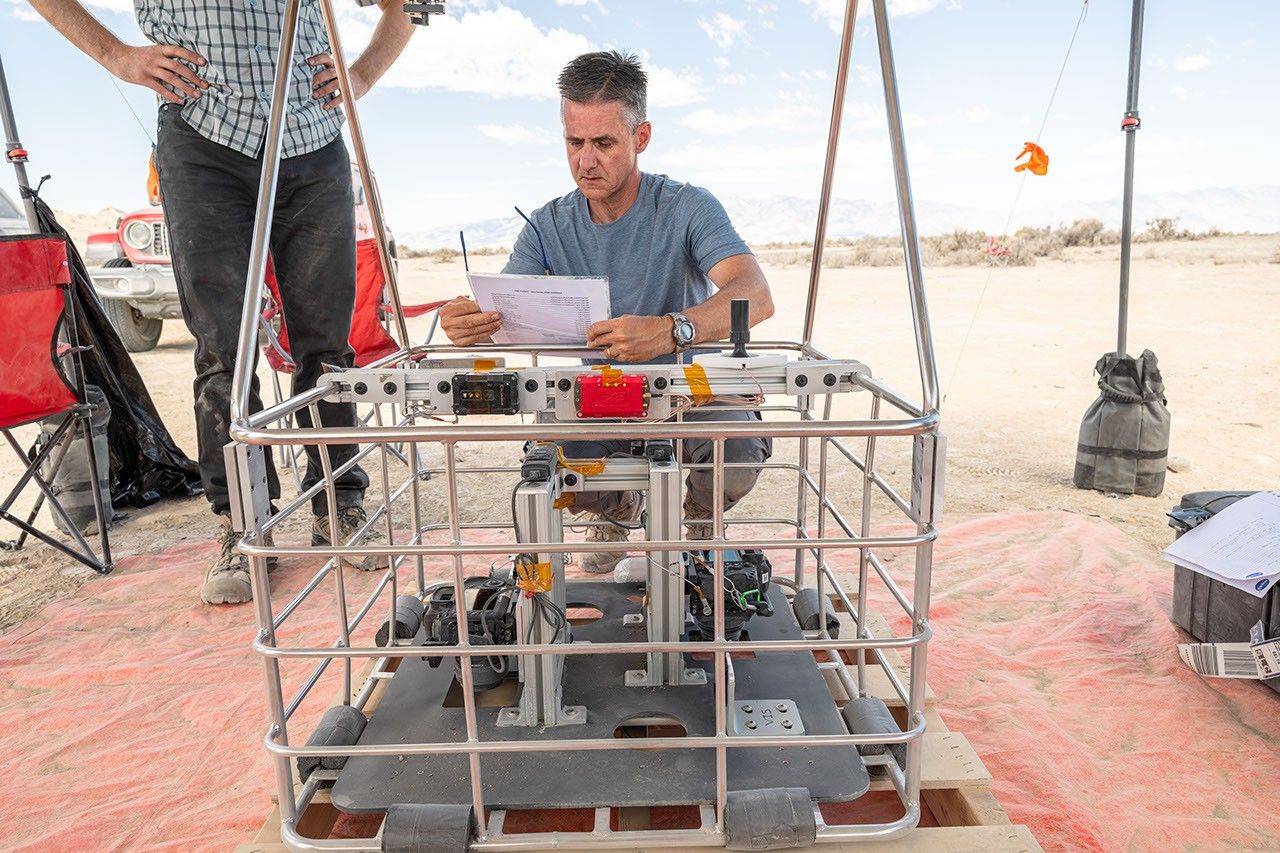
The helicopter carried a metal basket of instruments that was suspended from a 50-foot cable. Inside the basket were nine instruments, including infrared cameras and pressure and temperature sensors that simulated the ones that will fly on the Venus probe, plus GPS units, gyroscopes, and a magnetometer to track the position and motion of the basket. The real-world reference data from the sensors helped determine if the researchers were interpreting the images correctly, which is important because descent images will be the only data scientists have to reconstruct, in extreme detail, the landscape of Alpha Regio.
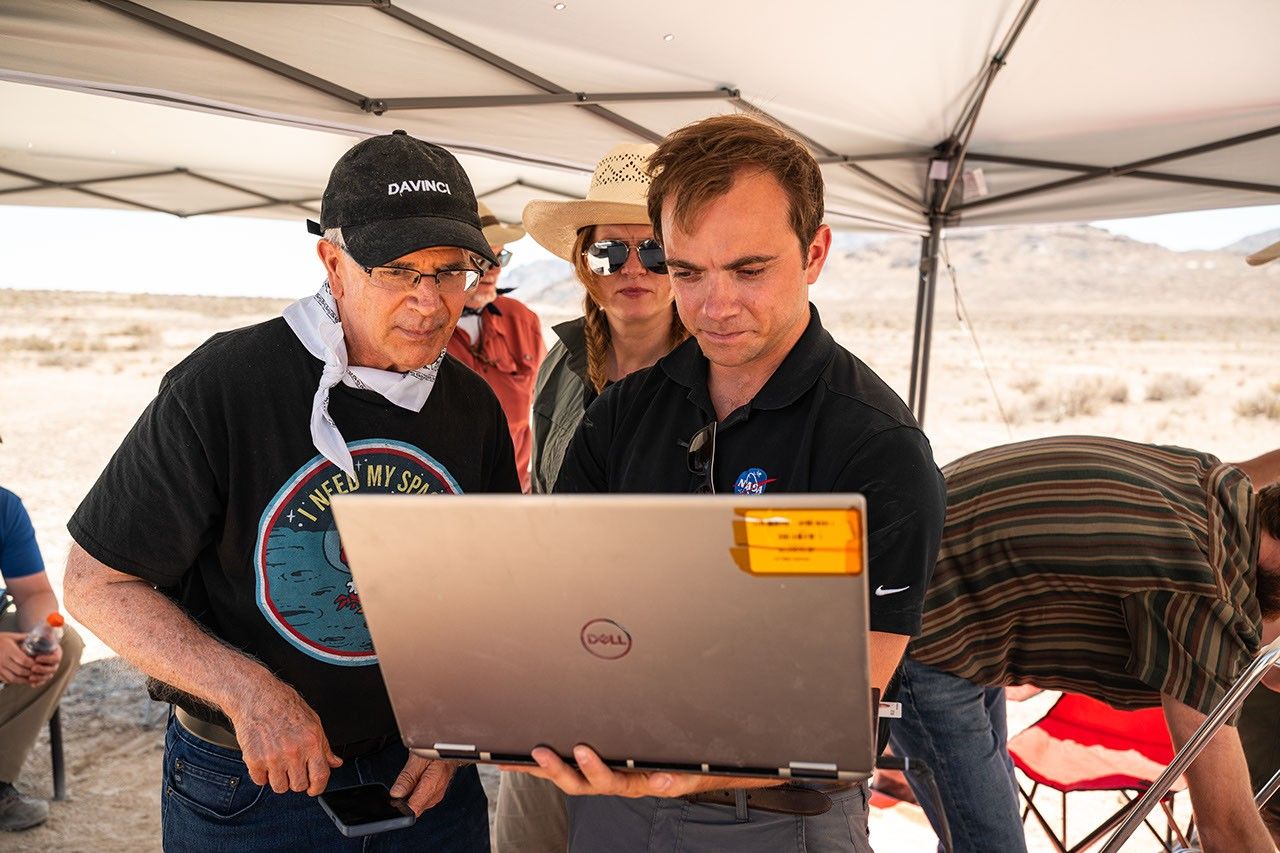
Back at base camp between flights, imaging specialists downloaded each batch of pictures and used custom and commercial software to turn them into three-dimensional maps showing the topography and rock types of the area.
In total, the DAVINCI team collected three terabytes of information across the three-day campaign. Now, back at NASA’s Goddard Space Flight Center in Greenbelt, Maryland, the team will spend months on additional analysis refining their maps to glean more detail from them.
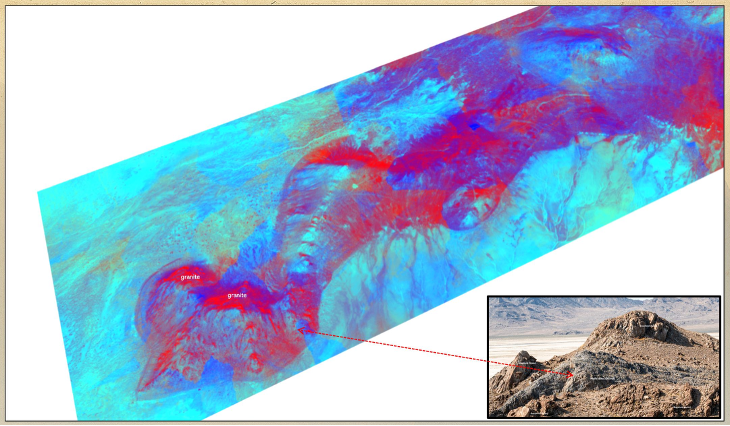
By the final day of the field campaign, the team had what they came for. From Utah’s dry lakebed floor to its ridgelines, scientists were able to recreate the landscape in detail using only the images acquired. Those reconstructions matched similar maps of the area created over many years by Utah state geologists, giving the DAVINCI team confidence that their imaging campaign also will work to reveal the geology of Alpha Regio.
Scientists also confirmed that the infrared images could distinguish key rock types, such as those rich in silica from others dominated by iron, which is a crucial capability for investigating the history of water on Venus and the geologic evolution of the planet.
For the people leading the effort, the test marked a leap forward. When DAVINCI launches, scientists will be confident that the probe can gather the information they need, thanks in part to a patch of high Utah desert that, for a few days, represented Venus on Earth.
Quelle: NASA
----
Update: 26.09.2026
.
NASA’s DAVINCI Beats Heat in Preparation for Blistering Venus Descent
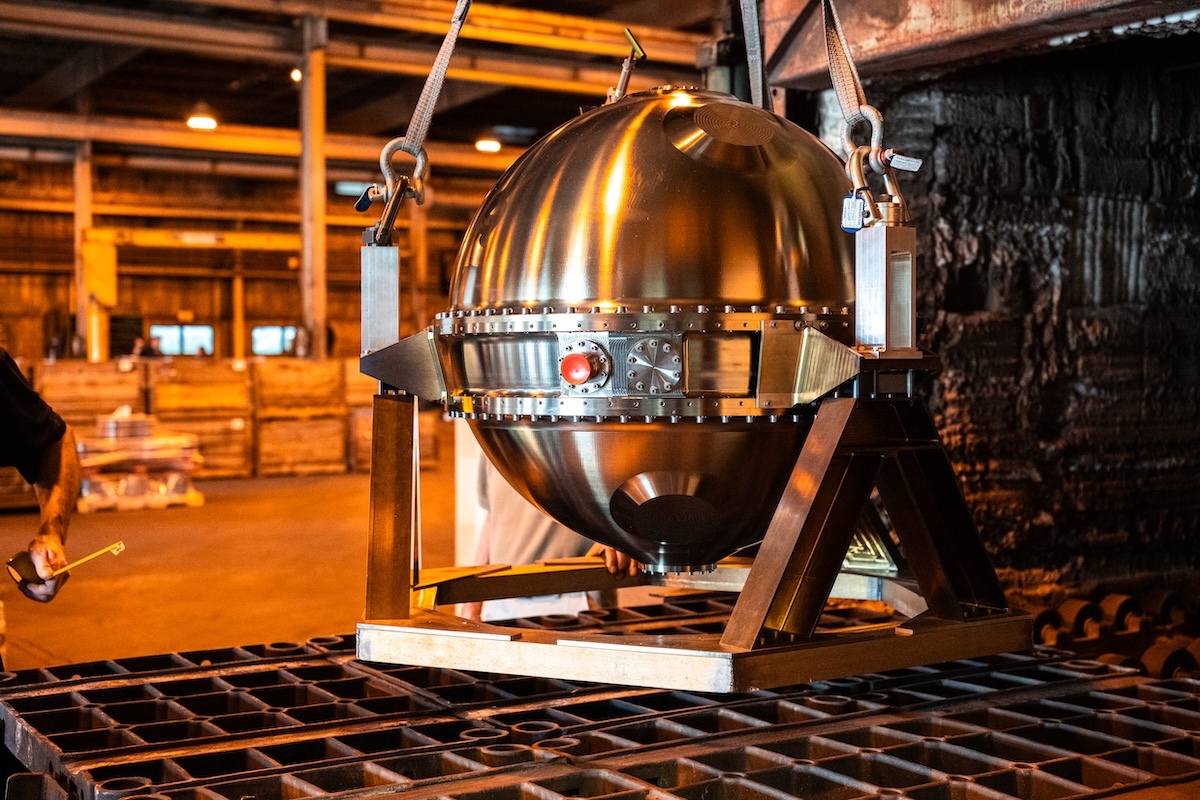
An engineering model of NASA’s DAVINCI (Deep Atmosphere Venus Investigation of Noble gases, Chemistry, and Imaging) descent probe passed a key test that ran from Aug. 28 to Sept. 10, showing it can survive the extreme temperatures of Venus.
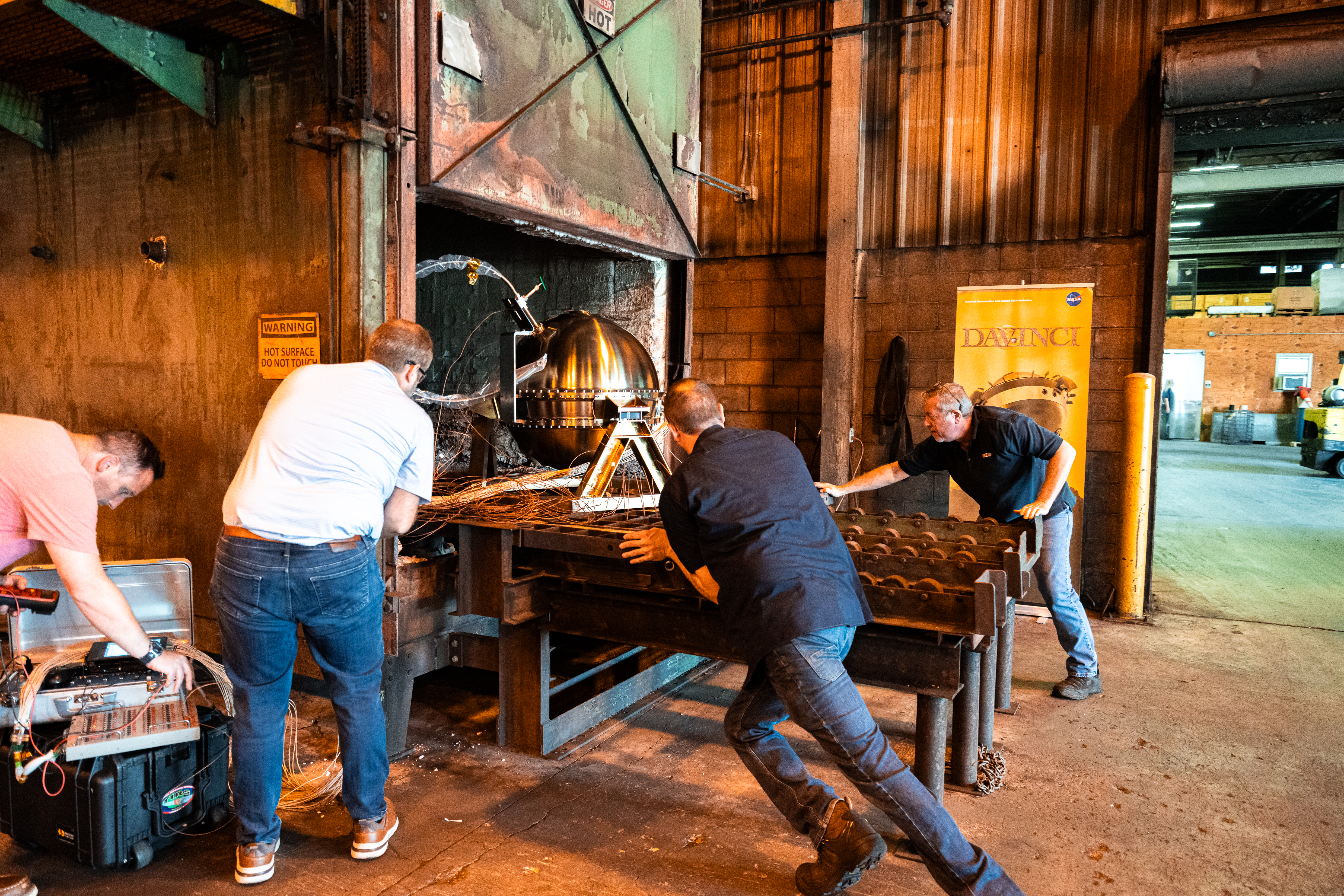
The DAVINCI team took the engineering model to a furnace at Rex Heat Treat in Bedford, Pennsylvania, as it’s one of few facilities capable of heating up to Venus-like temperatures as rapidly as the probe would experience. They slid the yoga ball-sized vessel into a ceramic-lined chamber with heat-scorched walls and ratcheted up the temperature to 869 degrees F, or 465 degrees C, over the course of about an hour — the same pace the probe will heat up during its descent to the surface of Venus.
They repeated the thermal cycling process five more times. The engineering model made it through every cycle unscathed, proving that the probe can withstand extreme temperatures and protect its delicate scientific instruments while traveling through Venus’ atmosphere. During the testing, hardware simulating the instruments was closely monitored via more than 100 thermal sensors.

“The experiment was a rousing success, with six runs to Venus’ surface temperature on our descent timeline of 55–60 minutes with full internal instrumentation,” said Jim Garvin, the principal investigator for DAVINCI at NASA’s Goddard Space Flight Center in Greenbelt, Maryland. “There hasn’t been such a complete assessment of spacecraft-scale hardware at Venus temperatures in the U.S. since the mid-1970s.”
The DAVINCI spacecraft is being developed to travel to Venus to investigate numerous unsolved puzzles, including whether the planet once had oceans and was habitable, like Earth. To explore these mysteries, the spacecraft will release a probe that will withstand hellish temperatures for nearly an hour as it descends through Venus’ toxic atmosphere, collecting data along the way.
“It’s a huge engineering challenge given how harsh the Venus environment is,” said Kristen Brown, the DAVINCI probe manager at NASA Goddard. “We had to create a system that can protect the instruments from the planet’s overwhelming heat while strategically letting in its high-temperature gases to study through special inlet ports.”
Encased in a corrosion resistant, strong-yet-lightweight titanium shell, the DAVINCI probe will be equipped with a suite of instruments to sample the composition of the gases of the Venusian atmosphere to determine what molecules they’re made of and learn about the atmosphere’s structure. It will also contain cameras that will snap the highest-resolution images of Venus’ surface ever, which scientists will use to make a 3D map, and a radio system to send data back to the spacecraft flying 5,600 miles (9,000 kilometers) overhead.
This heat testing follows on the heels of a campaign earlier this summer to demonstrate the probe’s imaging system. The mission is currently working toward gaining approval to move into the final design and fabrication phase. “The DAVINCI team has now met both of the major mission milestones this year on an accelerated timeline,” Garvin said. Showing that the DAVINCI probe can beat the Venusian heat, brings scientists one step closer to learning why Earth’s “twin” turned out so different from our home.
Quelle: NASA