
22.05.2026
MAY 25, 2026 13:41 - 17:41 GERMANY TIME
STARLINK MISSION
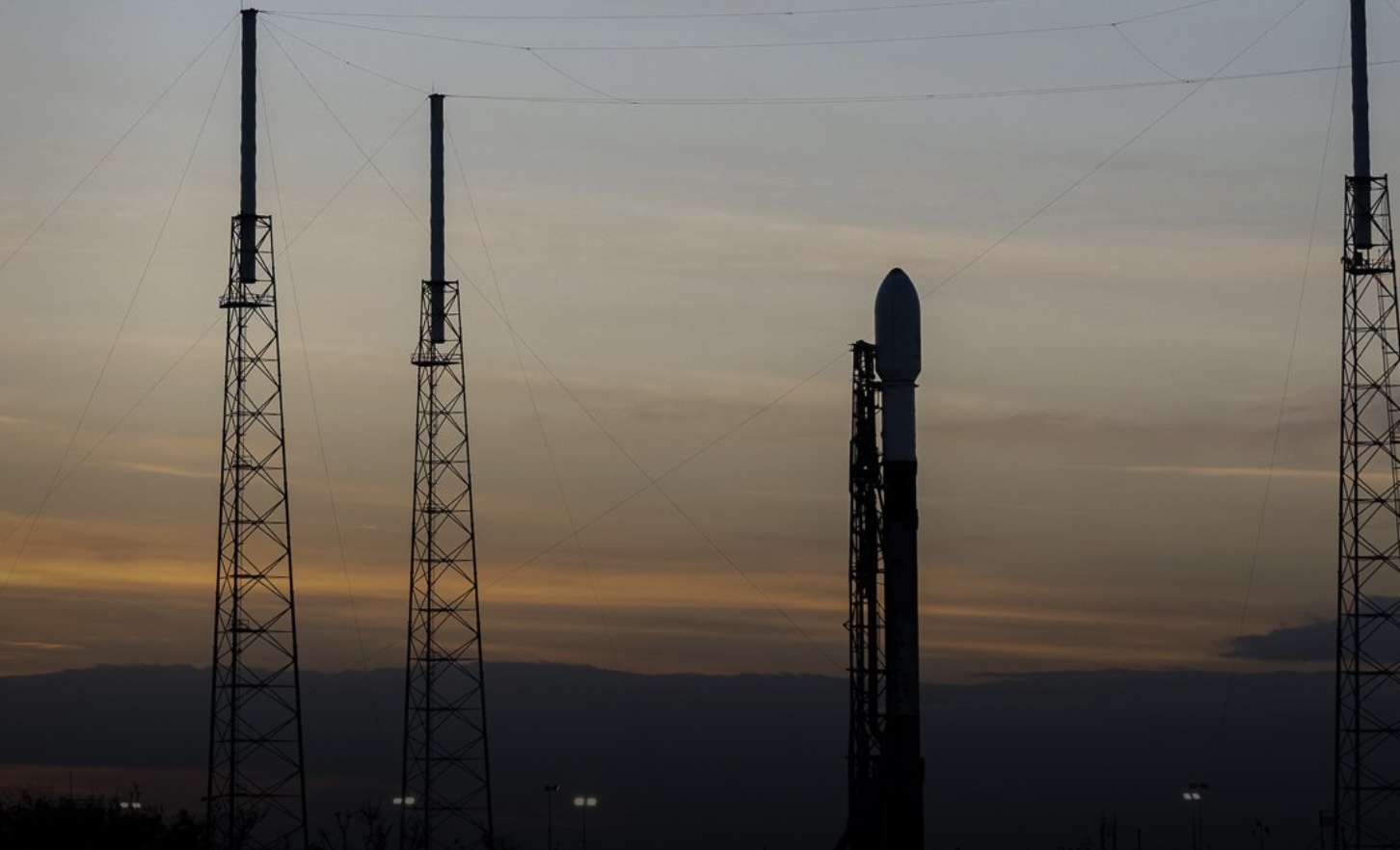
SpaceX’s Falcon 9 is targeting the launch of 29 Starlink satellites to low-Earth orbit from Space Launch Complex 40 (SLC-40) at Cape Canaveral Space Force Station in Florida.
A live webcast of this mission will begin about 10 minutes prior to liftoff, which you can watch here and on X @SpaceX. You can also watch the webcast on the X TV app.
This will be the 28th flight for the first stage booster supporting this mission, which previously launched Crew-6, SES O3b mPOWER-B, USSF-124, BlueBird 1-5, Nusantara Lima (PSN N5), and 22 Starlink missions. Following stage separation, the first stage will land on the A Shortfall of Gravitas droneship, which will be stationed in the Atlantic Ocean.
Quelle: SpaceX
----
Update: 29.05.2026
.
SpaceX to launch 29 Starlink satellites on Falcon 9 rocket from Cape Canaveral
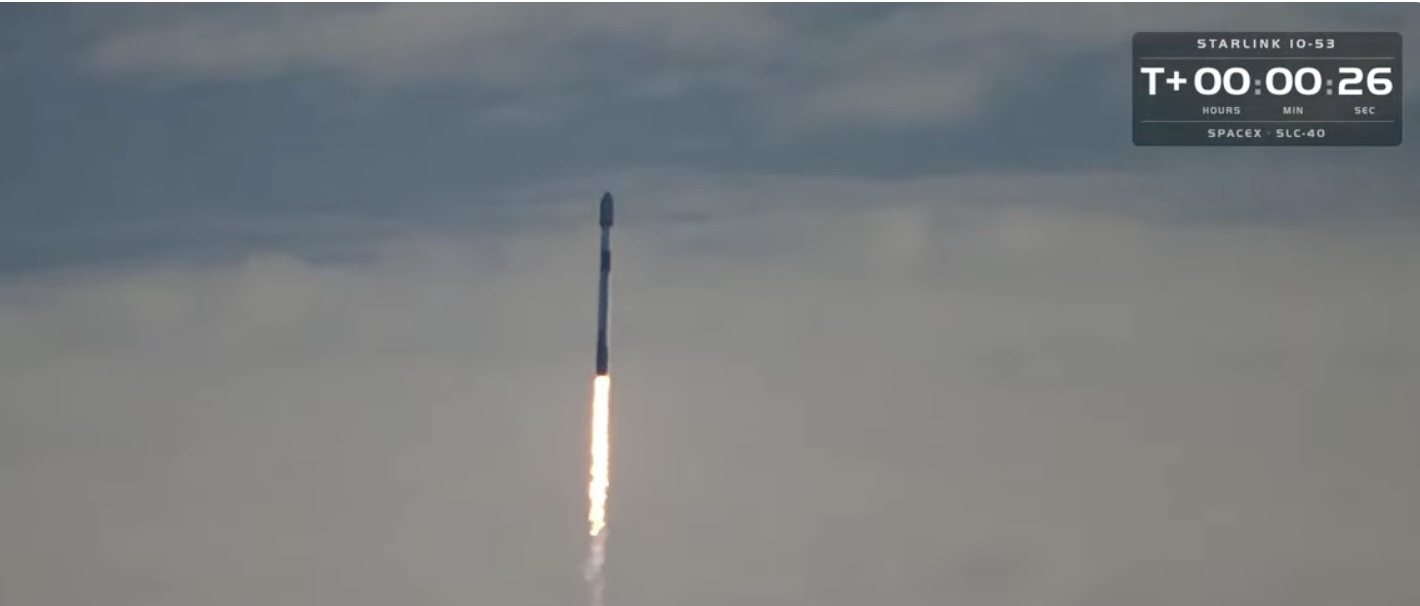
SpaceX launched its penultimate planned flight in May, sending its Falcon 9 rocket flying from Cape Canaveral Space Force Station on Friday morning.
The Starlink 10-53 mission will add another 29 broadband internet satellites to the company’s low Earth orbit megaconstellation. The network consists of more than 10,000 spacecraft.
Liftoff from Space Launch Complex 40 happened at 8:57 a.m. EDT (1257 UTC). The rocket flew on a north-easterly trajectory upon leaving the pad.
The 45th Weather Squadron forecast an 80 percent chance for favorable weather during the launch window. Meteorologists are tracking the possibility for interference from cumulus and anvil clouds.
“The subtropical ridge axis will move south of the Spaceport by Friday, leading to an influx of tropical moisture,” launch weather officers wrote. “Westerly-to-southwesterly low-level winds will bring prime conditions for afternoon showers and thunderstorms along the east coast of Florida for several days, some of which could develop in the morning hours.
“For both the primary and backup launch windows, isolated showers and thunderstorms could develop towards the end of the windows, with possibly lingering anvil clouds towards the beginning of the windows.”
SpaceX launched the mission using the Falcon 9 first stage booster with the tail number B1085. This was its 16th flight following the launches of missions, like NASA’s Crew-9, Fram2, and Firefly’s Blue Ghost Mission 1.
Nearly 8.5 minutes after liftoff, B1085 landed on the drone ship, ‘A Shortfall of Gravitas.’ This was the 152nd touchdown on this vessel and the 616th booster landing for SpaceX to date.
Quelle: SN