
25.04.2026
NASA Shares SpaceX Crew-13 Assignments for Space Station Mission
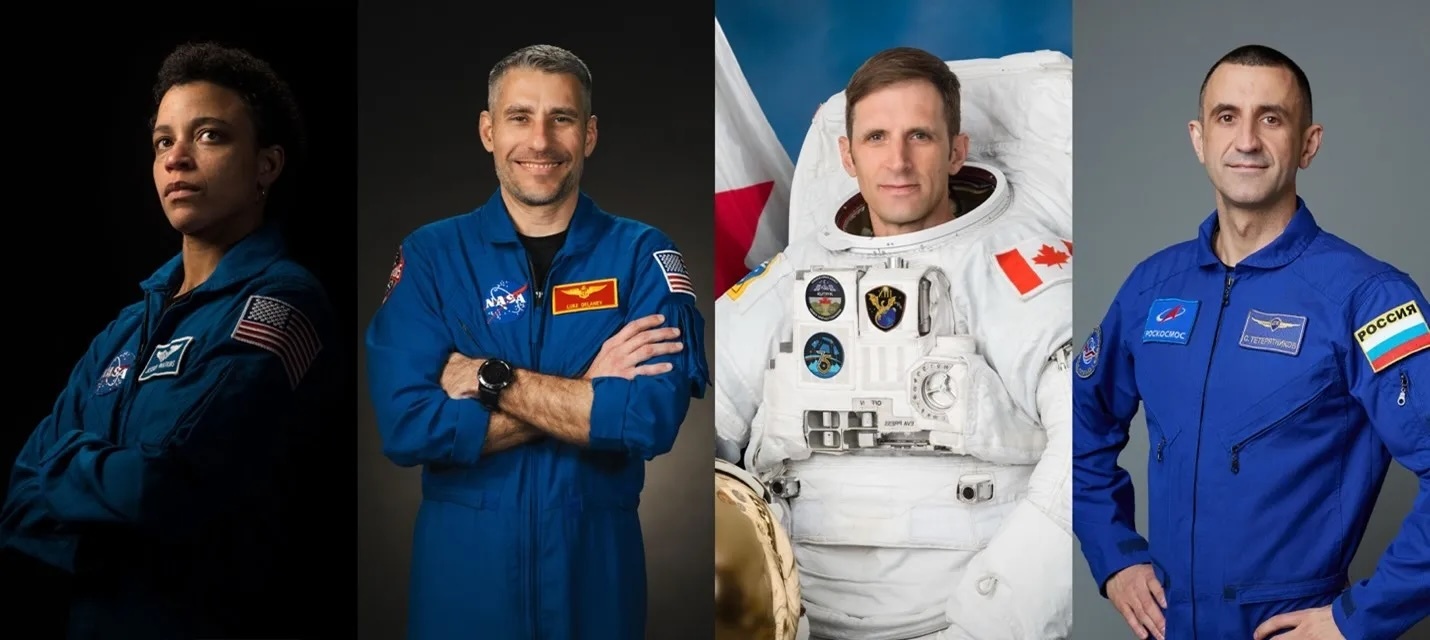
As part of NASA’s SpaceX Crew-13 mission, four crew members from three space agencies will launch no earlier than mid-September to the International Space Station for a long-duration science expedition.
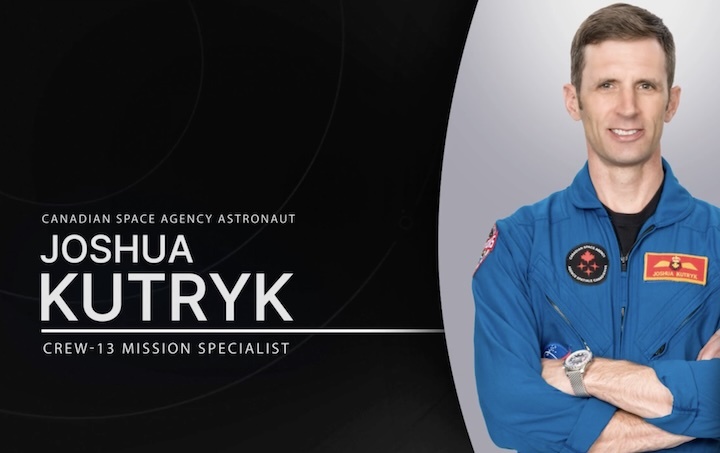
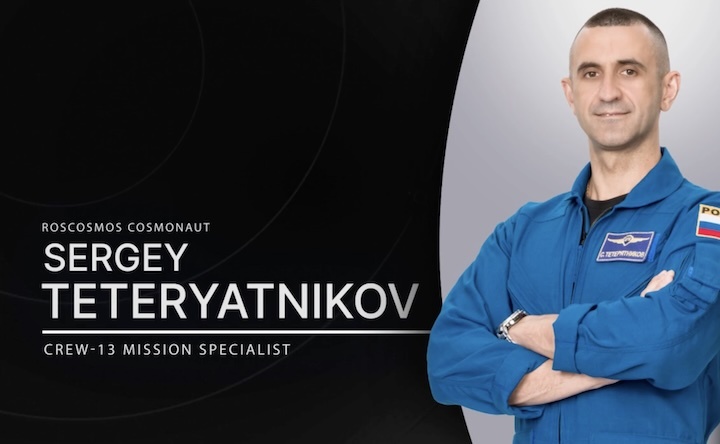
NASA astronauts Jessica Watkins and Luke Delaney will serve as spacecraft commander and pilot, respectively. They will be joined by CSA (Canadian Space Agency) astronaut Joshua Kutryk and Roscosmos cosmonaut Sergey Teteryatnikov, who will serve as mission specialists. After arriving at the orbiting laboratory, Crew-13 will become members of the space station’s Expedition 75.
This flight is the 13th crew rotation with SpaceX to the space station as part of NASA’s Commercial Crew Program. NASA is advancing the launch date of Crew-13 from November to help increase the frequency of U.S. crew rotation missions to the space station. The crew will conduct scientific investigations and technology demonstrations to help prepare humans for future exploration missions to the Moon and Mars, and benefit people on Earth.
This will be the second flight to the space station for Watkins, who was selected as a NASA astronaut in 2017. Watkins grew up in Lafayette, Colorado, and earned an undergraduate degree in geological and environmental sciences from Stanford University, as well as a doctorate in geology from the University of California, Los Angeles. As a geologist, she studied the Martian surface and was a member of the Curiosity rover science team at NASA’s Jet Propulsion Laboratory in Southern California. Watkins first launched to the space station as a crew member aboard NASA’s SpaceX Crew-4 mission, spending a total of 170 days in space across Expeditions 67/68 in 2022. She will be the first NASA astronaut to launch aboard a SpaceX Dragon spacecraft twice.
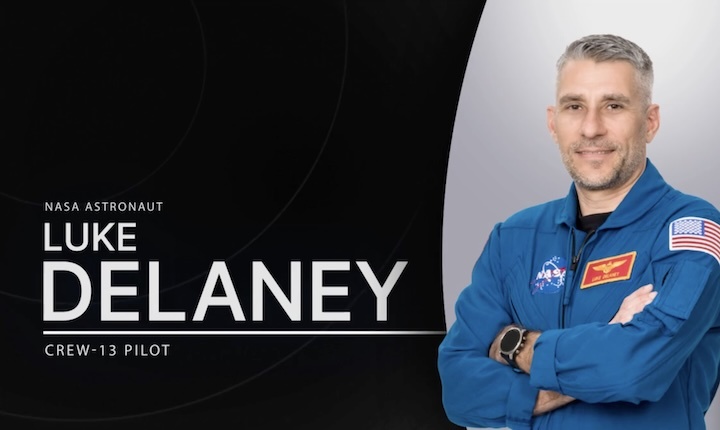
Selected as a NASA astronaut in 2021, Delaney earned a bachelor’s degree in mechanical engineering at the University of North Florida and a master’s degree in aerospace engineering at the Naval Postgraduate School. The Florida native is a distinguished naval aviator who participated in exercises throughout the Asia Pacific region and conducted missions in support of Operation Enduring Freedom. As a test pilot, Delaney evaluated developmental aircraft systems and served as a test pilot instructor. He also worked as a research pilot at NASA’s Langley Research Center in Hampton, Virginia, where he supported airborne science missions. This is the first spaceflight for Delaney.
The Crew-13 mission also is the first spaceflight for Kutryk. Prior to his selection as a CSA astronaut in 2017, he served as a CF-18 fighter pilot, flying missions in support of Canada’s NATO, U.N., and North American Aerospace Defense Command commitments. A native of Fort Saskatchewan, Alberta, Kutryk also worked as an experimental and operational test pilot at the Aerospace Engineering Test Establishment in Cold Lake, Alberta. Kutryk received a bachelor’s degree in mechanical engineering from the Royal Military College of Canada in Kingston, Ontario, and he is a distinguished graduate of the United States Air Force Test Pilot school in Edwards, California. He has master’s degrees in space studies, flight test engineering, and defense studies.
Crew-13 will be Teteryatnikov’s first trip to the orbiting laboratory. He graduated from the Naval Academy, St. Petersburg, Russia, in 2011 as an engineer specializing in ship power plant operations. Before his selection as a test cosmonaut, Teteryatnikov served in various naval engineering roles, including undersea vessels and specialized engine room operations. He was selected for the Gagarin Research and Test Cosmonaut Training Center Cosmonaut Corps in 2021 and has served as a test cosmonaut since 2023.
For more than 25 years, people have lived and worked continuously aboard the International Space Station, advancing scientific knowledge and making research breakthroughs that aren’t possible on Earth. The space station helps NASA understand and overcome the challenges of human spaceflight, expand commercial opportunities in low Earth orbit, and build on the foundation for long-duration missions to the Moon, as part of the Artemis program, and to Mars.
Quelle: NASA
----
Update: 27.04.2026
.
NASA's SpaceX Crew-13 pays homage to Apollo 13 on mission patch
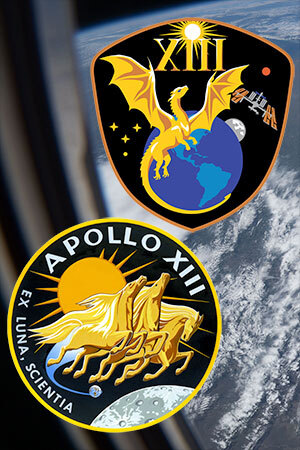
NASA's SpaceX Crew-13 mission patch pays homage to the Apollo 13 insignia, united by a common numerical. (NASA/collectSPACE)
NASA has assigned its first crew to launch on a mission "13" since Apollo 13 "had a problem" on the way to the moon 56 years ago.
Jessica Watkins and Luke Delaney with NASA, Joshua Kutryk with the Canadian Space Agency and Roscosmos cosmonaut Sergey Teteryatnikov will lift off for the International Space Station as Crew-13 on a SpaceX Dragon spacecraft in mid-September. The four will serve as members of the station's Expedition 75 and 76 crews, before returning to Earth about five months later.
"This flight is the 13th crew rotation with SpaceX," NASA's announcement read. "The crew will conduct scientific investigations and technology demonstrations to help prepare humans for future exploration missions to the moon and Mars, and benefit people on Earth."
Rather than give into triskaidekaphobia (the fear or avoidance of 13), the crew is embracing it, or at least their connection to the last U.S. launch to be similarly numbered. The Crew-13 mission patch includes visual nods to the insignia worn by Apollo 13 astronauts Jim Lovell, Fred Haise and Jack Swigert in April 1970.
Imitation is an option
"NASA's SpaceX Crew-13 patch looks ardently toward the future of space exploration while honoring the legacy of those who came before," reads the official description of the emblem.
At the center of the Crew-13 patch is a golden dragon, which is both a reference to the name of SpaceX's capsule and the golden horses depicted on the Apollo 13 insignia. (Lovell and his crewmates worked with NASA contract artist Norman Tiller and muralist and sculptor Lumen Winter, who proposed the equestrian design, to create their flight badge.)
The dragon's tail on the Crew-13 patch wraps around Earth in a manner reminiscent of the blue contrail that connects Earth with the horses on the Apollo 13 insignia. In the 1970 artwork, it was a nod to the Roman and Greek god Apollo; today, is a "bridge between Earth, the International Space Station, the moon and Mars," per NASA's caption.
The use of roman numerals for "XIII" (13) and the lack of crew names on the Crew-13 patch also mimic elements of the design from almost six decades ago, where as the golden stars are symbolic of the Crew-13 families and the overall capsule shape (as opposed to a circle) references the "possibilities born out of human collaboration toward a common goal," according to the space agency.
It comes after 12
Prior to Crew-13, NASA managers leaned into the superstition and devised a less intuitive but more data-driven designation that went into effect after the ninth space shuttle mission. Hence, what would have been STS-13 became STS-41-C, where the '4' was the fiscal year (1984), the '1' was the launch site (Kennedy Space Center in Florida) and 'C' the order of launch (C was the third planned flight of the year).
"I mentioned it was 41-C that originally it was STS-13, and my friend Jim Beggs, who was the Administrator of NASA, had triskaidekaphobia, and he said, 'There's not going to be [another] Apollo 13 or a Shuttle 13, so come up with a new numbering system.' So we did come up with this complex system for numbering the shuttles during that period of time," said Bob Crippen, STS-41C commander, in a NASA oral history interview.
NASA later reverted back to a straightforward numerical designation after the loss of the space shuttle Challenger and the STS-51L crew in January 1986. As such, there was an STS-113, which launched aboard space shuttle Endeavour in 2002, but not before having to make late crew changes due to medical issues. The last time that NASA faced the same decision was on Apollo 13.
"We were joking a lot about being number 113," commander Ken Bowersox told the press at the time. He added that to play it safe, the mission patch used Roman numerals (CXIII).
On board the International Space Station, the 13th crewed expedition began on April 1, 2006, ten days before the 36th anniversary of the Apollo 13 launch.
The Russian space program launched six crewed missions designated as number 13. At least one of those times, the head of the country's space agency suggested it be skipped.
"Many people have superstitious beliefs," said Roscosmos director Anatoly Perminov, according to his press secretary, in 2008. "That's why I think that it is a good idea to change the number of the next space ship."
Despite the concern, Soyuz TMA-13 went forward as planned. As did Soyuz 13, Soyuz T-13 and Soyuz TM-13 before it.
Soyuz TMA-13M launched Reid Wiseman and Soyuz MS-13 landed with Christina Koch. Both U.S. astronauts went on to fly aboard NASA's Artemis II missionearlier this month, a crewed fly by of the moon that broke the distance record set by the Apollo 13 astronauts.
Quelle: collectSPACE
----
Update: 22.07.2026
.
NASA Sets Briefings for SpaceX Crew-13 Mission to Space Station
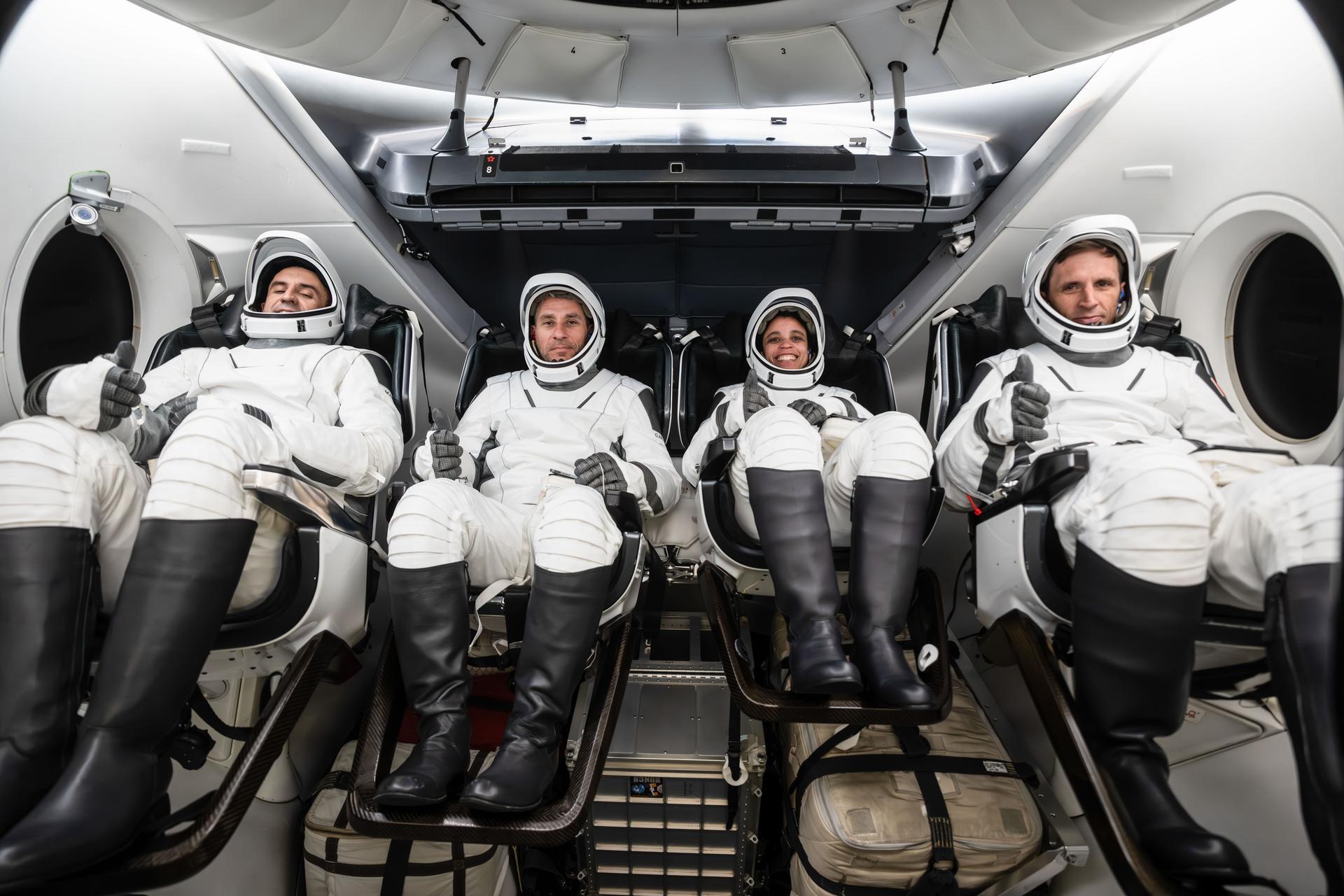
NASA and its partners will discuss the upcoming crew rotation mission to the International Space Station during a pair of news conferences on Monday, Aug. 3, from the agency’s Johnson Space Center in Houston.
Mission leadership will provide an overview of NASA’s SpaceX Crew‑13 mission at 12 p.m. EDT. Next, crew members will discuss their training and mission preparations at 2 p.m. This is Crew-13’s final media availability prior to traveling to the agency’s Kennedy Space Center in Florida for launch.
NASA will stream these events live. Learn where to watch online:
The Crew-13 mission will carry NASA astronauts Jessica Watkins and Luke Delaney, CSA (Canadian Space Agency) astronaut Joshua Kutryk, and Roscosmos cosmonaut Sergey Teteryatnikov to the orbiting laboratory. The crew will launch aboard a SpaceX Dragon spacecraft on the company’s Falcon 9 rocket from Space Launch Complex 40 at Cape Canaveral Space Force Station in Florida no earlier than mid-September.
International media attending in person must email the NASA Johnson newsroom at jsccommu@mail.nasa.gov by 5 p.m., Tuesday, July 21. United States-based media attending in person must respond by 5 p.m., Thursday, July 30. Media joining virtually must respond by 10 a.m. the day of the event. NASA’s media accreditation policy is available online.
Briefing participants are as follows (all times Eastern and subject to change based on real-time operations):
12 p.m.: Mission Overview News Conference
- Joel Montalbano, deputy associate administrator, Human Spaceflight Mission Directorate, NASA Headquarters
- Dana Weigel, manager, Low Earth Orbit Program, NASA Johnson
- Mathieu Caron, director, Astronauts, Life Sciences, and Space Medicine, CSA
- Julianna Scheiman, director, NASA Science and Dragon Programs, SpaceX
2 p.m.: Crew-13 News Conference
- Jessica Watkins, commander, NASA
- Luke Delaney, pilot, NASA
- Joshua Kutryk, mission specialist, CSA
- Sergey Teteryatnikov, mission specialist, Roscosmos
Following the news conference, crew members will be available for limited media interviews. All interview requests must be submitted by 5 p.m. on July 30, to the NASA Johnson newsroom at: jsccommu@mail.nasa.gov.
This will be the second flight to the space station for Watkins, who was selected as a NASA astronaut in 2017. Watkins grew up in Lafayette, Colorado, and earned an undergraduate degree in geological and environmental sciences from Stanford University, as well as a doctorate in geology from the University of California, Los Angeles. As a geologist, she studied the Martian surface and was a member of the Curiosity rover science team at NASA’s Jet Propulsion Laboratory in Southern California. Watkins first launched to the space station as a crew member aboard NASA’s SpaceX Crew-4 mission, spending a total of 170 days in space across space station Expeditions 67/68 in 2022. She will be the first NASA astronaut to launch aboard a SpaceX Dragon spacecraft twice.
Selected as a NASA astronaut in 2021, Delaney earned a bachelor’s degree in mechanical engineering at the University of North Florida and a master’s degree in aerospace engineering at the Naval Postgraduate School. The Florida native is a distinguished naval aviator who participated in exercises throughout the Asia Pacific region and conducted missions in support of Operation Enduring Freedom. As a test pilot, Delaney evaluated developmental aircraft systems and served as a test pilot instructor. He also worked as a research pilot at NASA’s Langley Research Center in Hampton, Virginia, where he supported airborne science missions. This is the first spaceflight for Delaney.
The Crew-13 mission also is the first spaceflight for Kutryk. Prior to his selection as a CSA astronaut in 2017, he served as a CF-18 fighter pilot, flying missions in support of Canada’s NATO, U.N., and North American Aerospace Defense Command commitments. A native of Fort Saskatchewan, Alberta, Kutryk also worked as an experimental and operational test pilot at the Aerospace Engineering Test Establishment in Cold Lake, Alberta. Kutryk received a bachelor’s degree in mechanical engineering from the Royal Military College of Canada in Kingston, Ontario, and he is a distinguished graduate of the United States Air Force Test Pilot school in Edwards, California. He has master’s degrees in space studies, flight test engineering, and defense studies.
This mission will be Teteryatnikov’s first trip to the orbiting laboratory. He graduated from the Naval Academy, St. Petersburg, Russia, in 2011 as an engineer specializing in ship power plant operations. Before his selection as a test cosmonaut, Teteryatnikov served in various naval engineering roles, including undersea vessels and specialized engine room operations. He was selected for the Gagarin Research and Test Cosmonaut Training Center Cosmonaut Corps in 2021 and has served as a test cosmonaut since 2023.
Quelle: NASA
----
Update: 5.08.2026
.
5 things to know about the Canadian astronaut joining NASA's Crew 13
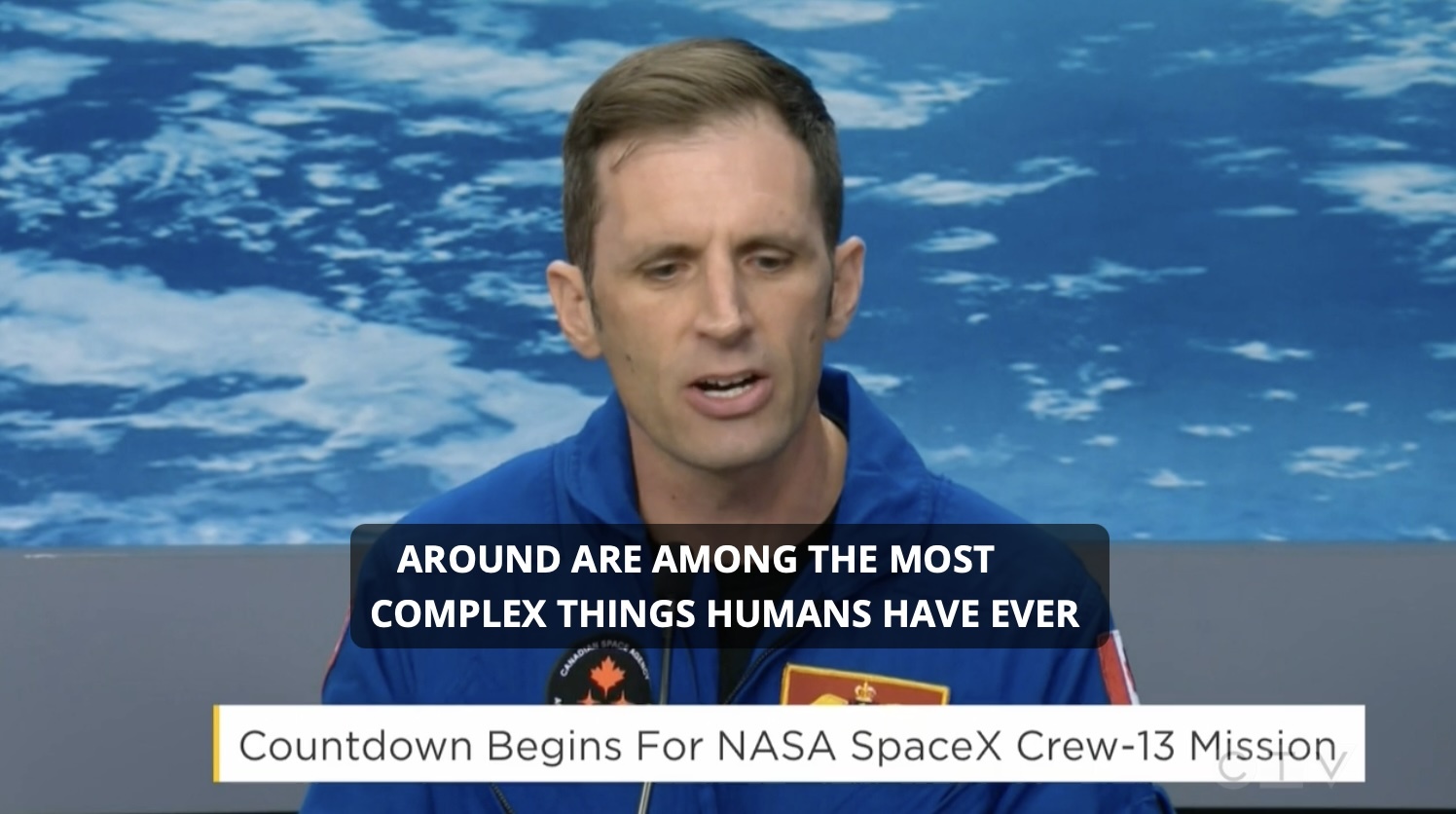
Fort Saskatchewan's Joshua Kutryk will be the next Canadian to head to space on the Crew-13 Mission.
A few months after Artemis II’s lunar flyby, another Canadian astronaut is preparing for a mission in space.
The Canadian Space Agency’s Joshua Kutryk is one of four members assigned to NASA’s SpaceX Crew 13 mission.
The crew will spend six months at the International Space Station to conduct health experiments and maintenance work.
Here are five things to know about Kutryk.
1. Kutryk dreamt of going to space when he was growing up on a cattle farm in eastern Alberta, which he described as “a long way from being here with this mission.”
2. Kutryk served as a CF-18 fighter pilot in Bagotville, Que., from 2007 to 2011, and was deployed to Libya and Afghanistan. He then worked as a test pilot in Cold Lake, Alta., until 2015. He says that as a pilot and astronaut, he loves to operate systems in high-risk, high-consequence environments.
3. Kutryk’s wife is currently pregnant with their third child, and is expected to be giving birth while he is at the International Space Station. The Canadian Space Agency says teams are in place to support the family.
4. He is only the fourth Canadian to conduct a long-duration mission at the International Space Station. David St-Jacques, the last Canadian who lived at the space station, returned to Earth in 2019 after a 204-day mission.
5. Kutryk will be become the first Canadian Space Agency astronaut to be part of NASA’s Commercial Crew Program, which is held in partnership with American private companies like Boeing and SpaceX.
Quelle: CTV News
----
Update: 31.08.2026
.
NASA, SpaceX Adjust Crew-13 Launch Date
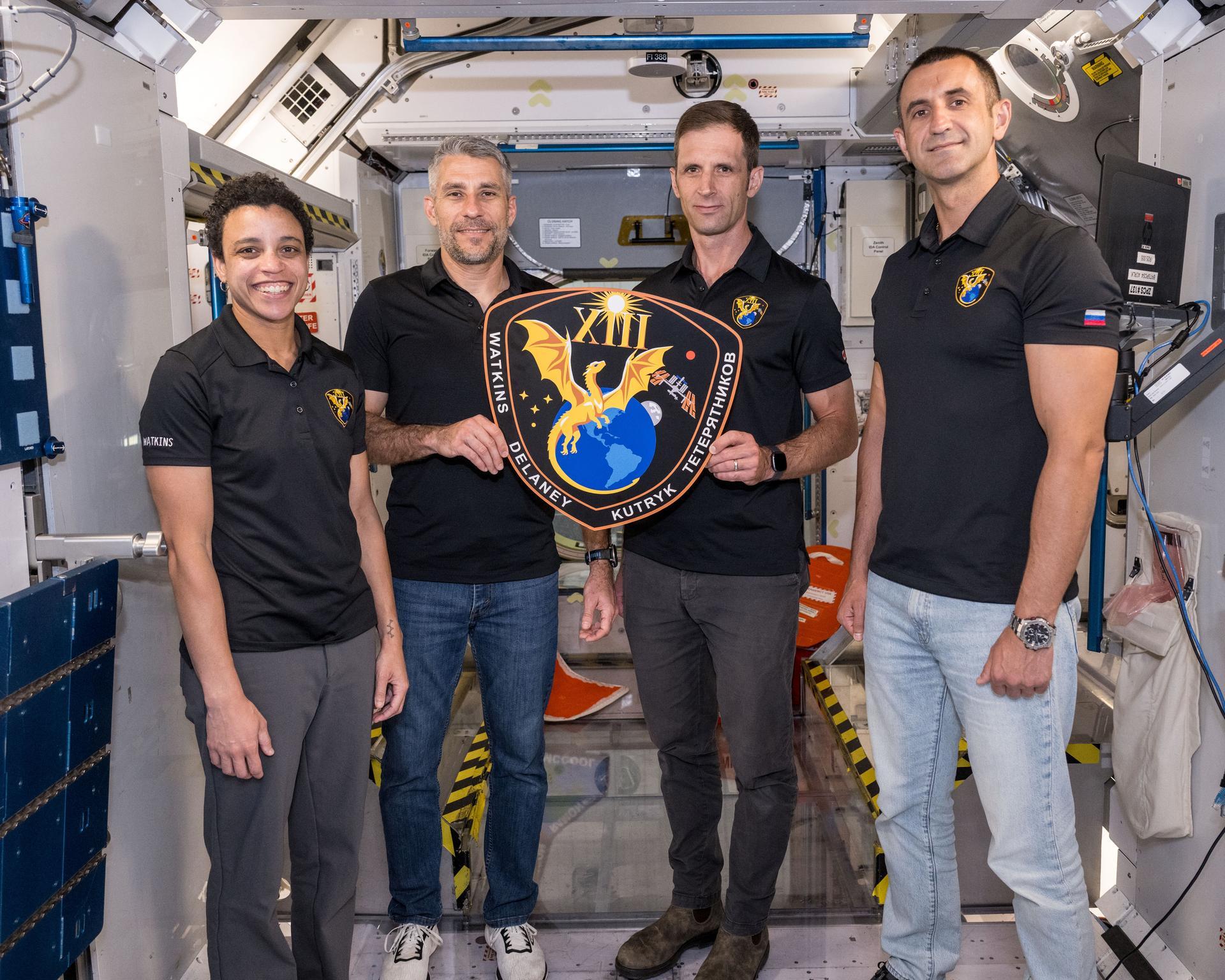
The four members of NASA’s SpaceX Crew-13 mission to the International Space Station display their mission plaque inside a training mockup of a space station module. From left are, Commander Jessica Watkins and Pilot Luke Delaney, both from NASA, and Mission Specialists Joshua Kutryk of CSA (Canadian Space Agency) and Sergey Teteryatnikov of Roscosmos.
NASA and SpaceX are adjusting the launch date for the agency’s Crew-13 mission to the International Space Station to address an oxidizer leak on Dragon’s propulsion system which was detected during standard prelaunch spacecraft processing. Joint NASA and SpaceX teams are performing additional tests and data review and will complete any necessary rework prior to launch. A new target date will be announced once available.
NASA astronauts Jessica Watkins and Luke Delaney will serve as spacecraft commander and pilot, respectively. They will be joined by CSA (Canadian Space Agency) astronaut Joshua Kutryk and Roscosmos cosmonaut Sergey Teteryatnikov, who will serve as mission specialists. After arriving at the orbiting laboratory, Crew-13 will become members of the space station’s Expedition 75. The crew will enter quarantine about two weeks prior to flight from the agency’s Johnson Space Center in Houston.
Crew-13 will lift off aboard SpaceX’s Dragon spacecraft on the company’s Falcon 9 rocket from Space Launch Complex 40 from Cape Canaveral Space Force Station in Florida..
Learn more about the mission by following the commercial crew blog, @NASASpaceOps and @space_station on X, as well as the International Space Station’s Facebook and Instagramaccounts.
Quelle: NASA
----
Update: 24.09.2026
.
NASA, SpaceX Move to Final Crew-13 Prelaunch Prep for Oct. 1 Liftoff
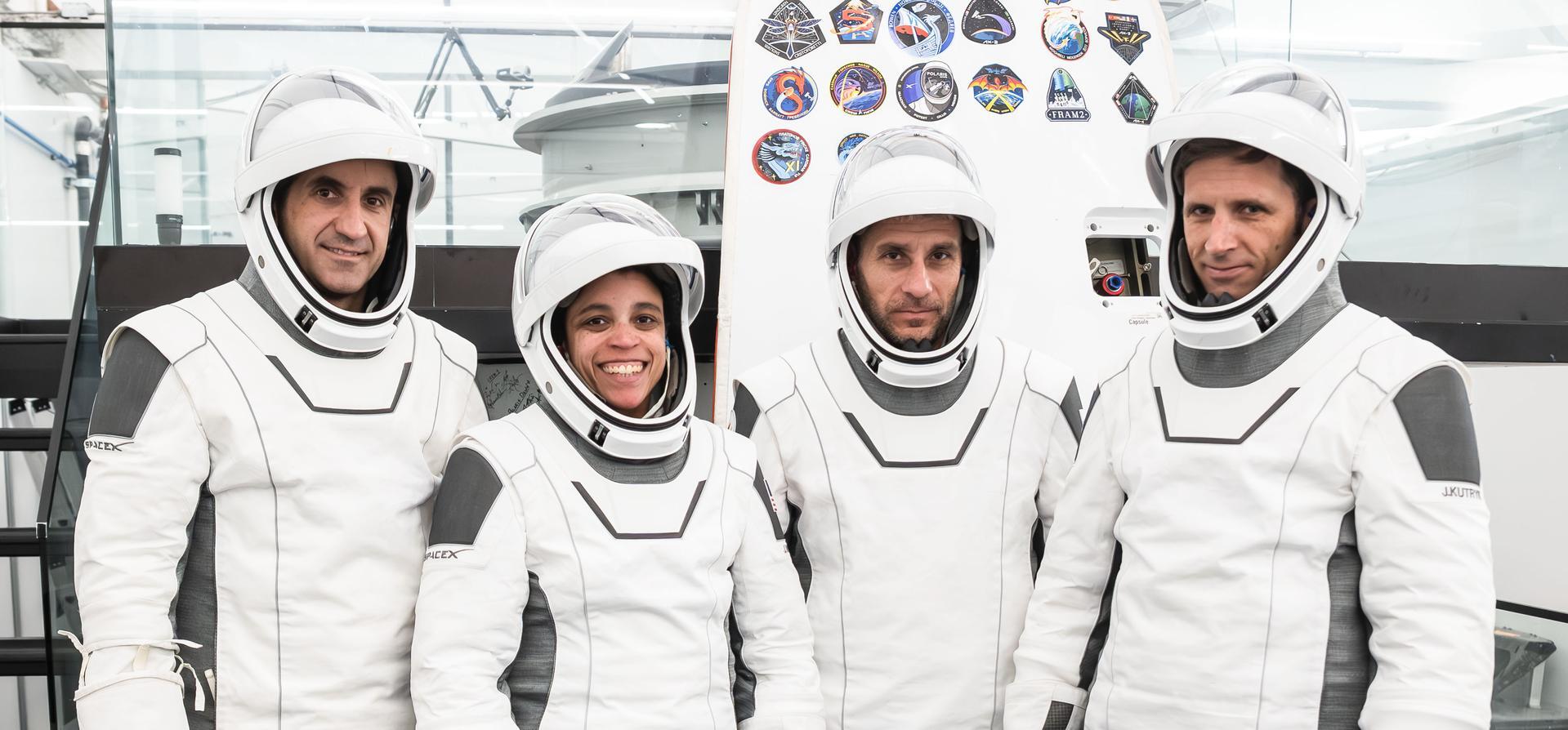
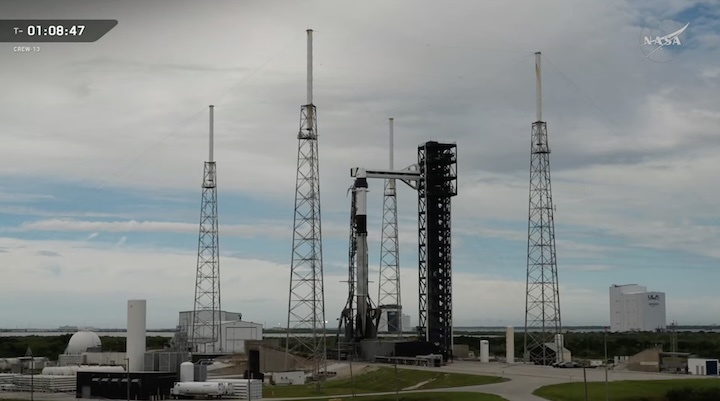
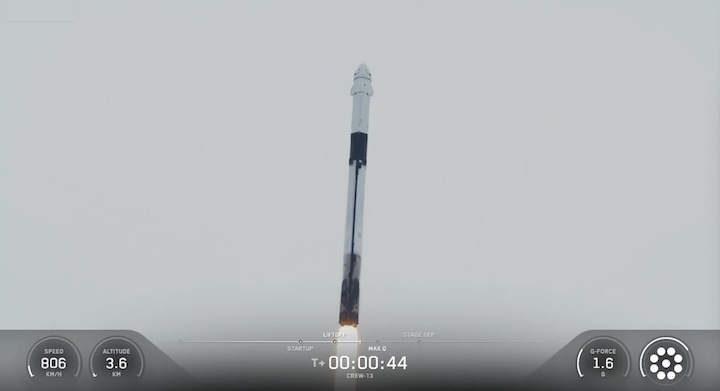
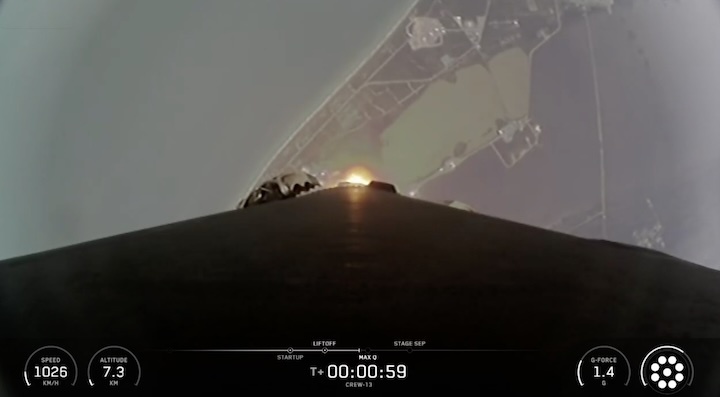
NASA and SpaceX are targeting 11:10 a.m. EDT, Thursday, Oct. 1, as the earliest launch opportunity for the Crew-13 mission to the International Space Station. Over the next several days, teams will complete a series of prelaunch activities and intensive reviews to confirm the crew, the space station, and SpaceX’s Dragon spacecraft, and Falcon 9 rocket are ready for liftoff from Space Launch Complex 40 at Cape Canaveral Space Force Station in Florida.
For an Oct. 1 launch, Crew-13 will arrive at the orbiting laboratory less than nine hours later, with docking planned for about 8 p.m., to the forward-facing port of the Harmony module.
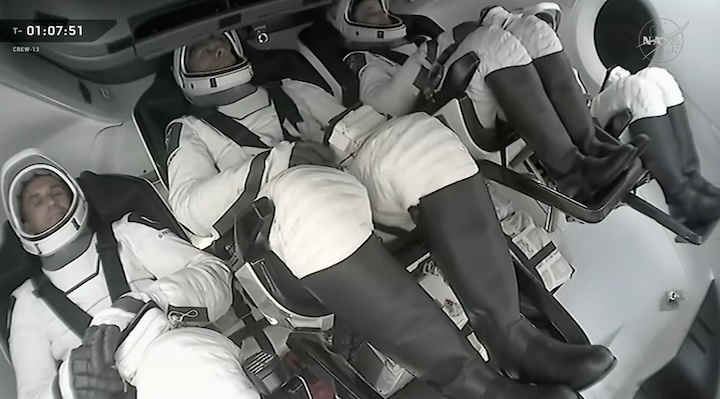
NASA astronauts Jessica Watkins and Luke Delaney will serve as spacecraft commander and pilot, respectively, and CSA (Canadian Space Agency) astronaut Joshua Kutryk and Roscosmos cosmonaut Sergey Teteryatnikov will serve as mission specialists. After arriving at the orbiting laboratory, Crew-13 will become members of the space station’s Expedition 75. Crew-13 is in quarantine at the agency’s Johnson Space Center in Houston and will travel to NASA Kennedy on Saturday, Sept. 26.
Learn more about the mission by following the commercial crew blog, @NASASpaceOps and @space_station on X, as well as the International Space Station’s Facebook and Instagramaccounts.
Quelle: NASA
----
Update: 27.09.2026
.
NASA’s SpaceX Crew-13 Set for Saturday Arrival at NASA Kennedy
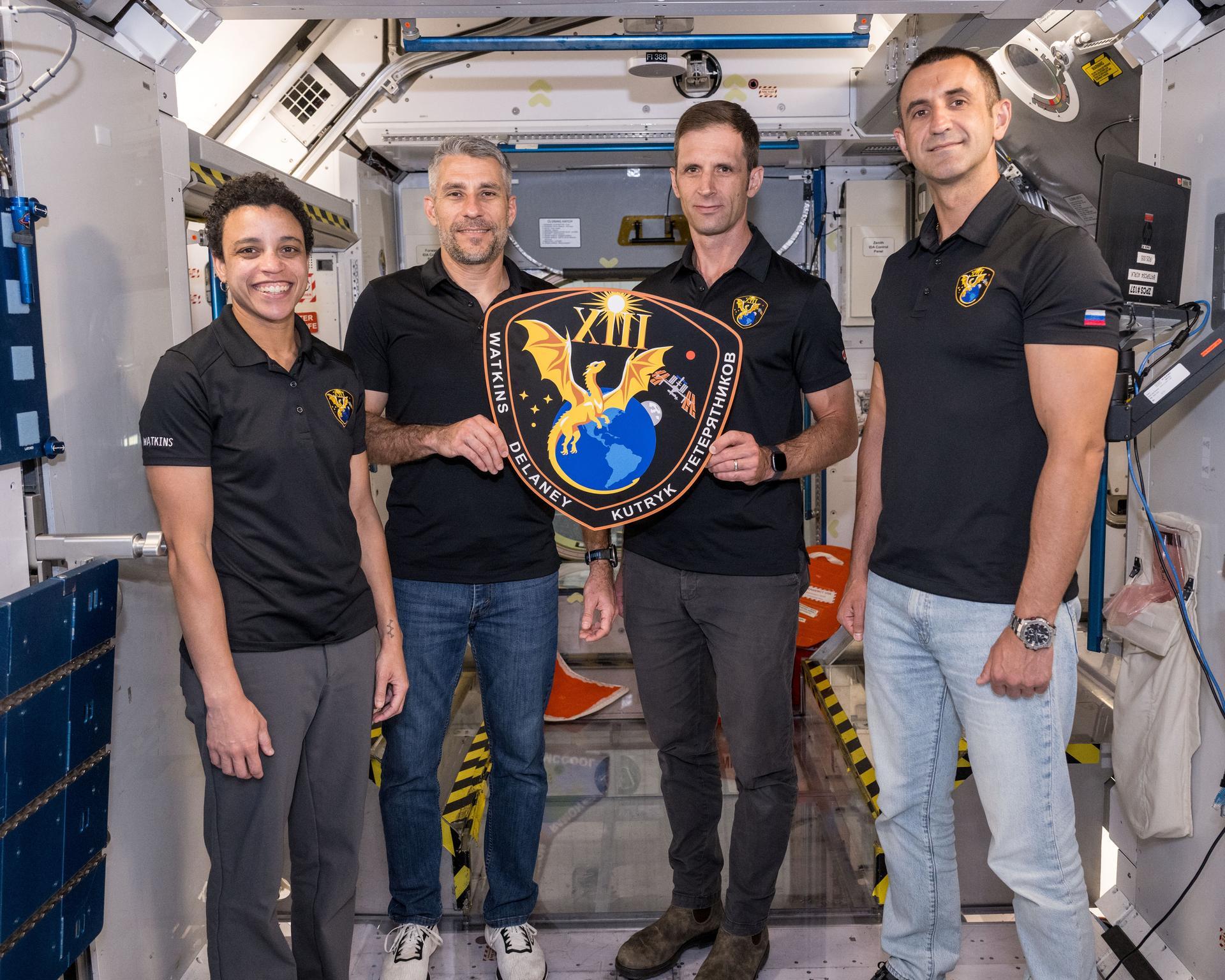
The crew members of NASA’s SpaceX Crew‑13 mission are set to touch down at the agency’s Kennedy Space Center at approximately 1 p.m. EDT on Saturday, Sept. 26, after flying in, arriving from the agency’s Johnson Space Center in Houston to begin their final days of launch preparations.
Watch the crew’s arrival live on NASA Kennedy’s YouTube channel. NASA astronauts Jessica Watkins and Luke Delaney, CSA (Canadian Space Agency) astronaut Joshua Kutryk, and Roscosmos cosmonaut Sergey Teteryatnikov will deliver brief remarks and take questions from media before heading to Astronaut Crew Quarters at Kennedy.
The crew’s arrival marks the start of an intensive period of suit checks, equipment reviews, and mission briefings as the crew prepares for their upcoming journey to the International Space Station. The crew will continue its quarantine protocols and complete final preflight operations, building on weeks of training and readiness milestones leading up to launch, targeted for no earlier than 11:10 a.m. Thursday, Oct. 1.
Quelle: NASA
----
Update: 28.09.2026
.
NASA’s SpaceX Crew-13 Lands at NASA Kennedy
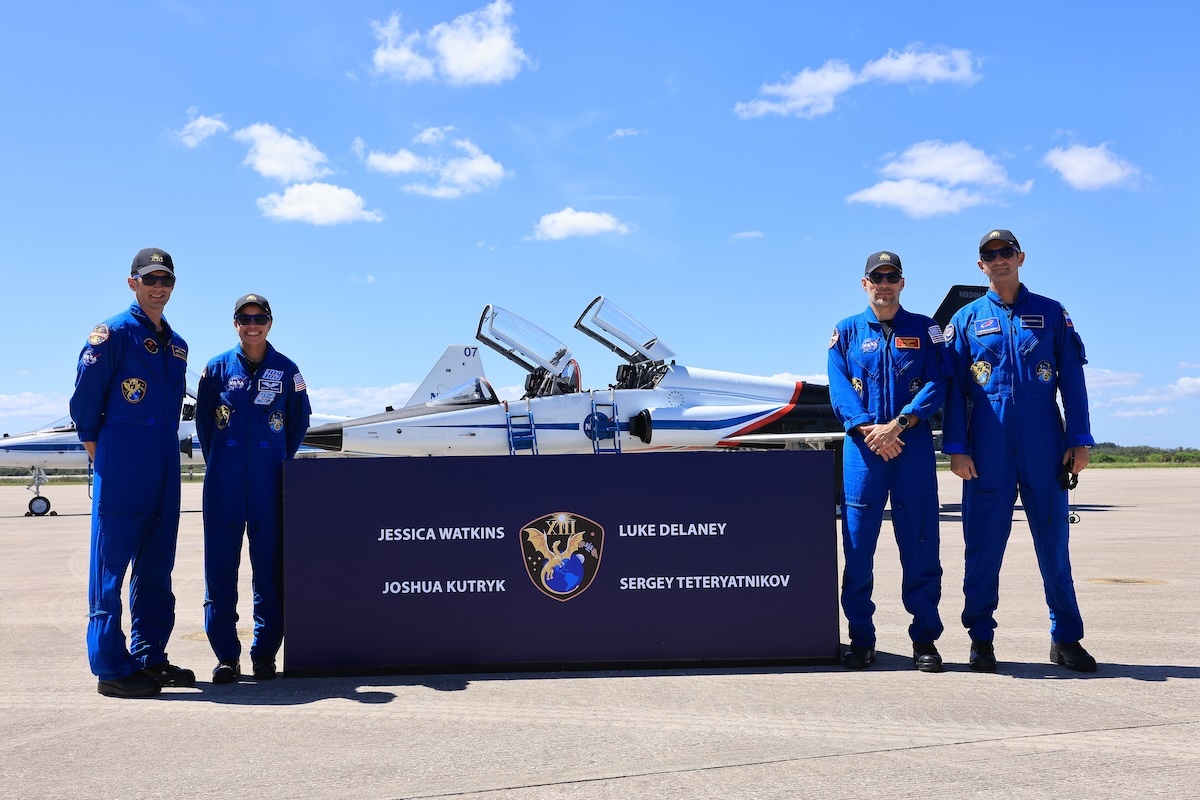
NASA astronauts Jessica Watkins and Luke Delaney, CSA (Canadian Space Agency) astronaut Joshua Kutryk, and Roscosmos cosmonaut Sergey Teteryatnikov touched down at NASA’s Kennedy Space Center in Florida, at 12:56 p.m. EDT, following a flight from the agency’s Johnson Space Center in Houston that included a brief refueling stopover in Mississippi.
A crew arrival media event is streaming live on NASA Kennedy’s YouTube channel, featuring the crew, as well as representatives from NASA Kennedy, and the agency’s Low Earth Orbit Program.
NASA’s SpaceX Crew-13 crew members will spend the remaining days before launch to the International Space Station in quarantine and conducting final preflight operations at Kennedy.
Liftoff aboard a SpaceX Falcon 9 rocket is targeted no earlier than 11:10 a.m. EDT Thursday, Oct. 1, from Space Launch Complex 40 at Cape Canaveral Space Force Station in Florida.
Crew-13 is SpaceX’s 13th crew rotation mission for NASA and the company’s 14th carrying NASA astronauts to the space station, including the Demo-2 test flight.
Quelle: NASA
----
Update: 30.09.2026
.
CREW-13 MISSION Start
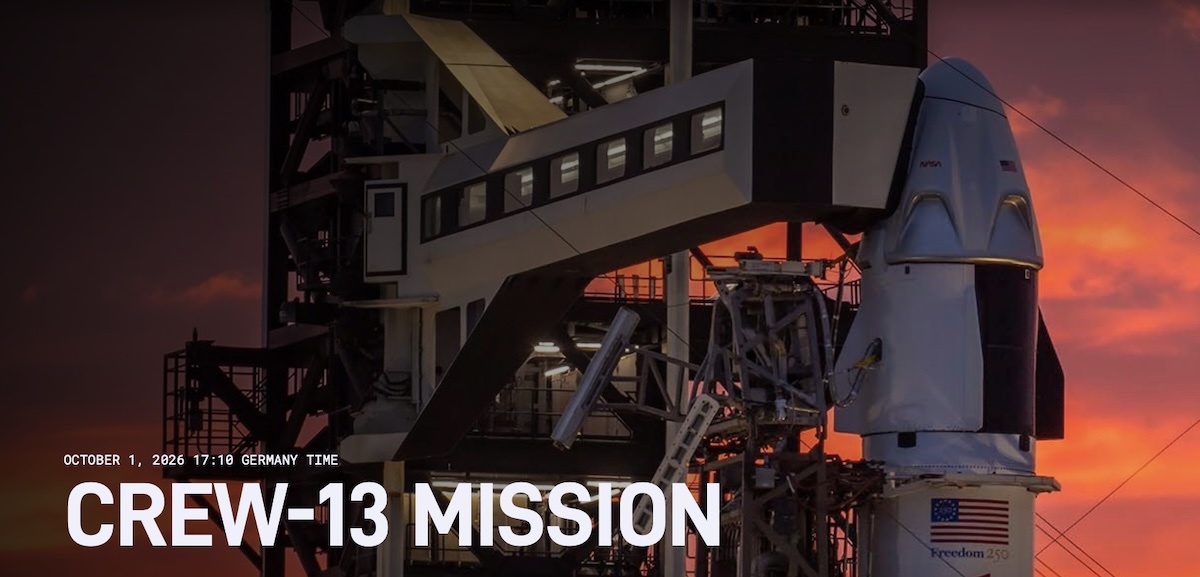
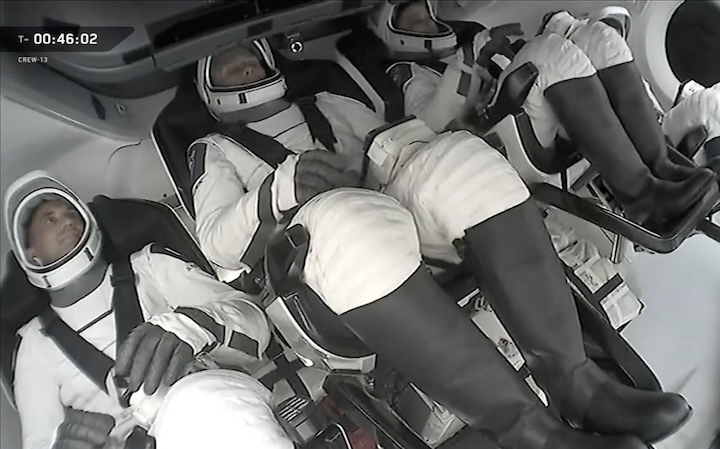
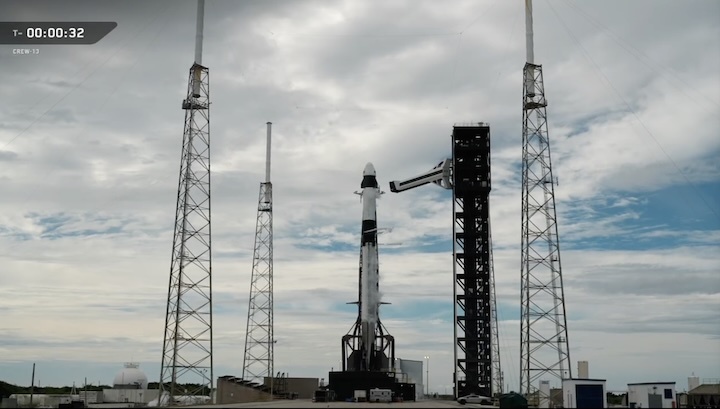
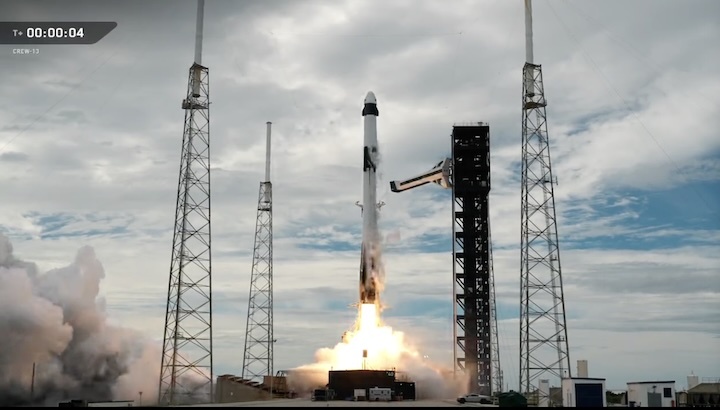
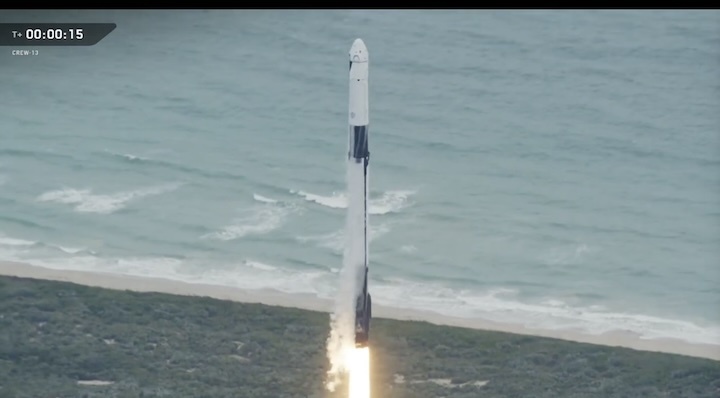
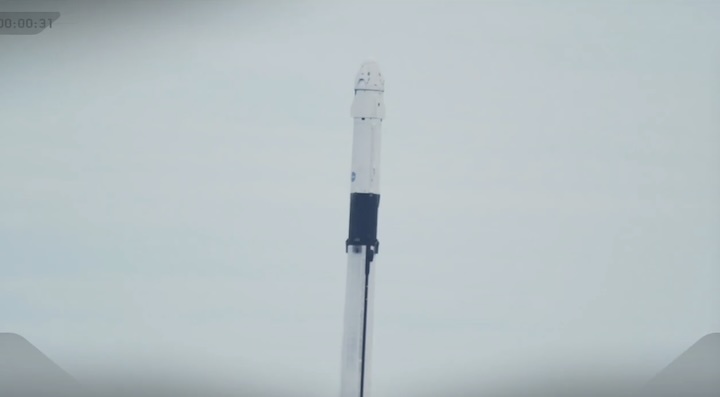
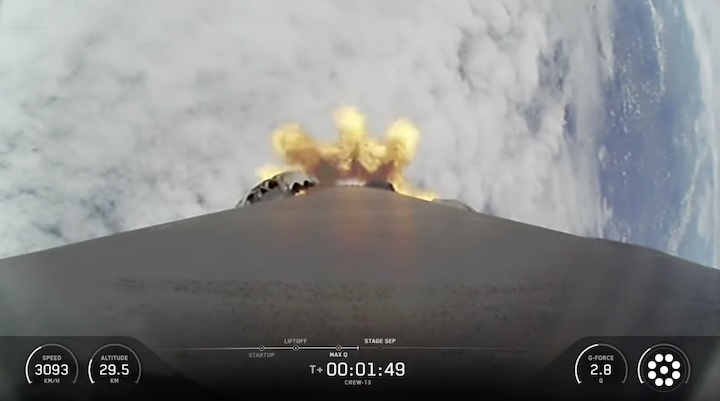
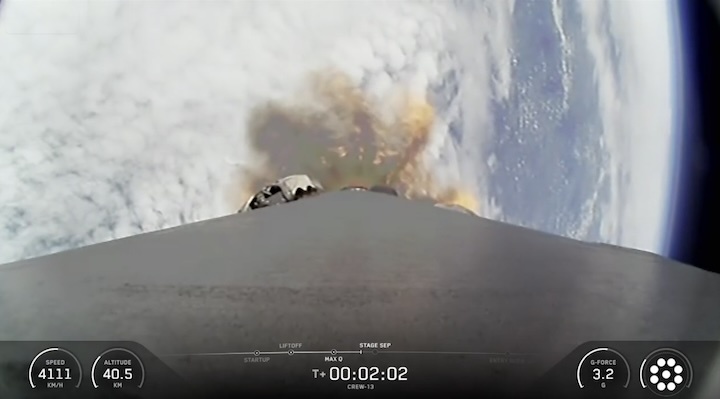
SpaceX and NASA are targeting Thursday, October 1 for Falcon 9’s launch of Dragon’s 13th operational human spaceflight mission (Crew-13) to the International Space Station from Space Launch Complex 40 (SLC-40) at Cape Canaveral Space Force Station in Florida. Launch is targeted for 11:10 a.m. ET, with a backup opportunity available on Friday, October 2 at 10:47 a.m. ET.
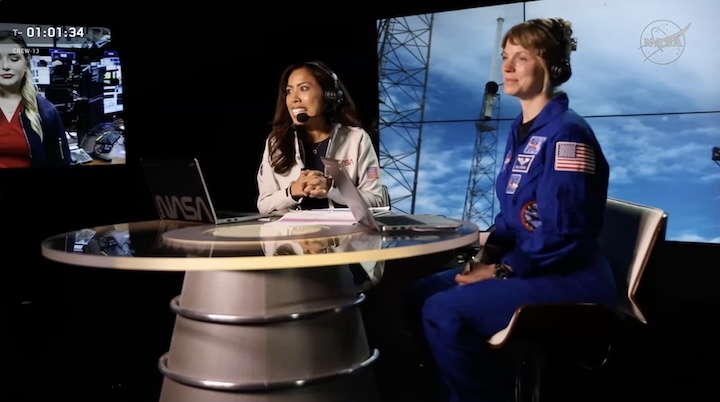
SpaceX’s live webcast of this mission will begin about one hour prior to liftoff, which you can watch here and on X @SpaceX.
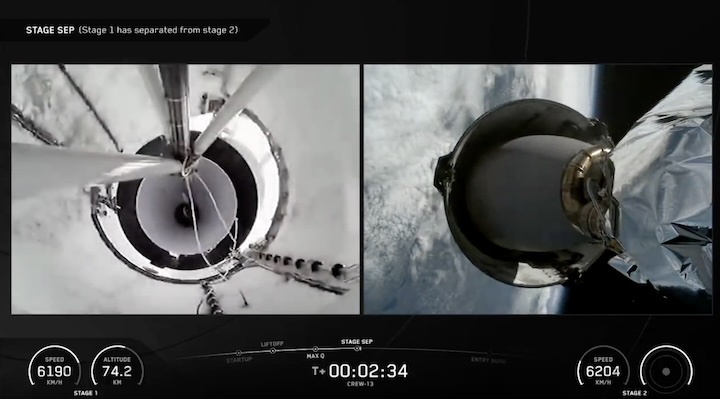
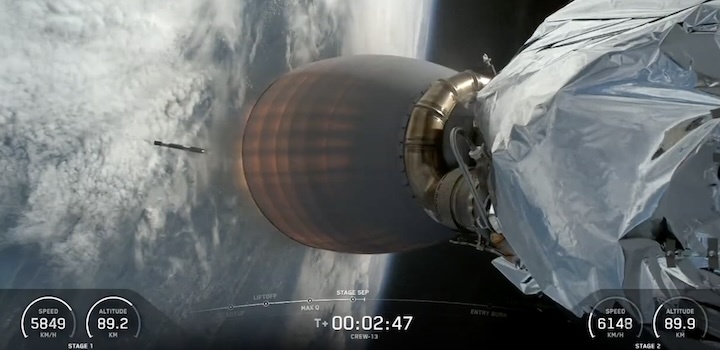
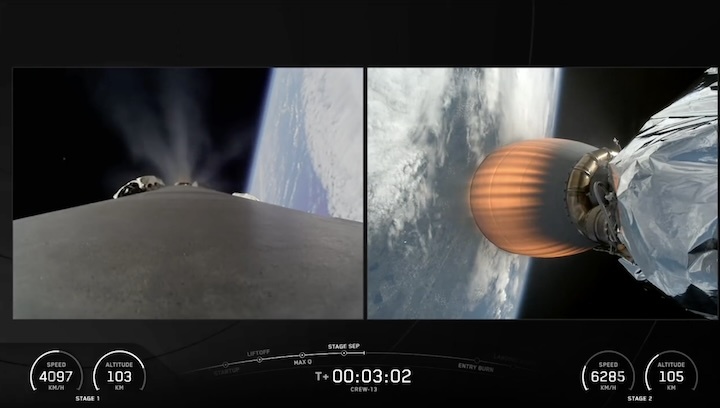
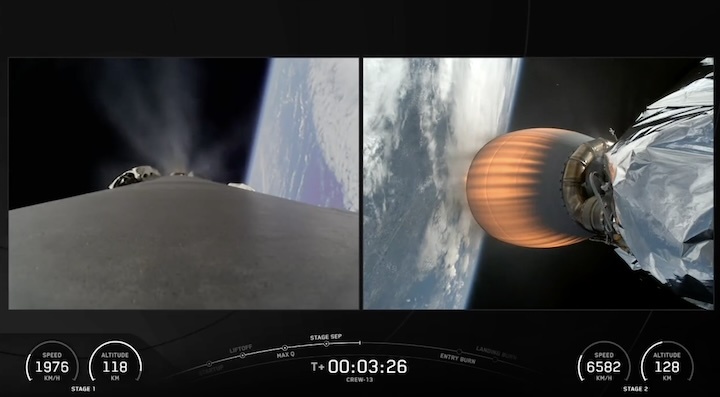
The Dragon spacecraft supporting this mission previously flew the Ax-4, mission to and from the space station. This will be the third flight for the first stage supporting this mission, which previously launched Crew-12 and one Starlink mission. Following stage separation, Falcon 9’s first stage will land on Landing Zone 40 (LZ-40) at Cape Canaveral Space Force Station.
During their time on the orbiting laboratory, the crew will conduct new research to prepare for human exploration beyond low-Earth orbit and to benefit humanity on Earth.
Quelle: SpaceX
----
Update: 1.10.2026
.
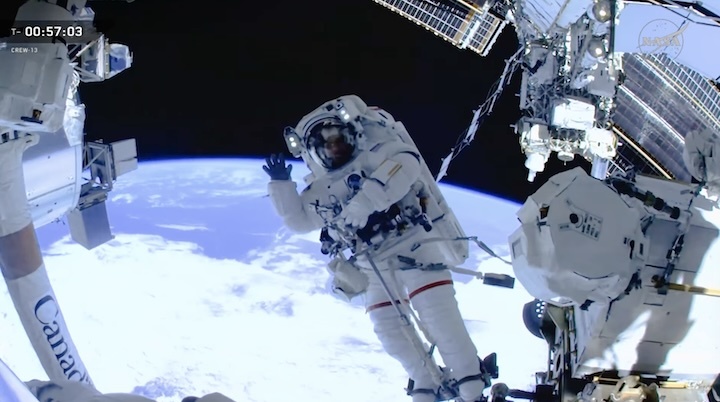
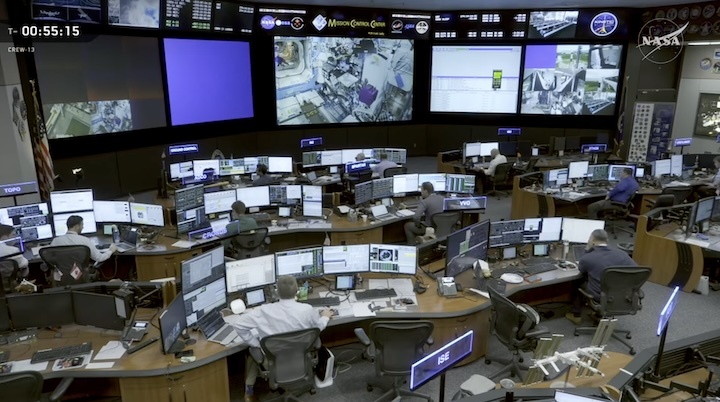
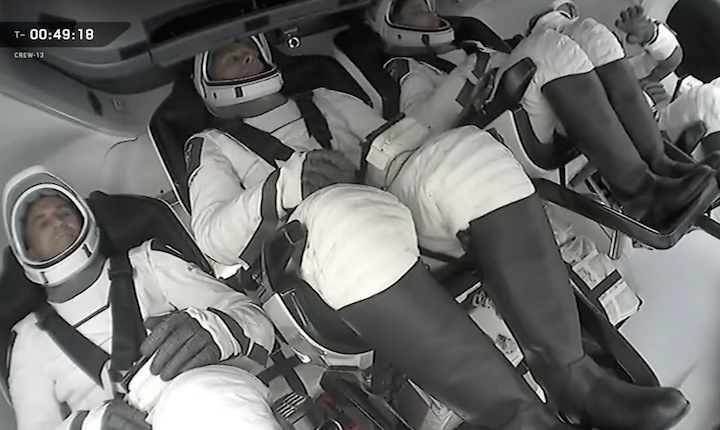
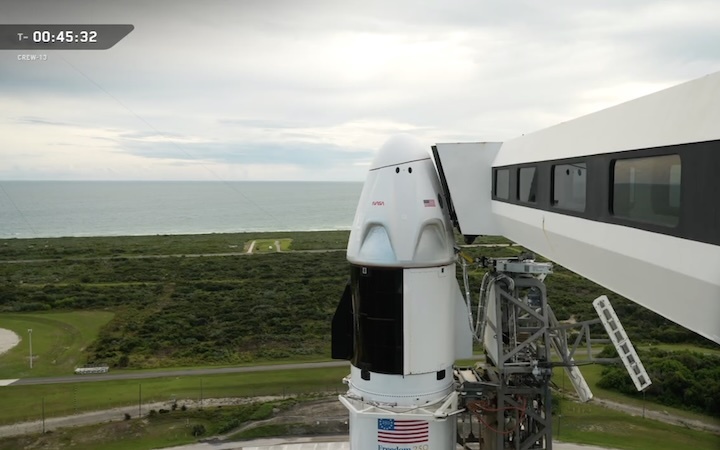
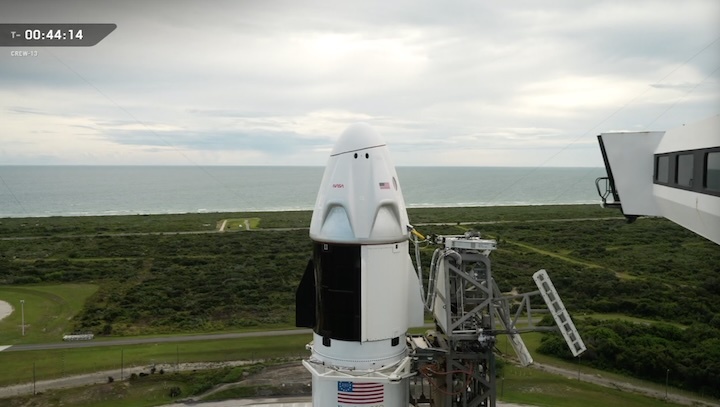
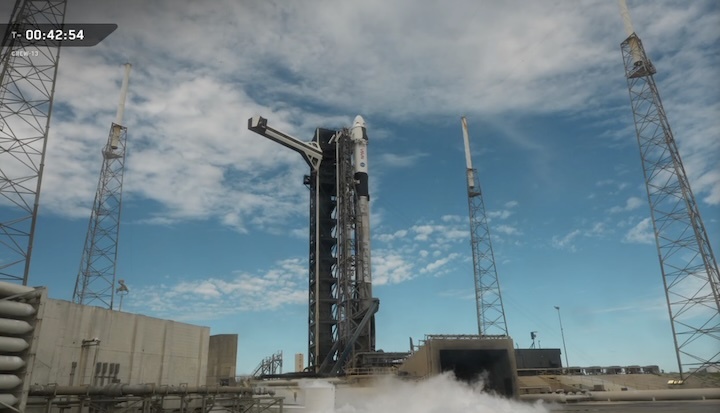
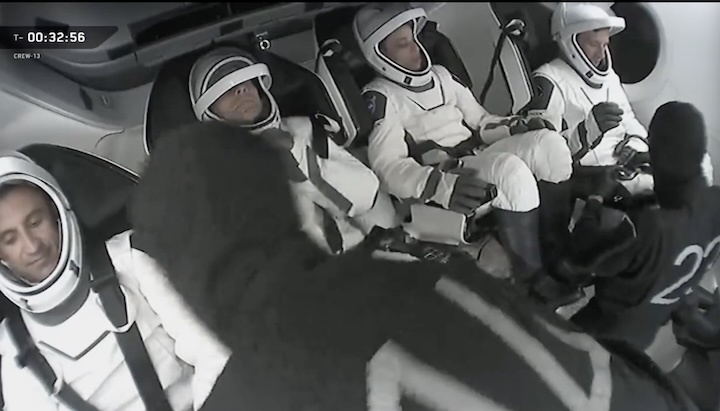
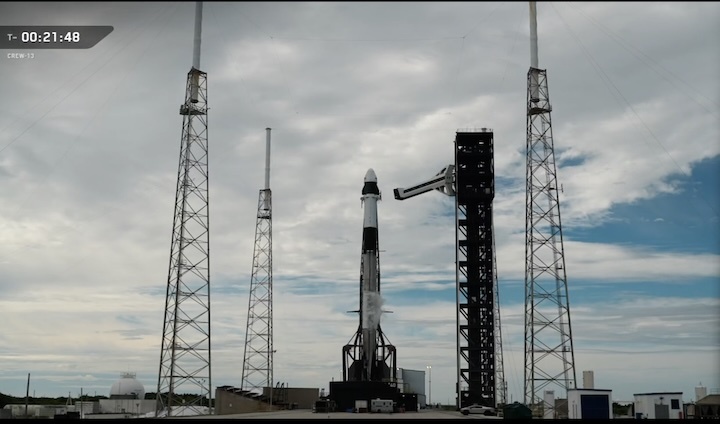
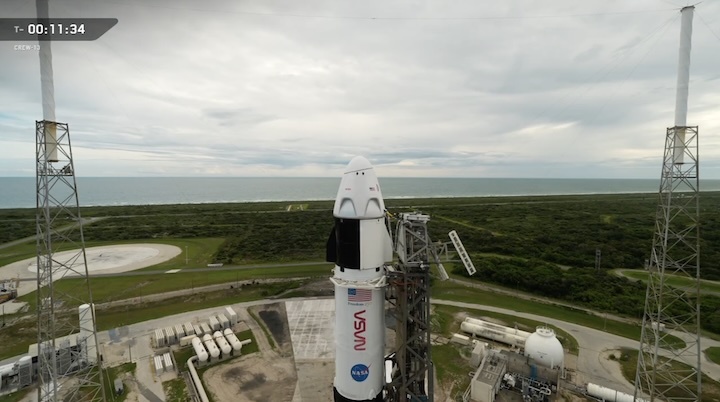
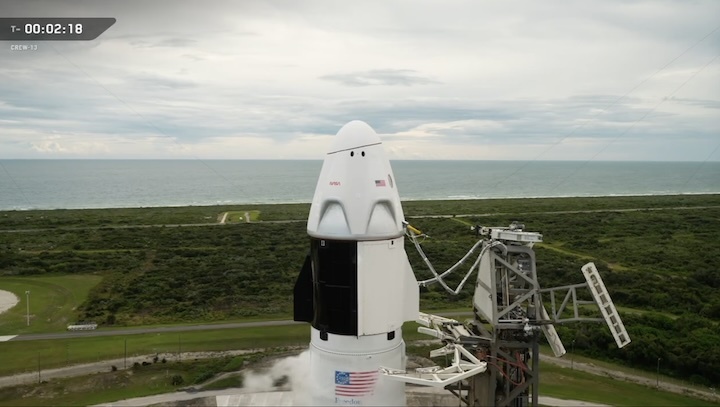
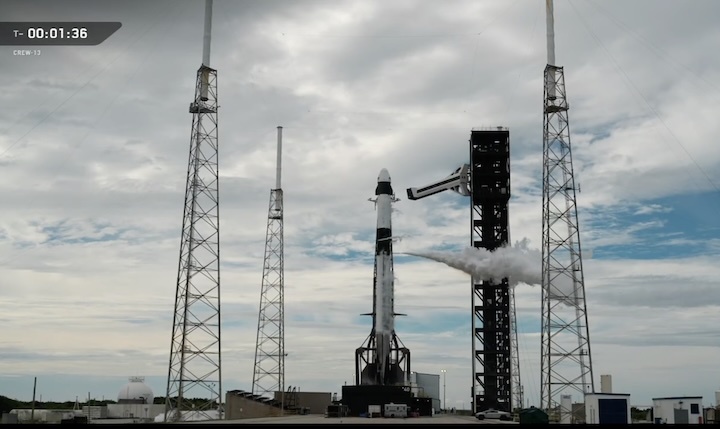
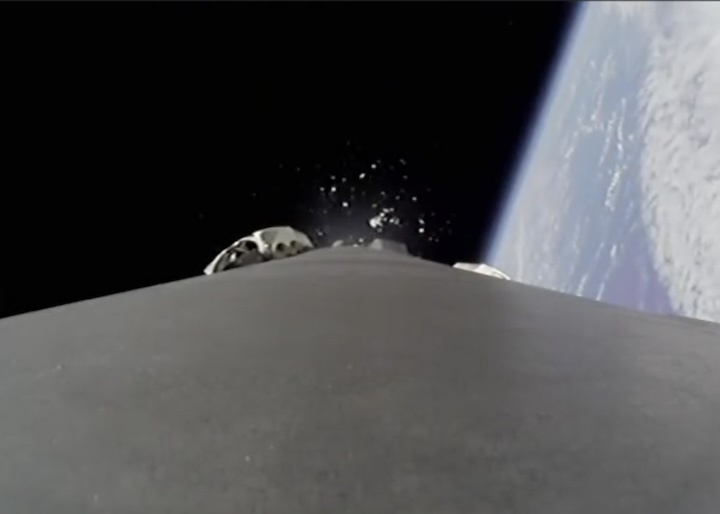
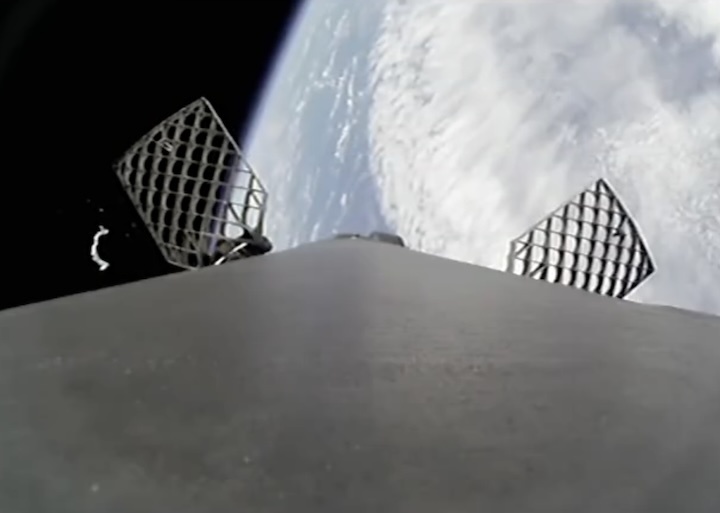
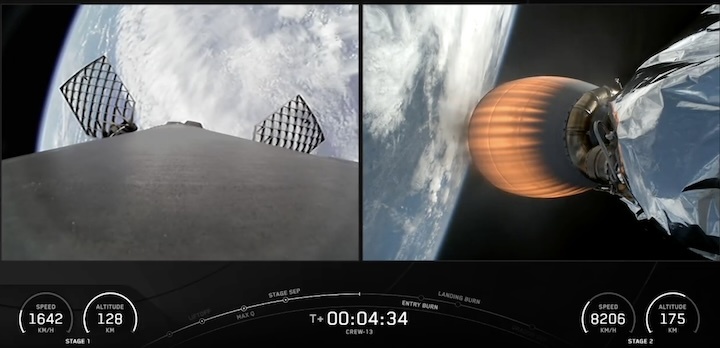
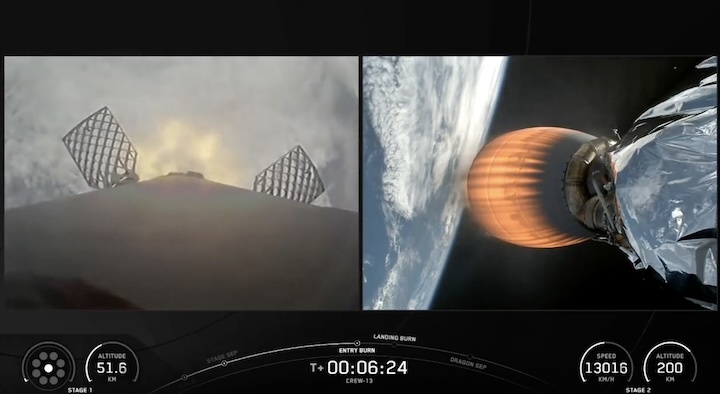
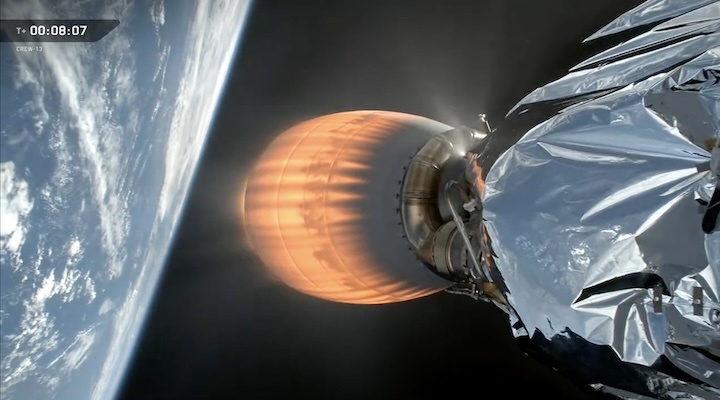
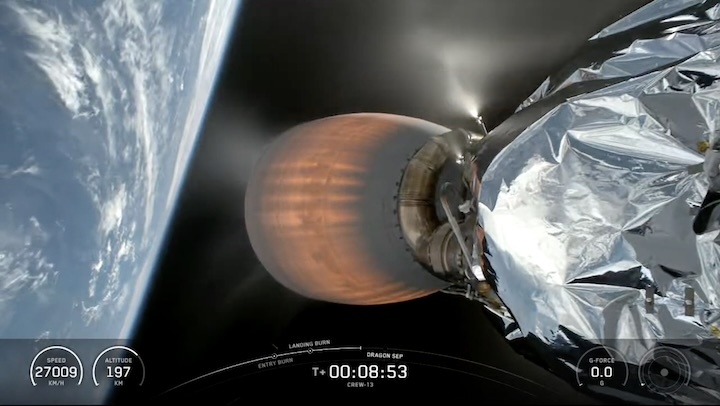
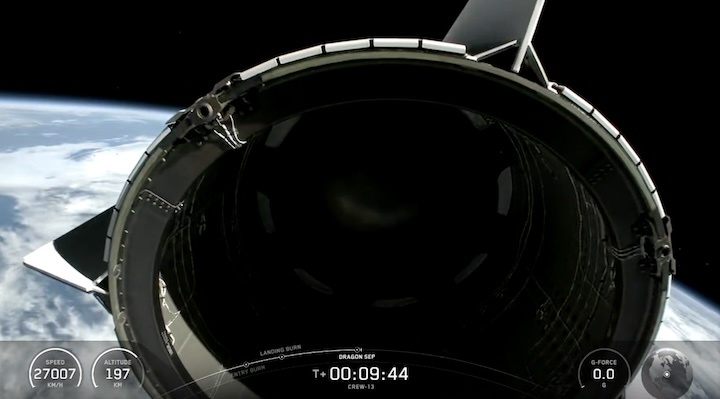
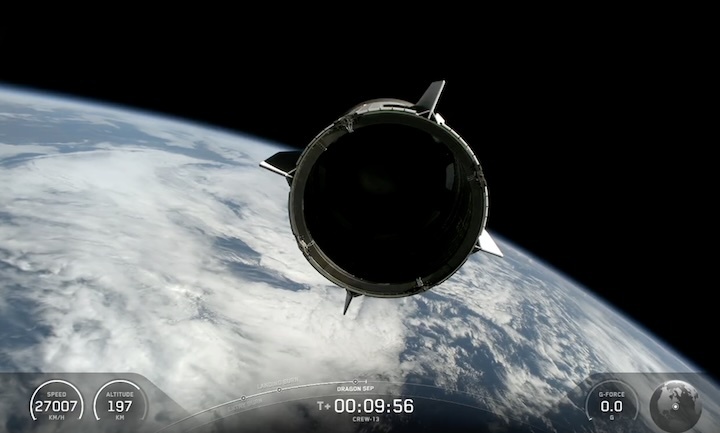
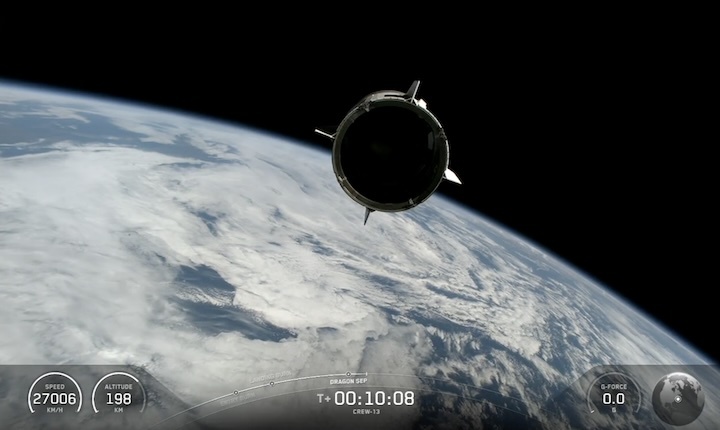
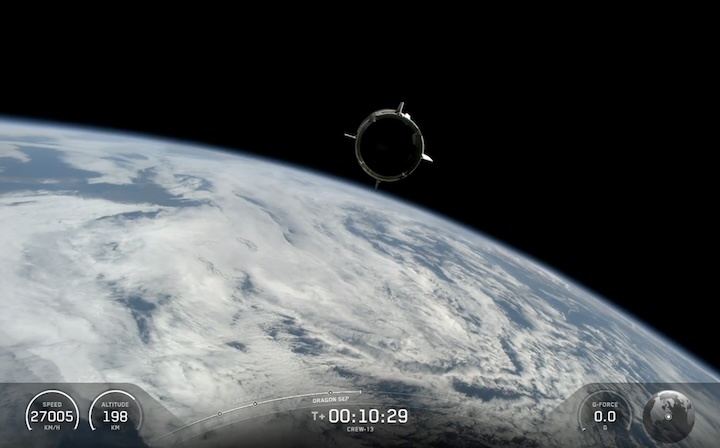
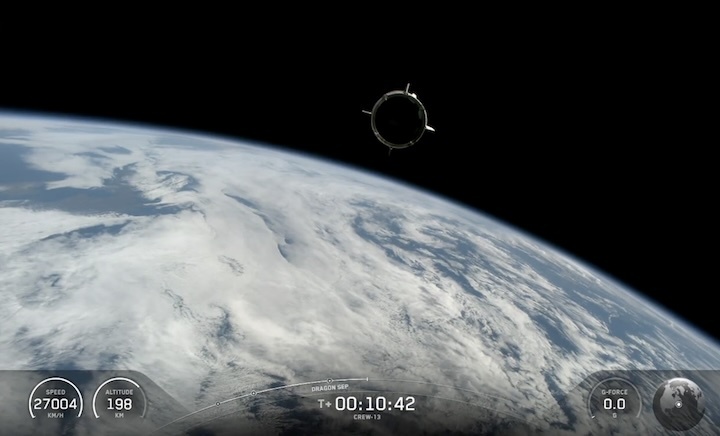
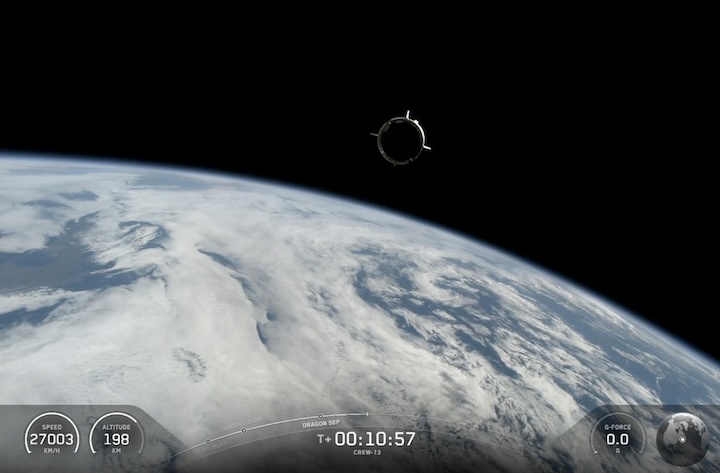
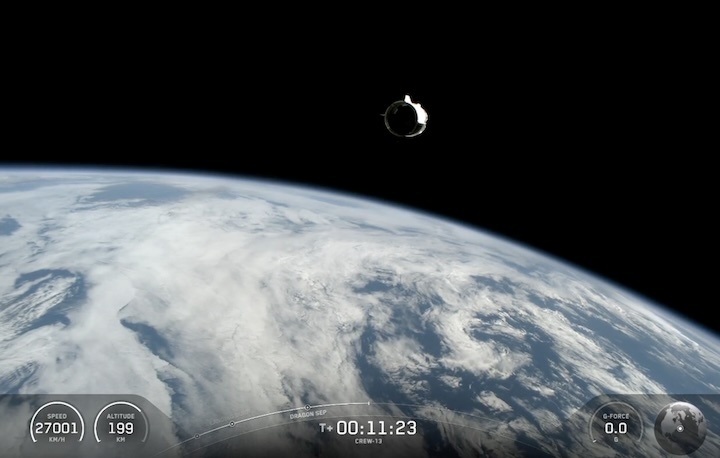
Start von SpaceX Crew-13 ISS-Mission
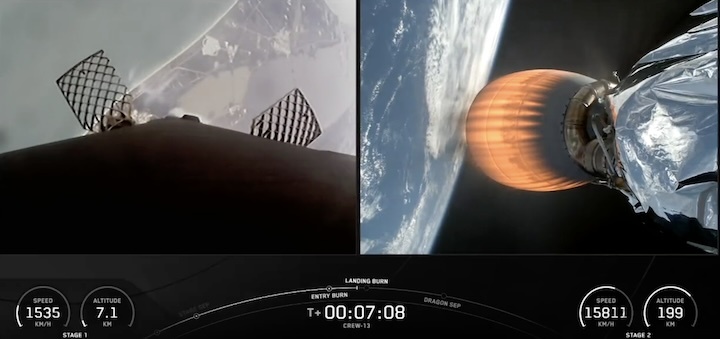
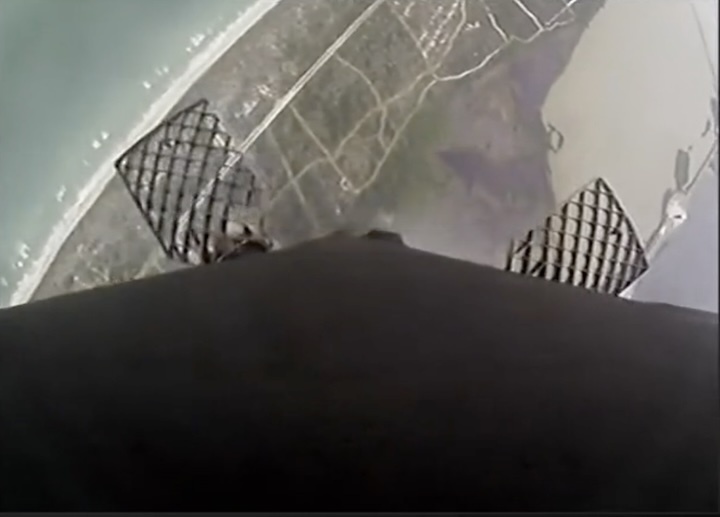
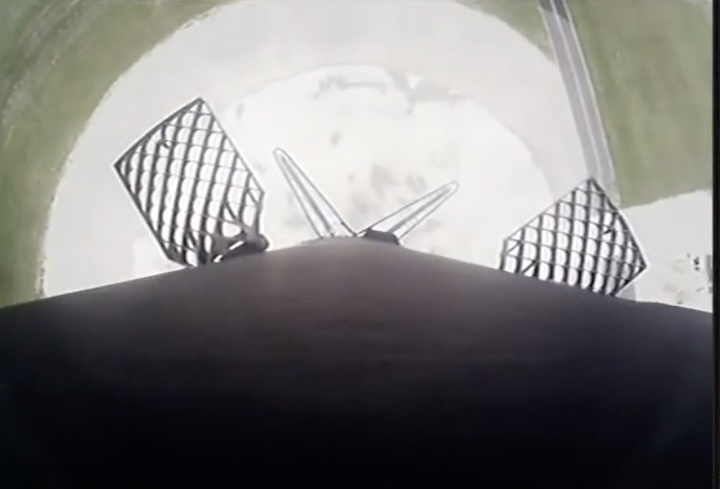
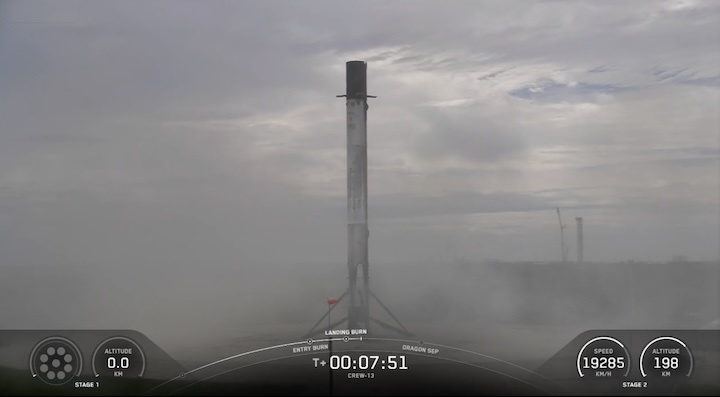
Quelle: SpaceX, NASA