
30-10.2026
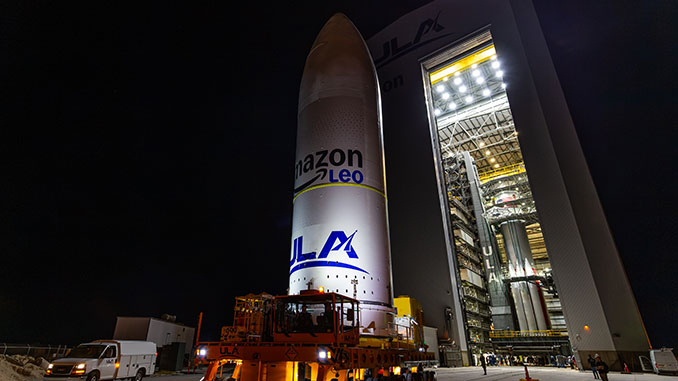
United Launch Alliance said its fledgling Vulcan rocket would return to flight Friday, November 13, after a nine-month grounding due problems with its solid rocket boosters.
This mission, carrying 40 satellites for Amazon’s Leo internet service, will be the fifth flight of Vulcan since it debuted in 2024 and will be the first time it has been fitted with six strap-on solid rocket boosters.
It was nozzle failures on the Northrop Grumman-built solid rockets that put Vulcan flights on hold earlier this year. The rocket’s second flight was marred by the disintegration of a nozzle on one of the two 63XL Graphite Epoxy Motors. United Launch Alliance thought it had put the problem behind it, but a similar nozzle failure afflicted one of the four boosters less than 30 seconds into Vulcan’s fourth flight in February 2026 on the USSF-87 mission. In both cases the methane-fueled first stage and hydrogen-fueled upper stage were able to compensate for the resulting reduced and asymmetric thrust and achieved the intended orbits.
An industry-government team comprising of ULA, Northrop Grumman, and the U.S. Space Force was convened to investigate the most recent incident. ULA didn’t provide any specific details about the findings of the investigation but said in a statement: “The integrated team has made great strides in improving our understanding of the solid rocket booster (SRB) anomaly that occurred on the previous Vulcan flight and have identified several potential contributors which have been mitigated through design and process improvements to the nozzle,”
“This upcoming launch will utilize the improved nozzle design, and additional testing and analysis will continue in parallel with the mission,” the company added. “By flying the improved design, ULA gains valuable flight data that validates these improvements and is the most beneficial path in support of all our customers.”
Earlier this year, Northrop Grumman performed a test firing of a 63XL motor as part of the effort to resolve the nozzle problem.
Spaceflight Now has asked the U.S. Space Force what work, if any, remains before the Vulcan rocket is cleared to fly national security payloads again. This article will be updated, if and when we receive a response.
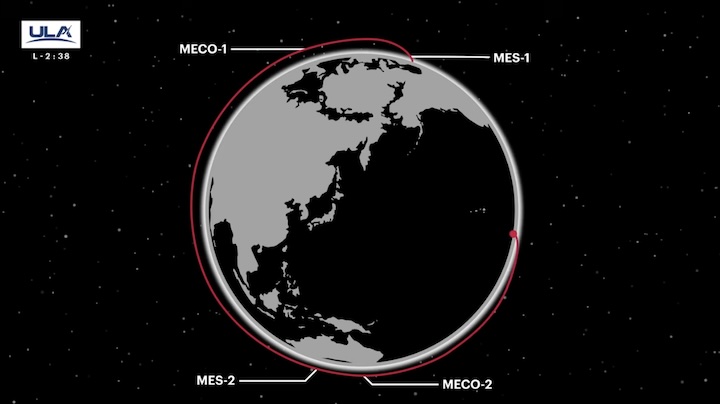
The Vulcan Leo 1 mission will add to the nearly 400 Amazon Leo satellites currently on orbit. The satellites will be deployed from an adapter on the Centaur upper stage over the course of about half an hour.
The retail and tech giant has booked a total of 38 Vulcan launches as it works to assemble its internet-from-space constellation. Previous launches used Atlas 5, Ariane 6, and Falcon 9 vehicles. Amazon had hoped to use Vulcan earlier as it can launch more Leo satellites than any rocket other than Blue Origin’s New Glenn. The loss of the first New Glenn rocket slated to carry Leo satellites in a launch pad explosion in May was another setback to the rollout of the constellation, although the satellites were not attached for the ill-fated test fire.
Assembly of the Vulcan vehicle began on May 14 when the first stage booster was hoisted on to its launch platform inside ULA’s new Vertical Integration Facility, dubbed VIF-A, the ‘A’ standing for Amazon. That was followed four days later by stacking the first LEO-optimized Centaur upper stage onto the booster.
In August, teams rolled the integrated stack out to the pad at Space Launch Complex 41 (SLC-41) to conduct fueling tests. It was then returned to VIF-A where its six solid rocket boosters were recently installed.
The payload fairing containing the 40 Leo satellites departed Amazon’s satellite processing facility near the former shuttle landing strip for attachment to the rocket on Oct. 21.
Amazon said a second vehicle is already assembled for the Vulcan Leo 2 mission in ULA’s original Vertical Integration Facility.
Quelle: SN
----
Update: 6.11.2026
.
Vulcan Cleared For Key Nov. 13 Return-To-Flight Mission
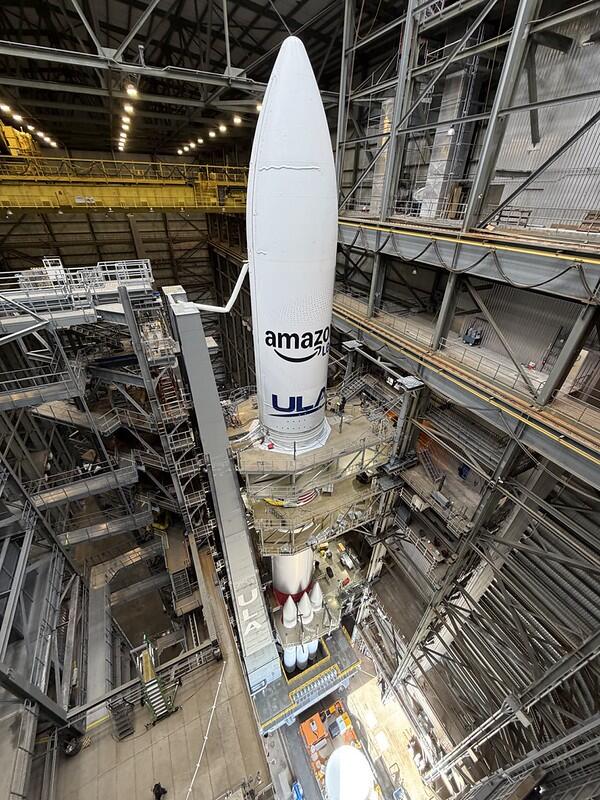
The Amazon Leo mission payload is attached atop a Vulcan rocket in the new Amazon Vertical Integration Facility at Cape Canaveral SFS in preparation for launch Nov. 13.
United Launch Alliance (ULA) is preparing for its first Vulcan rocket launch in nine months, a critical mission intended to not only deliver a batch of Amazon Leo broadband satellites into orbit, but also to demonstrate that design changes to the nozzles of the vehicle’s solid rocket boosters have addressed the failures that marred two of Vulcan’s four flights.
Vulcan’s fifth flight is scheduled to lift off at 12:54 p.m. EST Nov. 13 from Cape Canaveral SFS Space Launch Complex-41. The mission is the first of 38 on Vulcan’s manifest for Amazon, which is in the early phases of building a 3,236-member broadband satellite network in low Earth orbit. So far, about 12% of the constellation has been deployed over 14 launches, including eight by ULA’s Atlas V boosters, which are no longer in production.
If the upcoming Vulcan launch is successful, another 40 satellites are expected to join the Amazon constellation. Meanwhile, Vulcan missions for the U.S. Space Force remain on hold, pending the results of the vehicle’s performance during the Vulcan Leo 1 launch, and possible additional nozzle design tweaks, ULA CEO Mark Peller said Nov. 5 in an interview with Aviation Week.
Vulcan last flew on Feb. 12 on the USSF-87 mission for the Space Force. The launch was successful despite a malfunction of one of the rocket’s four GEM 63XL solid rocket boosters (SRB), built by Northrop Grumman, that occurred about 20 sec. after liftoff. A similar incident occurred during Vulcan’s second mission on Oct. 4, 2024.
Working with Northrop Grumman, the Space Force and other government agencies, ULA conducted what Peller termed a “very thorough investigation” that included testing and analysis of materials, components and a full-scale hot fire of a GEM 63XL.
The company also incorporated modifications to the Blue Origin-provided BE-4 main engines that power Vulcan’s first stage after a BE-4 on a Blue Origin New Glenn rocket exploded on its launchpad during a May 28 prelaunch static fire test. That problem was traced to a main oxidizer valve.
“That BE-4 engine and main oxidizer valve are common to the BE-4s we fly on Vulcan,” Peller said. “They did develop a design improvement to that valve to mitigate that issue. We already had 15 shipsets of BE-4 engines [30 engines] in our inventory—most of those installed on rockets—and so they developed a retrofit kit, tooling and procedures, and then qualified those processes and qualified that design change very rigorously through hot fire testing.
“They were down at our facilities probably a couple months ago and implemented that retrofit kit on the engines on this upcoming mission,” Peller said. “And they're working with us to work through our inventory of engines on vehicles” at the Cape and in the production flow at ULA’s manufacturing facility in Decatur, Alabama.
The fix for the SRB anomaly was more complicated and time-consuming. The first failure was traced to a workmanship issue on a component deep inside the nozzle—Peller declined to release details—that appeared to be resolved by the boosters’ successful performance during Vulcan’s third mission in August 2025.
Six months later, however, the SRB booster issue resurfaced, prompting a new investigation, this time with the benefit of recovered debris for analysis. "That really helped accelerate our learning," Peller said.
“We have a much better understanding of the behavior of the nozzle and the vulnerabilities the previous design had,” he added. “We’ve identified three credible causes, an we have taken positive steps to mitigate all of those.”
The SRB investigation remains ongoing. “There are some other things we are interested in working that could provide increased confidence in those causes, and we have some other potential improvements on the back burner, which depending on the results of that investigation, we could roll in for future flights to further improve the robustness of the nozzle and our confidence in it,” Peller said.
“What we do here is not without risk,” he added. “We work very hard to simulate the environments of flight through either analysis or testing, but there are always limitations. Just like we learned through the first four missions of Vulcan, various aspects of how that system performed and how the SRB performed, we are looking at this as a learning opportunity to further advance our understanding of how the nozzle performs and how effective this corrective action was.”
ULA returns to flight with a second launch-processing capability at the Cape, roughly 15 rockets in its inventory, and a backlog of more than 70 missions, filling Vulcan’s calendar through the end of the decade.
Peller hopes to follow the Amazon Leo 1 mission with another Vulcan launch this year, then ramp up toward a twice-a-month tempo—a pace expected to be dictated by Northrop Grumman's production of new nozzles through April.
ULA is aiming to introduce Vulcan launch services from Vandenberg SFB in California in the first quarter of 2027.
Quelle: AVIATIONWEEK
----
Update: 13.11.2026
.
Vulcan Rocket Moved To Pad For Return-To-Flight Mission
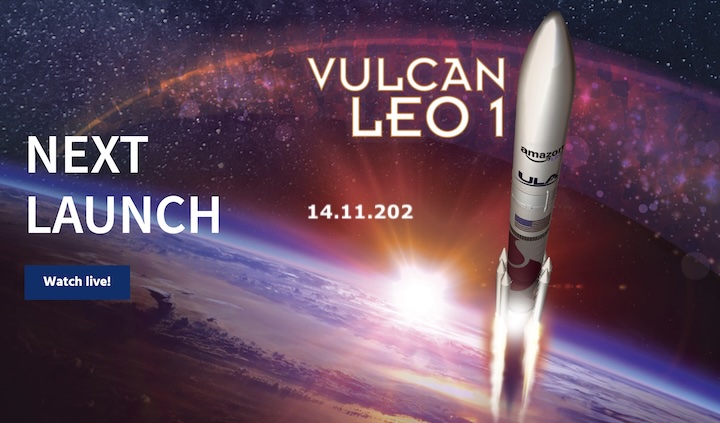
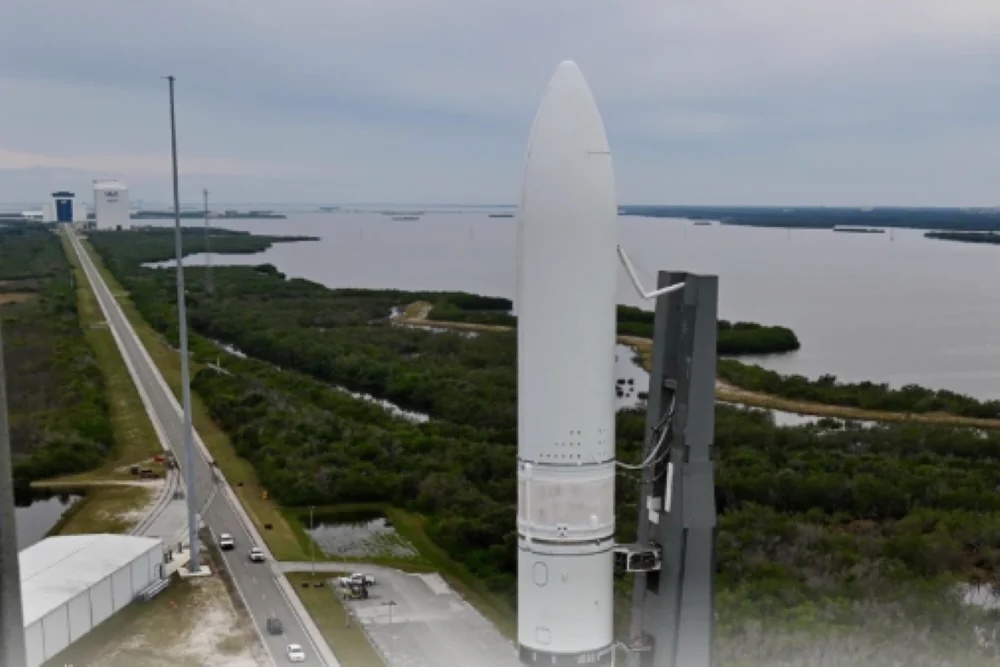
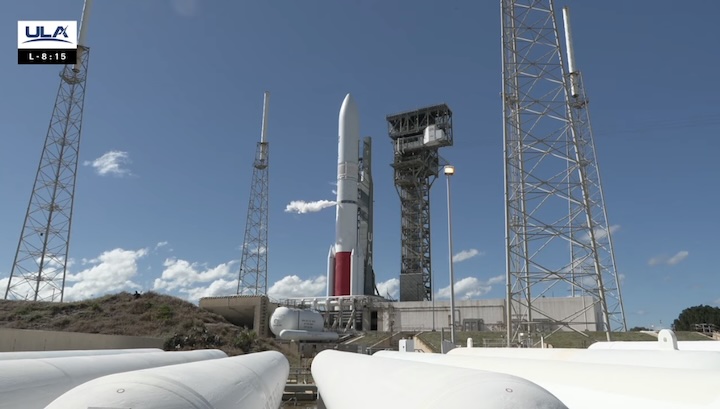
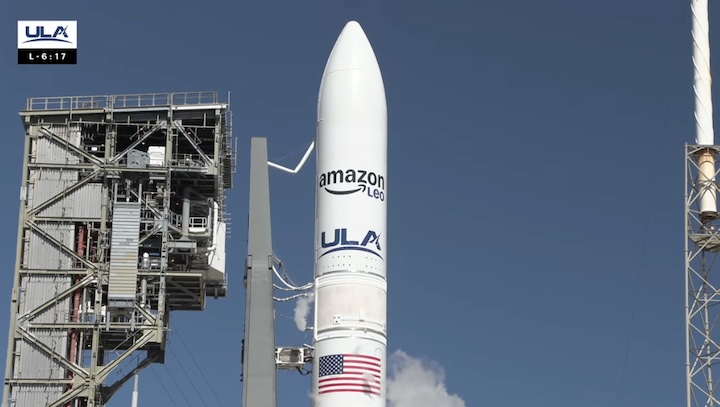
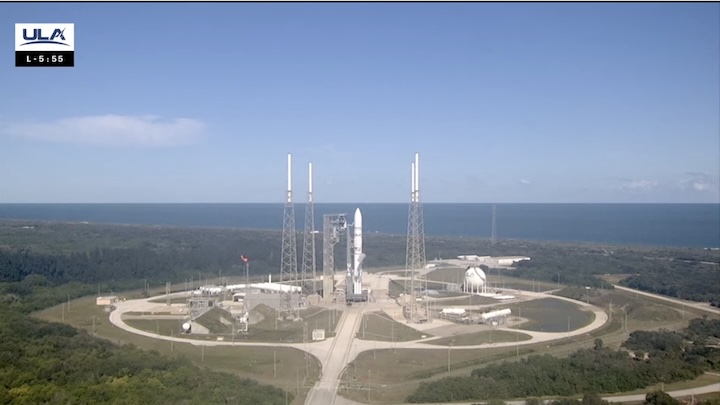
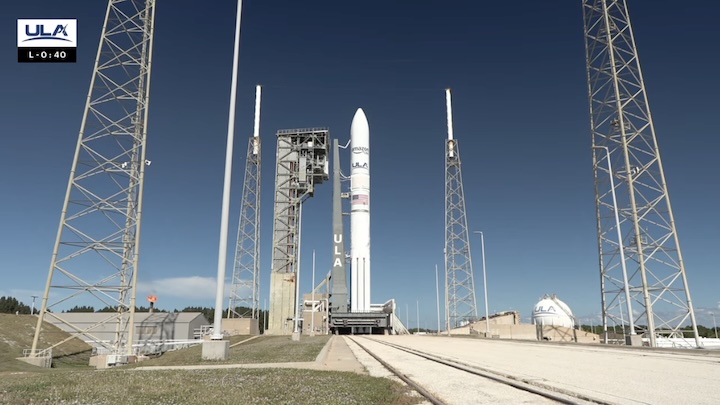
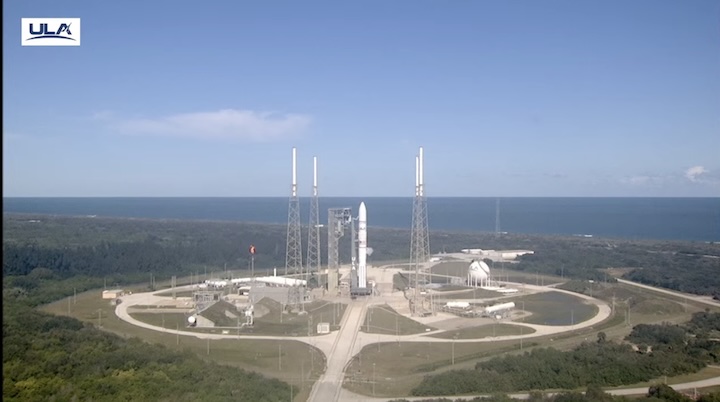
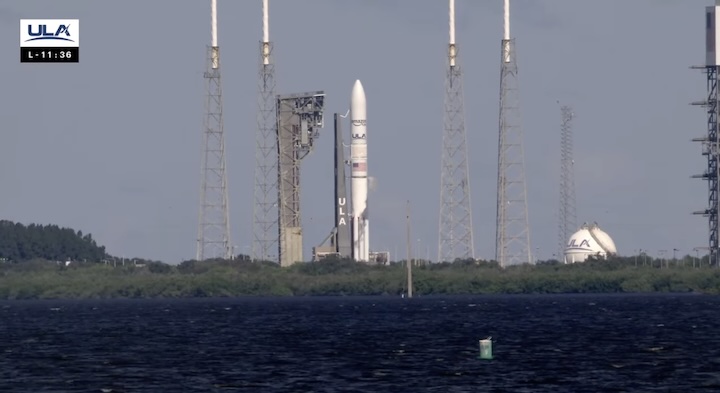
The fifth Vulcan rocket is scheduled to lift off between 12:54-1:23 p.m. EST Nov. 13 from Cape Canaveral SFS.
ULA delays to Sunday Vulcan rocket launch of 40 Leo satellites for Amazon
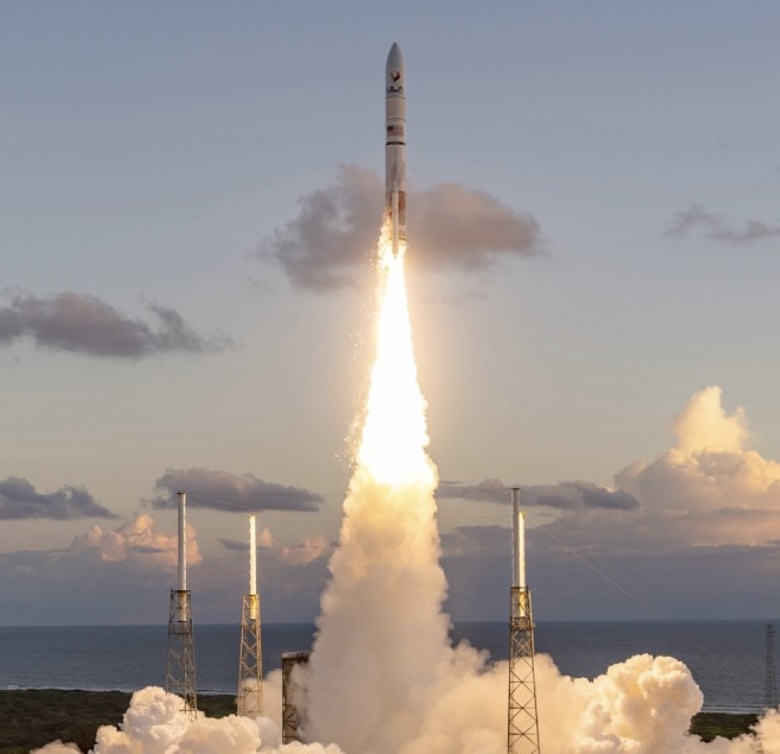
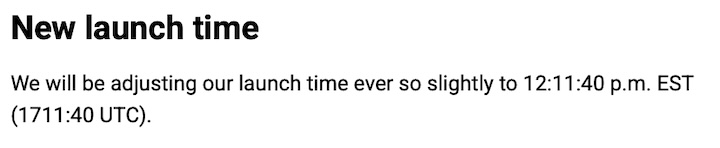
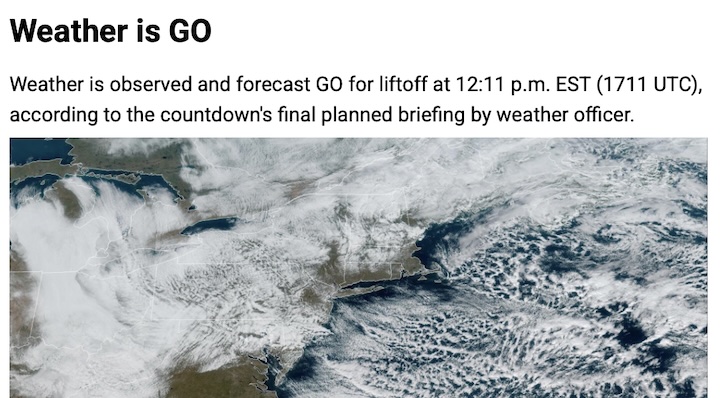
Update: Launch has now slipped to Sunday at 12:11 p.m. EST (1711 UTC) due to a network communication issue between the ground and the rocket that could not be resolved in time for Saturday’s launch window.
United Launch Alliance will try again Saturday to launch its Vulcan rocket after a power interruption at a nitrogen plant scrubbed Friday’s attempt, further postponing the 215-foot-tall vehicle’s return to flight after solid rocket booster nozzles failed on two of its first four missions.
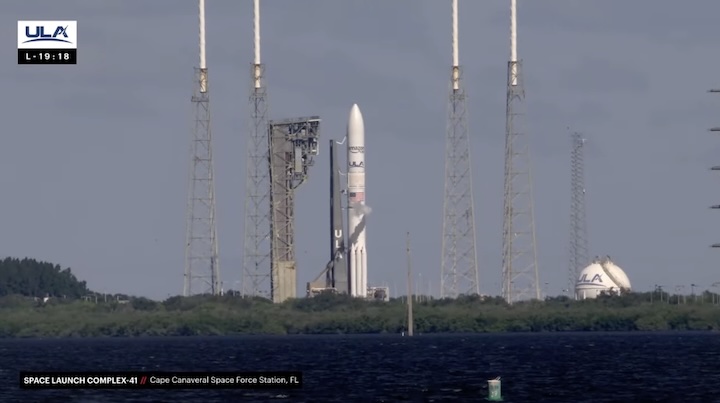
Liftoff from Space Launch Complex 41 at Cape Canaveral Space Force Station is now scheduled for 12:32:30 p.m. EST (1732:30 UTC) Saturday, Nov. 14. ULA said the rocket and the 40 Amazon Leo satellites it carries remain healthy.
“The launch of a United Launch Alliance Vulcan rocket carrying the Amazon [LV-01] mission is delayed due to a power interruption in the Air Liquide gaseous nitrogen plant which resulted in the loss of their high-pressure pumps,” ULA said in a statement Friday morning. “Without confirmation of sustained commodity flow, the team has decided to realign the launch to the back-up opportunity.”
Quelle: SN
----
Update: 15.11.2026
.
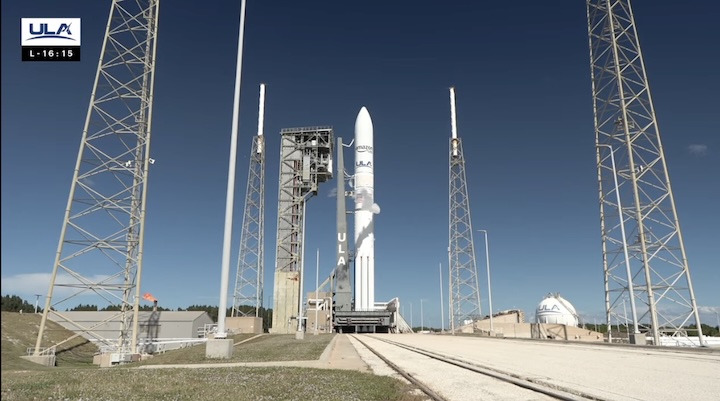
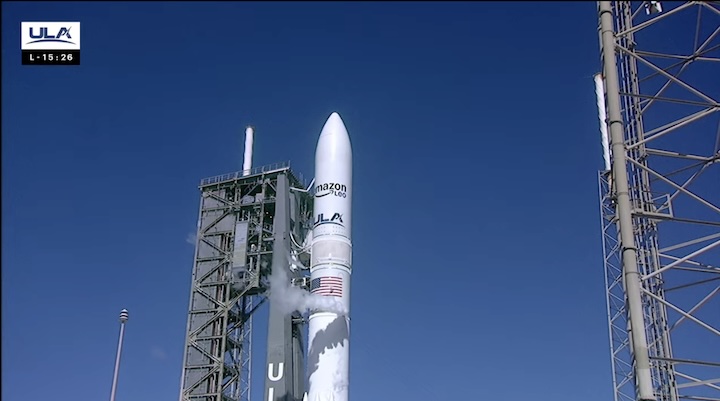
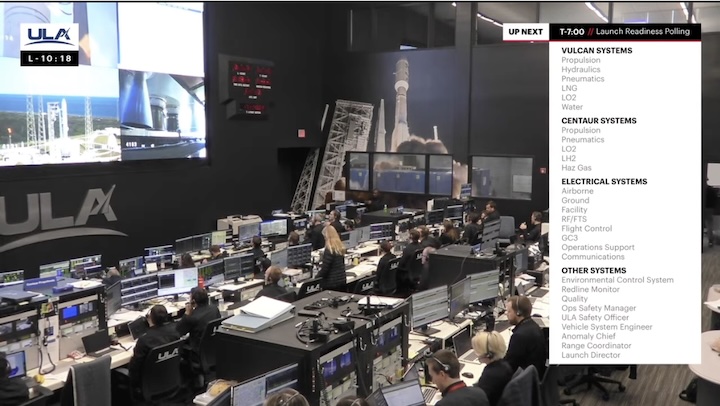
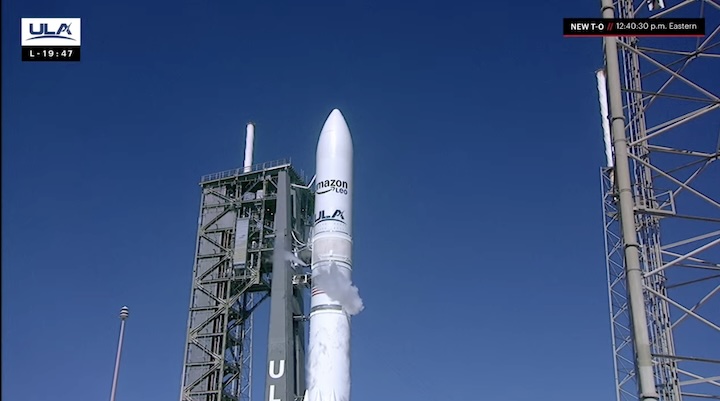
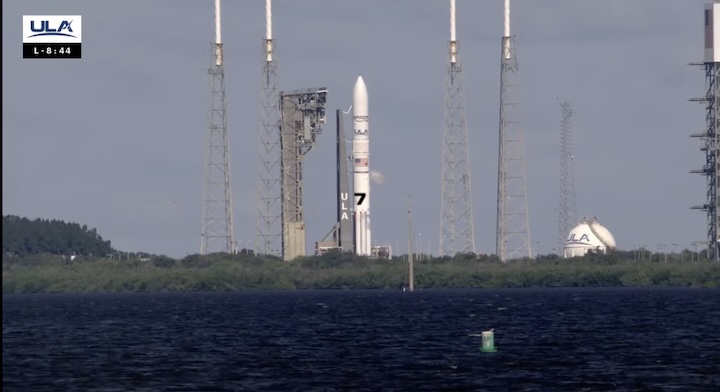
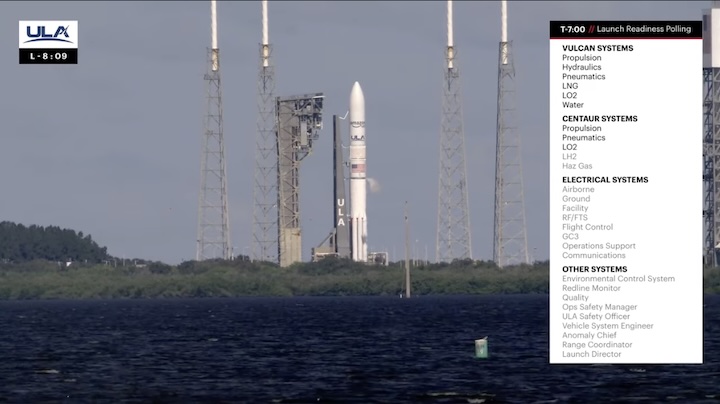
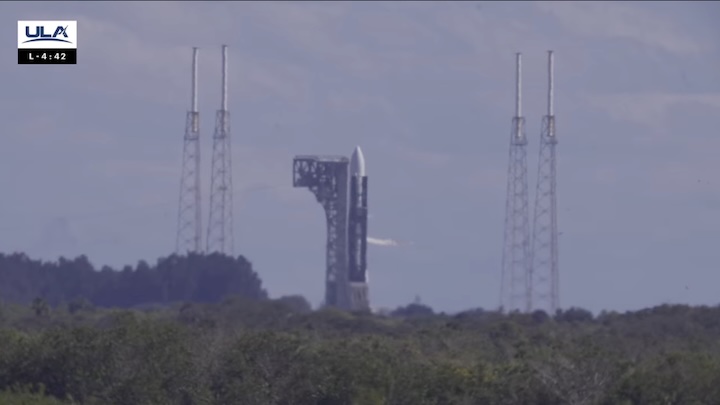
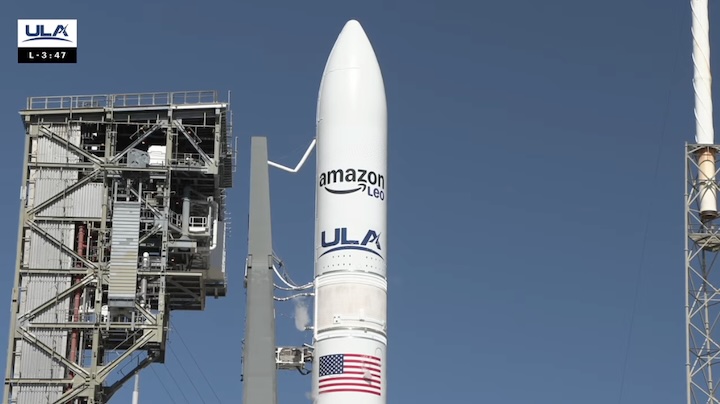
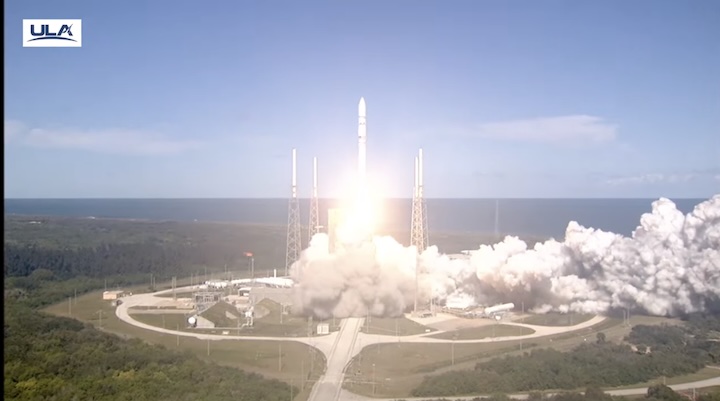
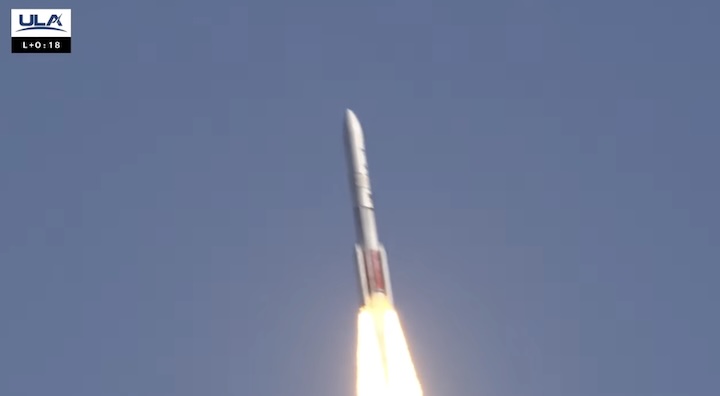
FIRST VULCAN LEO MISSION TO LAUNCH
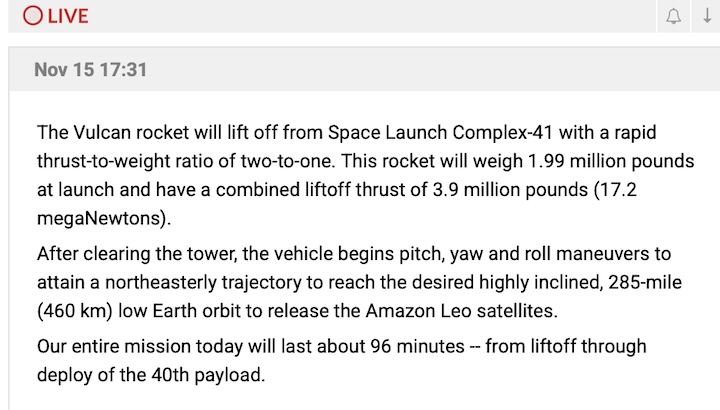
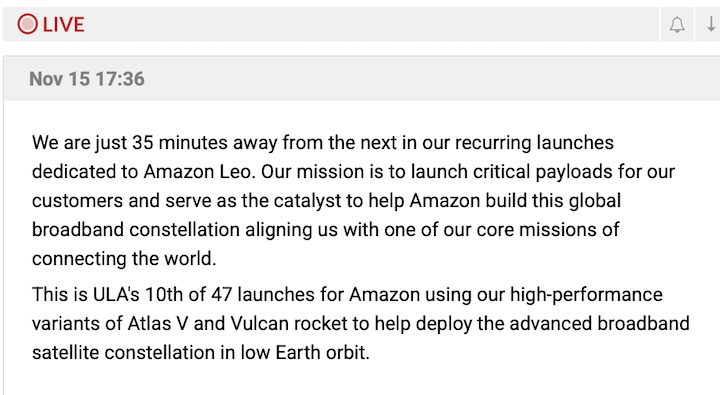
ULA's optimized Vulcan heavy-lifter is delivering spacecraft into low Earth orbit for Amazon Leo. The advanced broadband satellites are designed to deliver fast, reliable internet to customers beyond the reach of existing networks. The initial Amazon constellation will include more than 3,000 satellites working together in coordinated orbits around Earth.
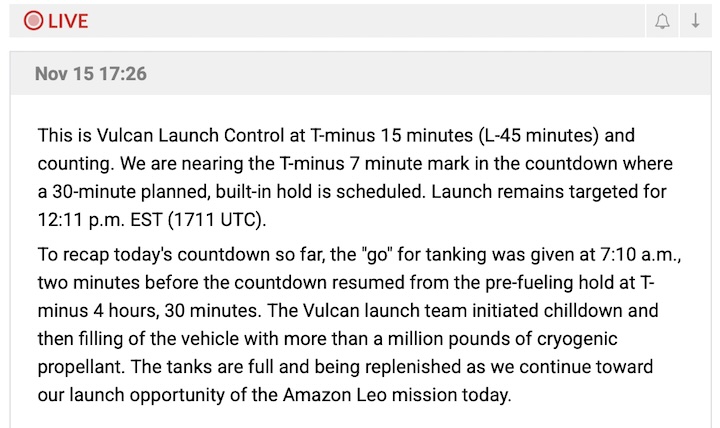
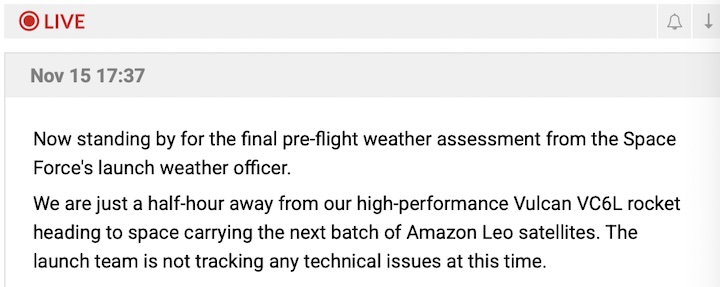
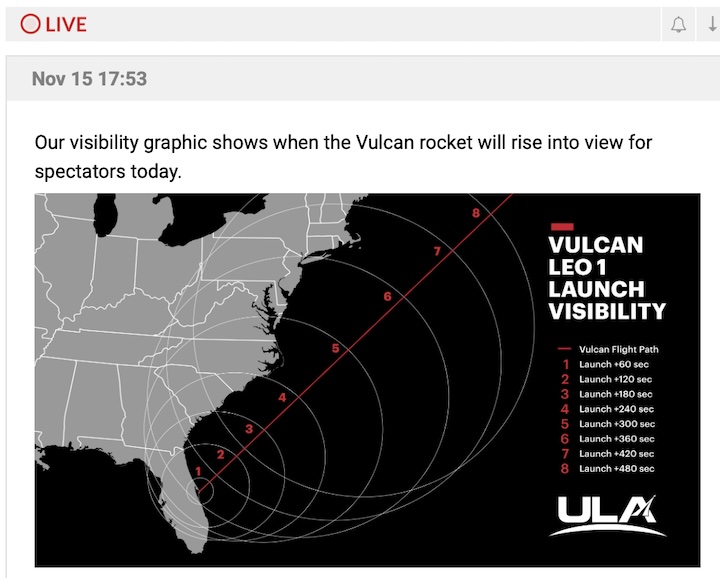
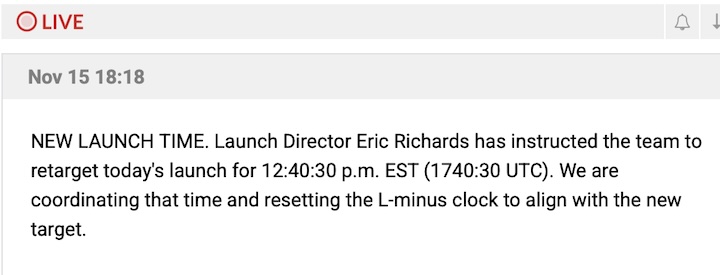
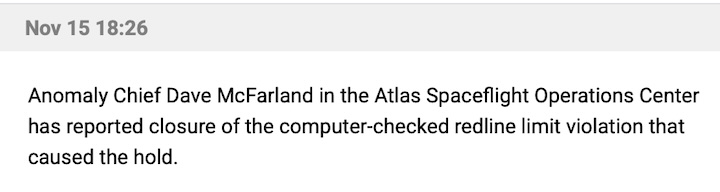
Launch Date and Window: Sunday, Nov. 15 at 12:11 to 12:40 p.m. EST (1711-1740 UTC)
GO Vulcan! GO Centaur! GO Amazon Leo!
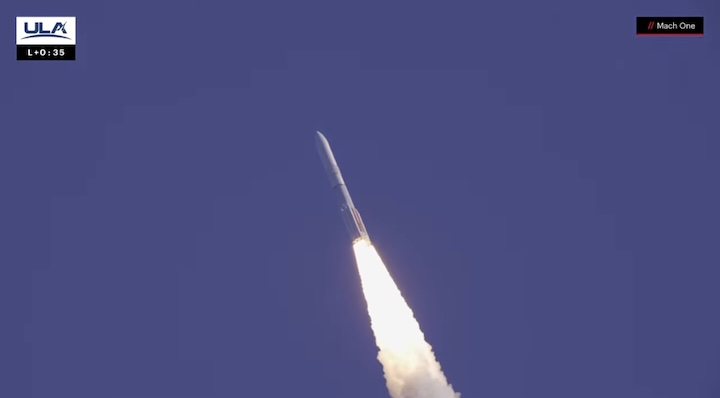
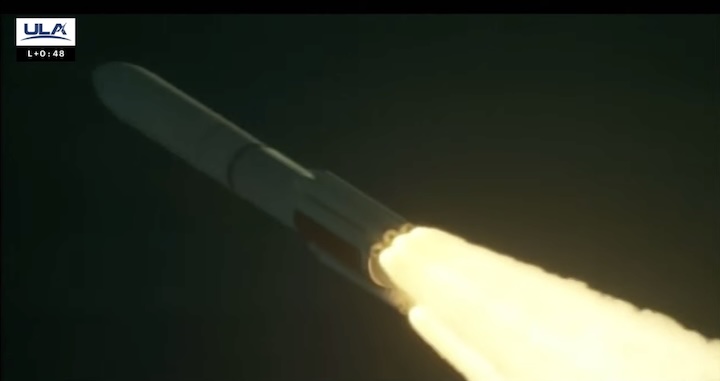
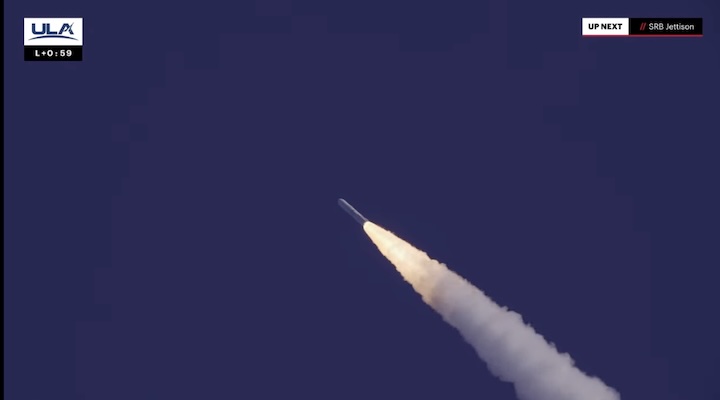
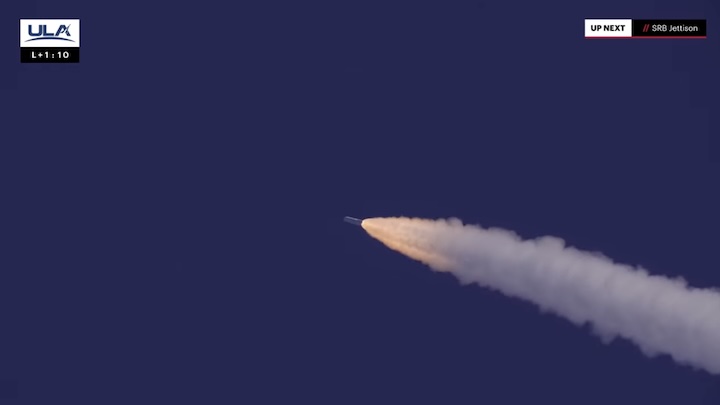
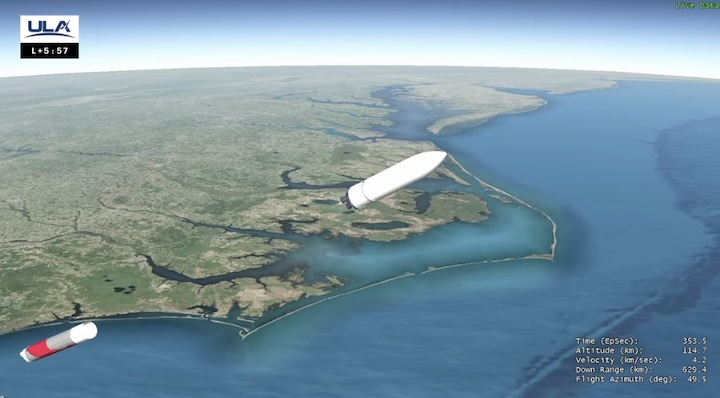
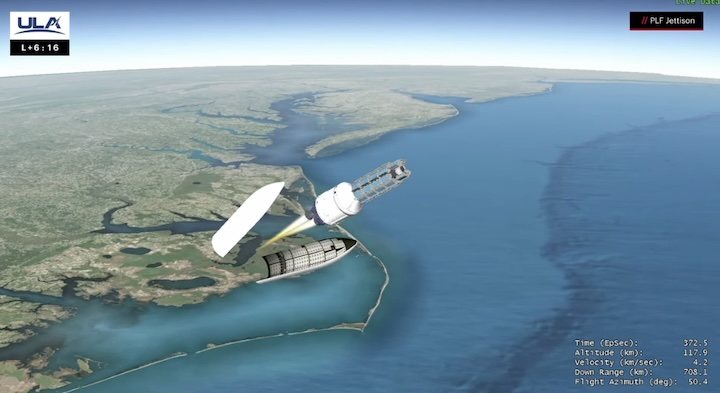
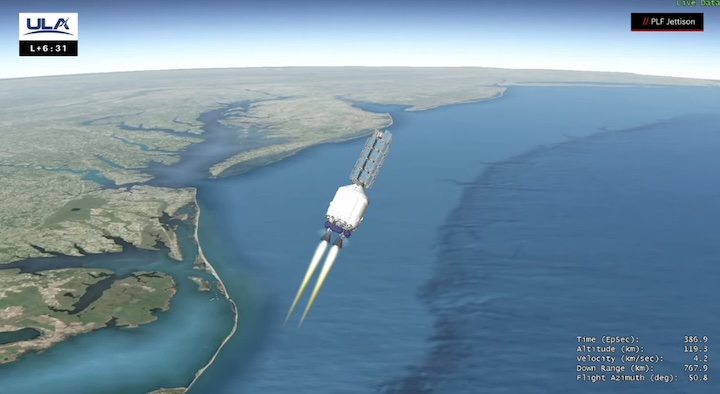
Quelle: ULA