
8.03.2026
NASA Invites Media to Northrop Grumman CRS-24 Station Resupply Launch
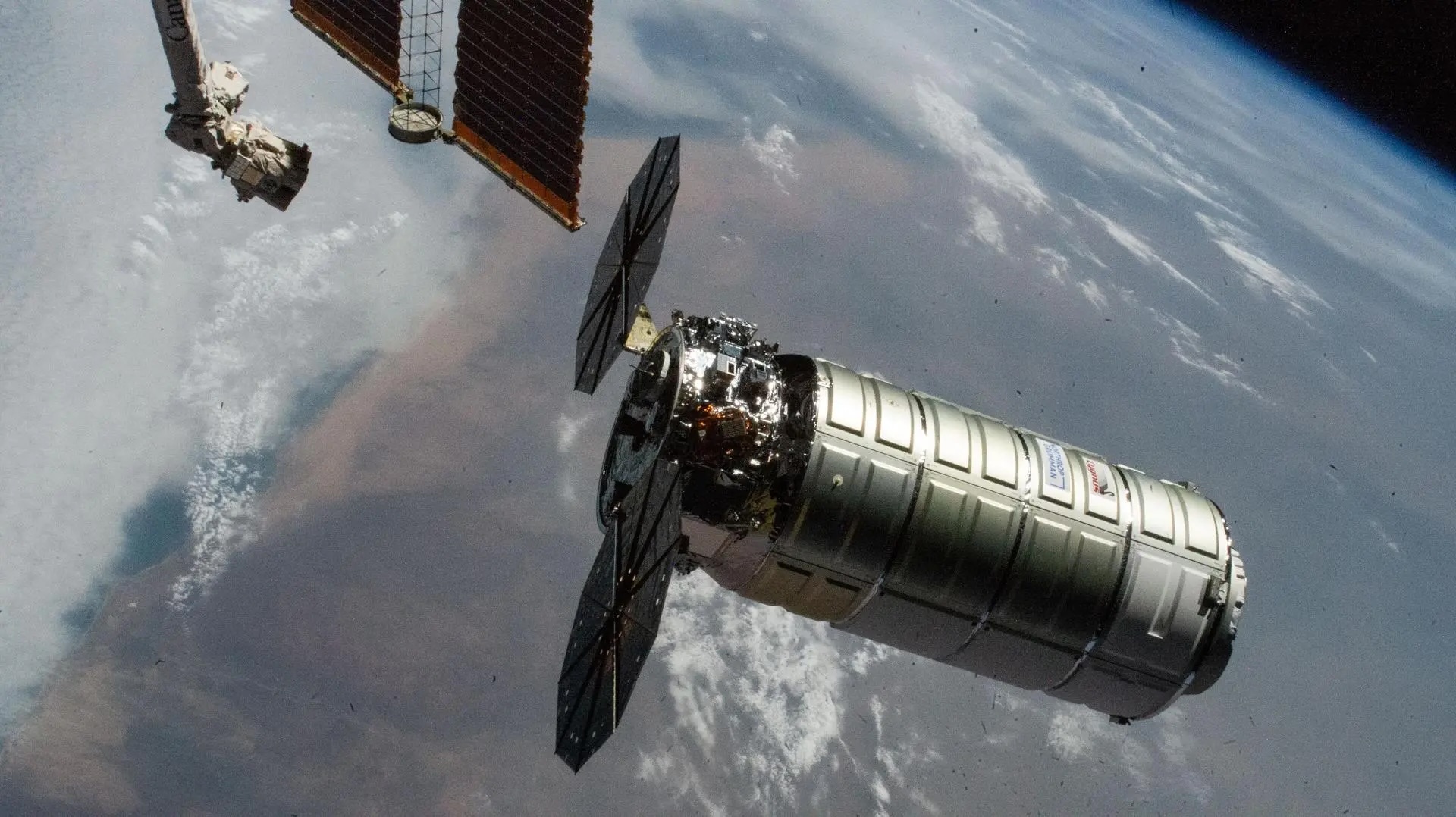
Media accreditation is open for the next launch to deliver NASA science investigations, supplies, and equipment to the International Space Station. A Northrop Grumman Cygnus XL spacecraft will launch in April to the orbital laboratory on a SpaceX Falcon 9 rocket for NASA.
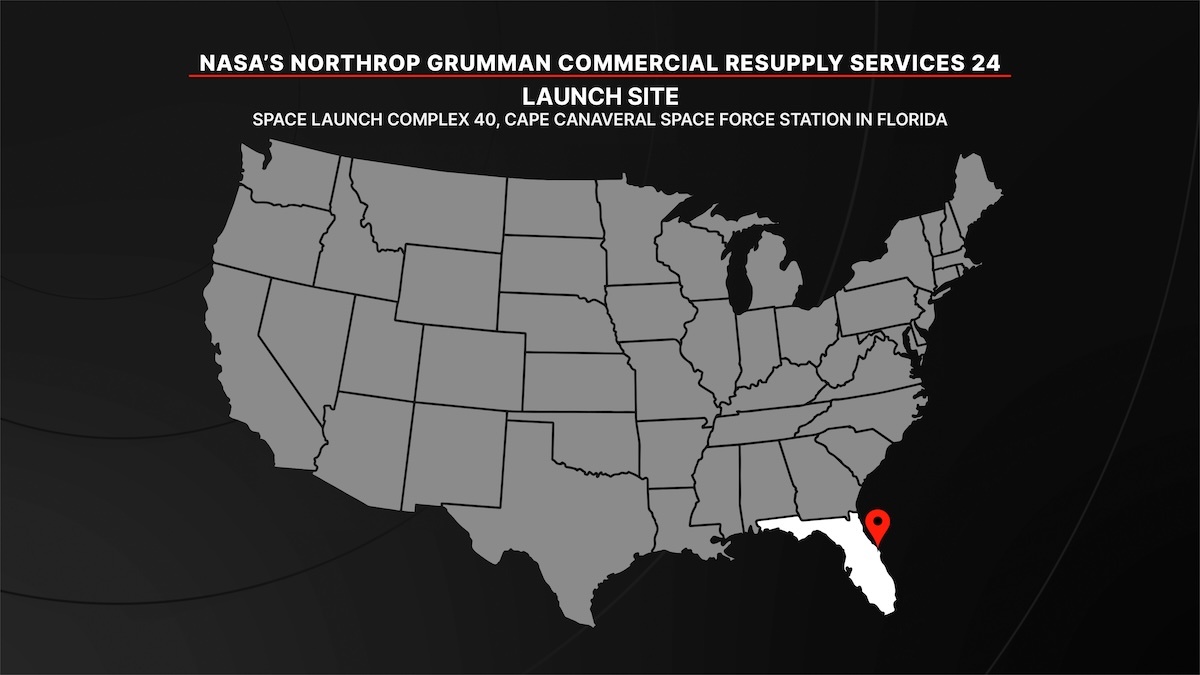
The mission is known as NASA’s Northrop Grumman Commercial Resupply Services 24 (NASA’s Northrop Grumman CRS-24). Liftoff is targeted for no earlier than Wednesday, April 8, from Space Launch Complex 40 at Cape Canaveral Space Force Station in Florida.
Following launch, astronauts aboard the space station will use the Canadarm2 robotic arm to capture Cygnus and install the spacecraft to the Unity module’s Earth-facing port for cargo unloading. The spacecraft will remain at the space station until October. This is the company’s 24th spacecraft built to deliver supplies to the International Space Station under contract with NASA.
Credentialing to cover prelaunch and launch activities is open to U.S. media. The application deadline for U.S. citizens is 11:59 p.m. EDT, Wednesday, March 18. All accreditation requests must be submitted online at:
Credentialed media will receive a confirmation email following approval. NASA’s media accreditation policy is available online. For questions about accreditation, or to request special logistical support, email: ksc-media-accreditat@mail.nasa.gov. For other questions, please contact NASA’s Kennedy Space Center newsroom at: 321-867-2468.
In addition to food, supplies, and equipment for the crew, Cygnus will deliver research to the space station, including a new module to advance quantum science that could improve computing technology and aid in the search for dark matter and hardware to produce a greater number of therapeutic stem cells for blood diseases and cancer. Cygnus also will carry model organisms to study the gut microbiome and a receiver that could enhance space weather models that protect critical space infrastructure, such as GPS and radar.
Each resupply mission to the station delivers scientific investigations in the areas of biology and biotechnology, Earth and space science, physical sciences, and technology development and demonstrations. Cargo resupply from U.S. companies ensures a national capability to deliver scientific research to the space station, increasing NASA’s ability to conduct new investigations aboard humanity’s laboratory in space.
For more than 25 years, people have lived and worked continuously aboard the International Space Station, advancing scientific knowledge and making research breakthroughs that are not possible on Earth. The station is an important testbed for NASA to understand and overcome the challenges of long-duration spaceflight and to expand commercial opportunities in low Earth orbit. As commercial companies concentrate on providing human space transportation services and destinations as part of a strong low Earth orbit economy, NASA is focusing its resources on deep space missions to the Moon as part of the Artemis program to build on our foundation for the first crewed missions to Mars.
Quelle: NASA
----
Update: 8.04.2026
.
NASA’s Northrop Grumman CRS-24 Mission Overview
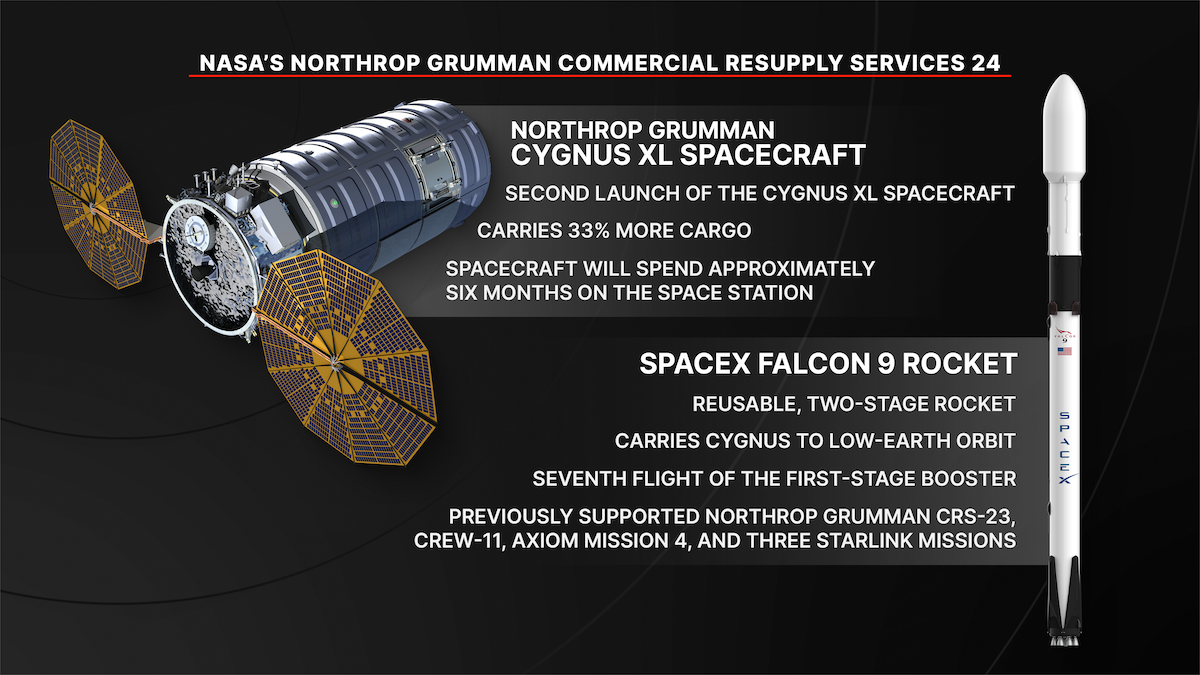
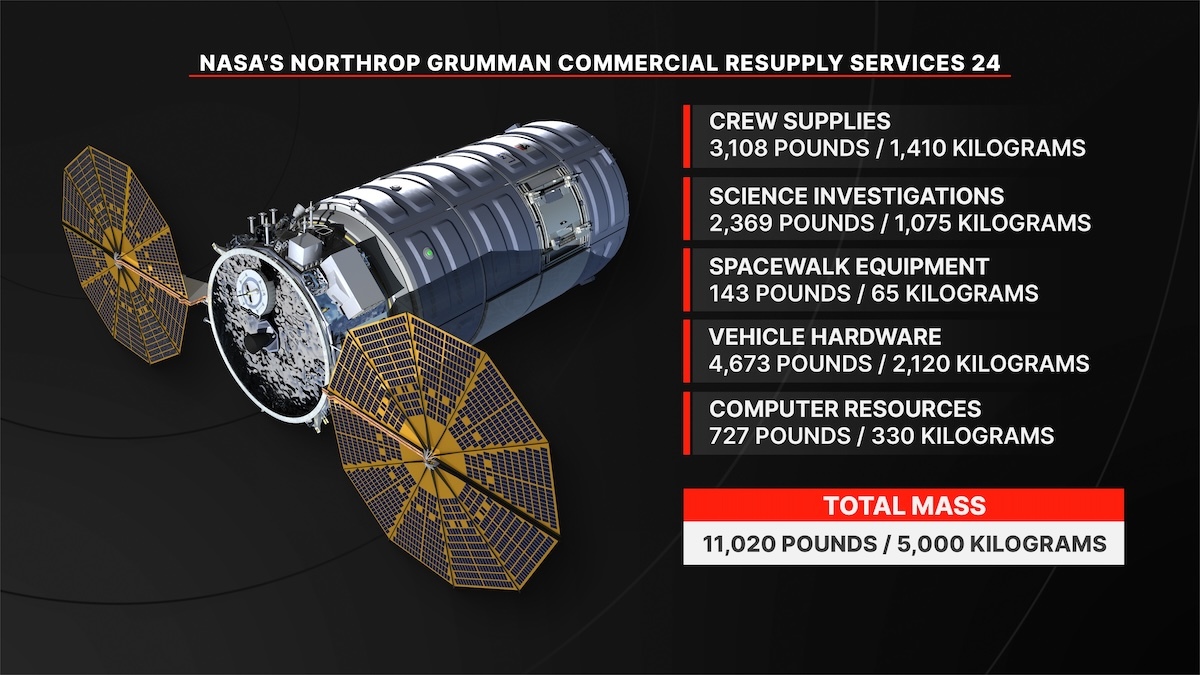
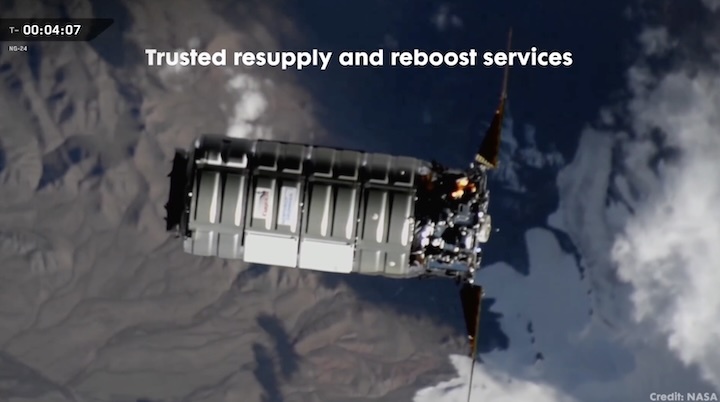
NASA’s Northrop Grumman Commercial Resupply Services 24 mission, or Northrop Grumman CRS-24, will deliver approximately 11,000 pounds of science and supplies to the International Space Station. This mission will be the second flight of the Cygnus XL, the larger, more cargo-capable version of the company’s solar-powered spacecraft.
The Cygnus XL will launch on a SpaceX Falcon 9 rocket from the Cape Canaveral Space Force Station in Florida. Following arrival, astronauts aboard the space station will use the Canadarm2 to grapple Cygnus XL before robotically installing the spacecraft to the Unity module’s Earth-facing port for cargo unloading.
Science Highlights
Along with supplies and equipment for the crew, Cygnus XL will deliver a range of scientific investigations to the International Space Station that helps to advance knowledge and technology in support of the Artemis program. This research includes:
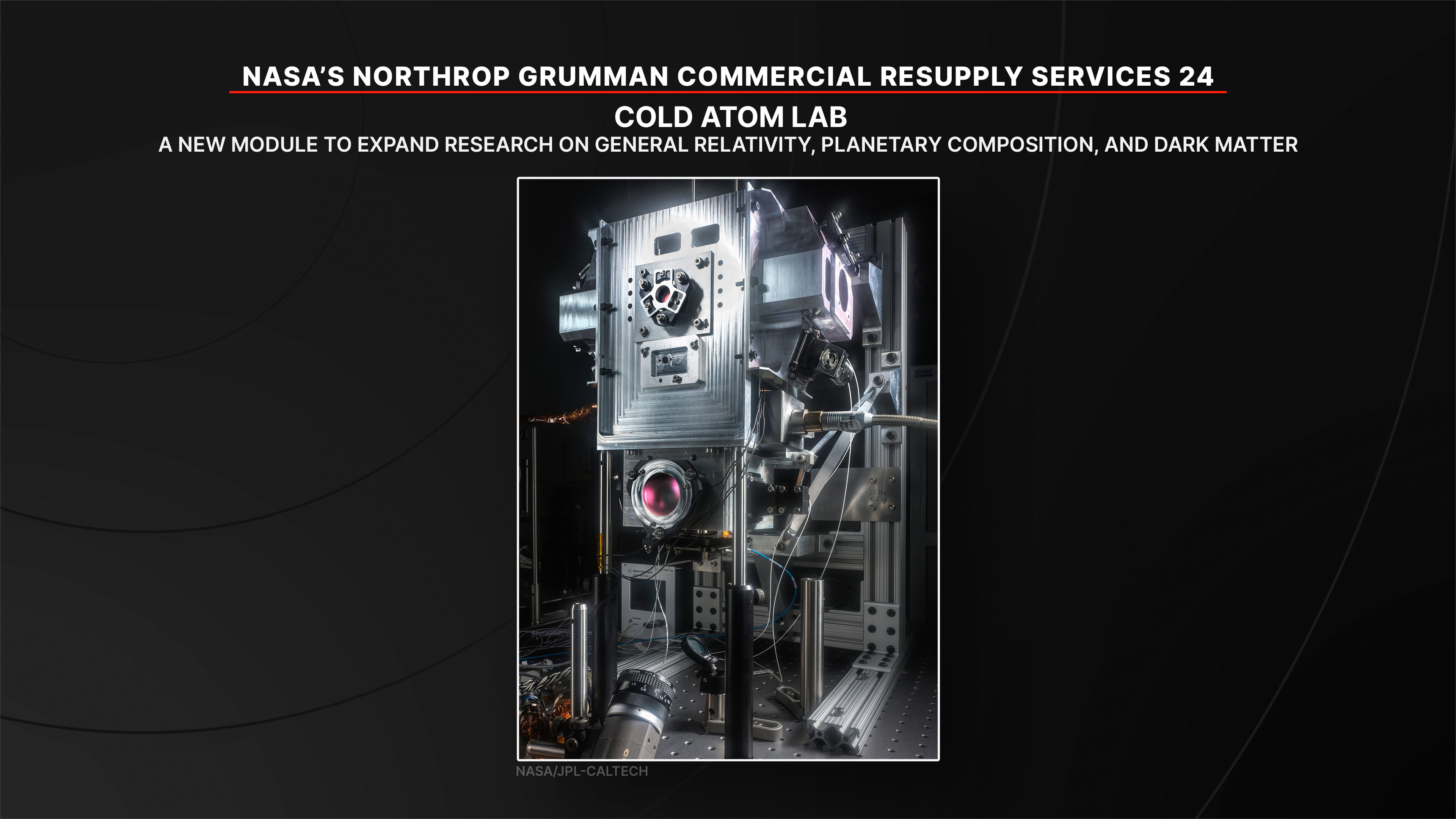
A new module for the Cold Atom Lab to expand its research capabilities and improve our understanding of general relativity, planetary composition, and dark matter. The Cold Atom Lab advances quantum research to improve technologies, such as solar cells, MRI scanners, and components that power phones and computers.
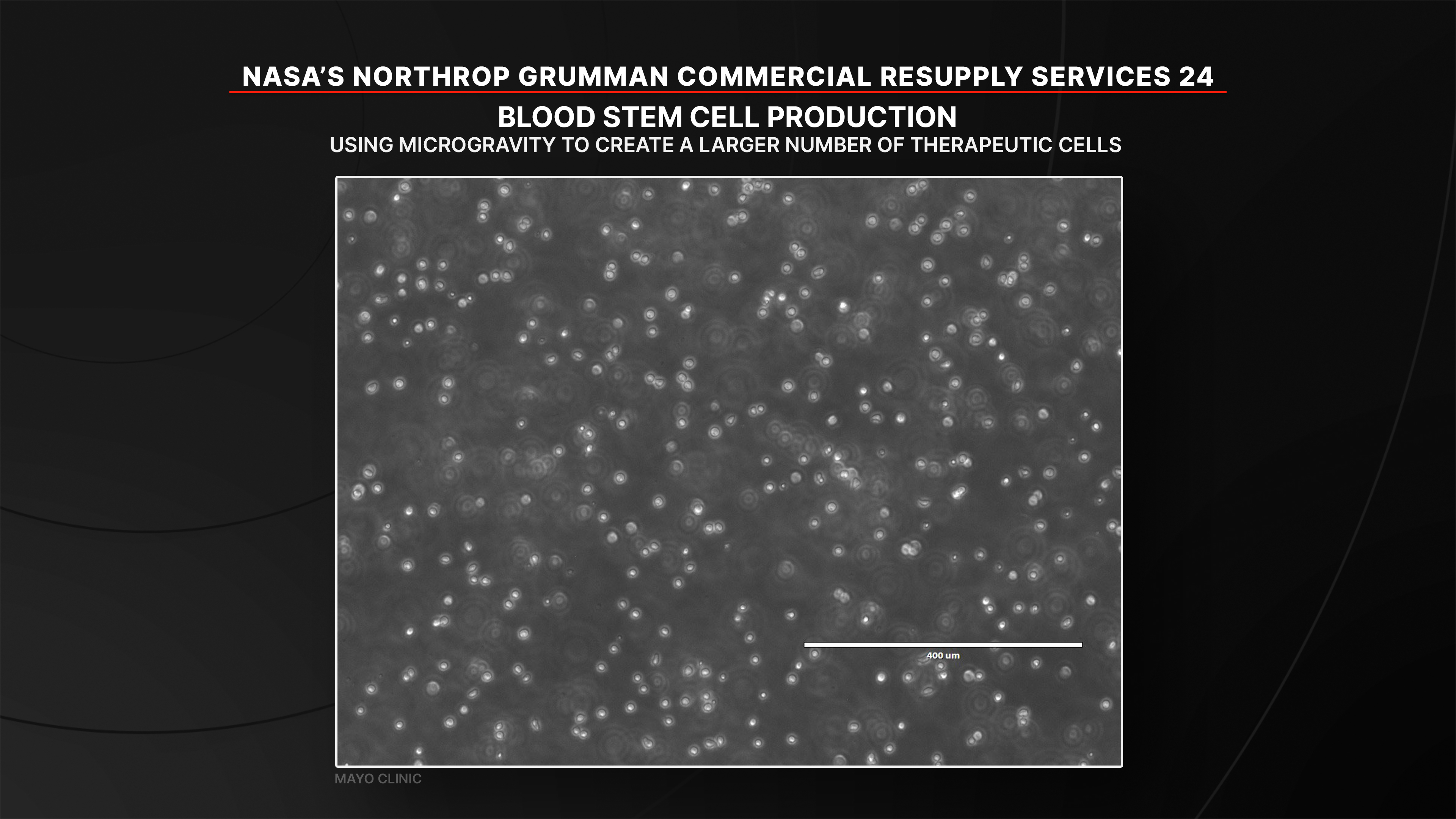
An investigation (InSPA-StemCellEX-H2) studying blood stem cell production in microgravity to create a larger number of therapeutic cells. Successful stem cell production could advance healthcare on Earth for patients with certain blood diseases and cancers.
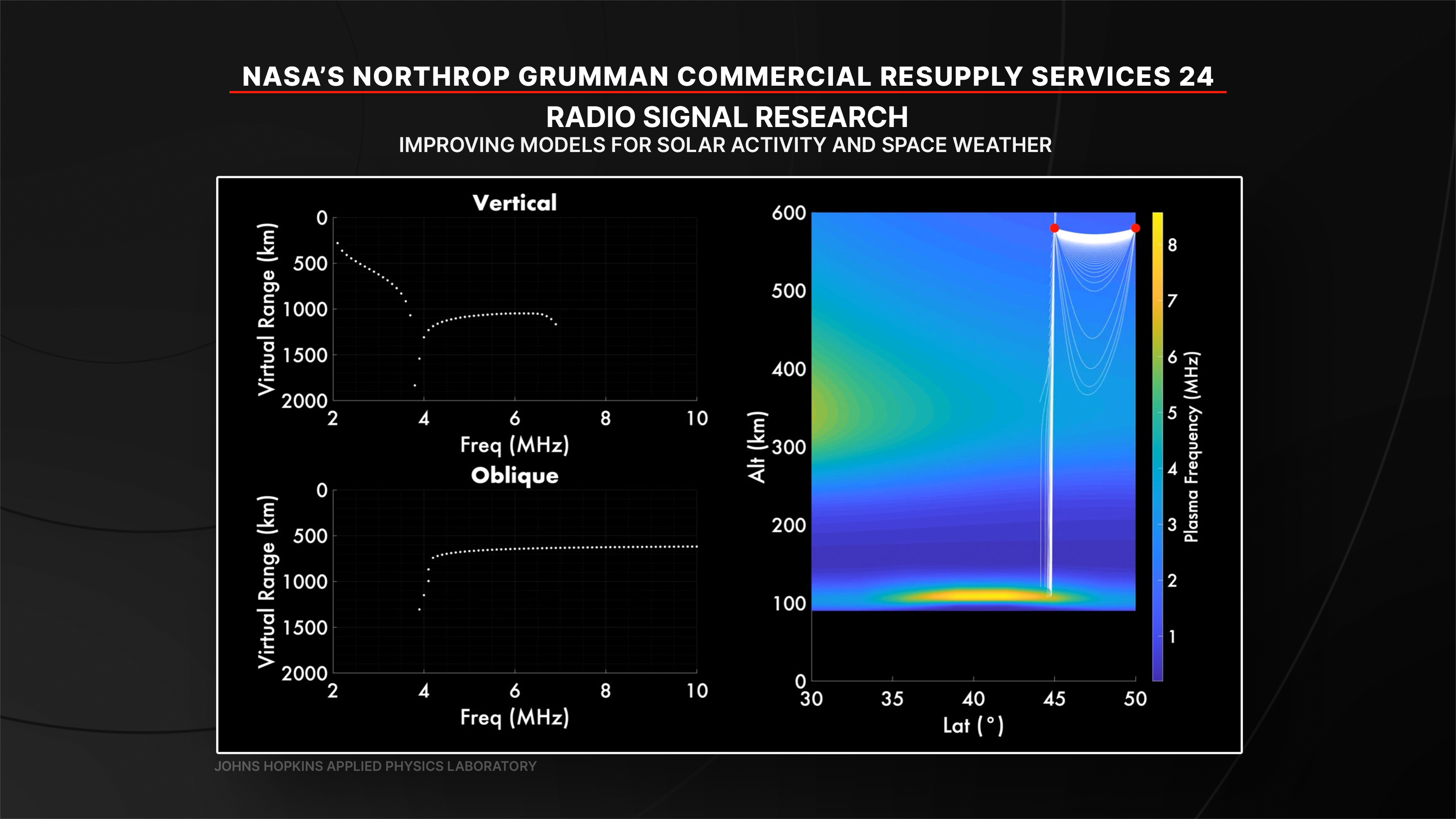
An investigation (Nanoracks-ITSI) that measures how radio signals sent from Earth change as they pass through the upper atmosphere. These measurements could improve models that predict the impacts of solar activity and space weather, which can disrupt technologies like GPS navigation and radar tracking systems.
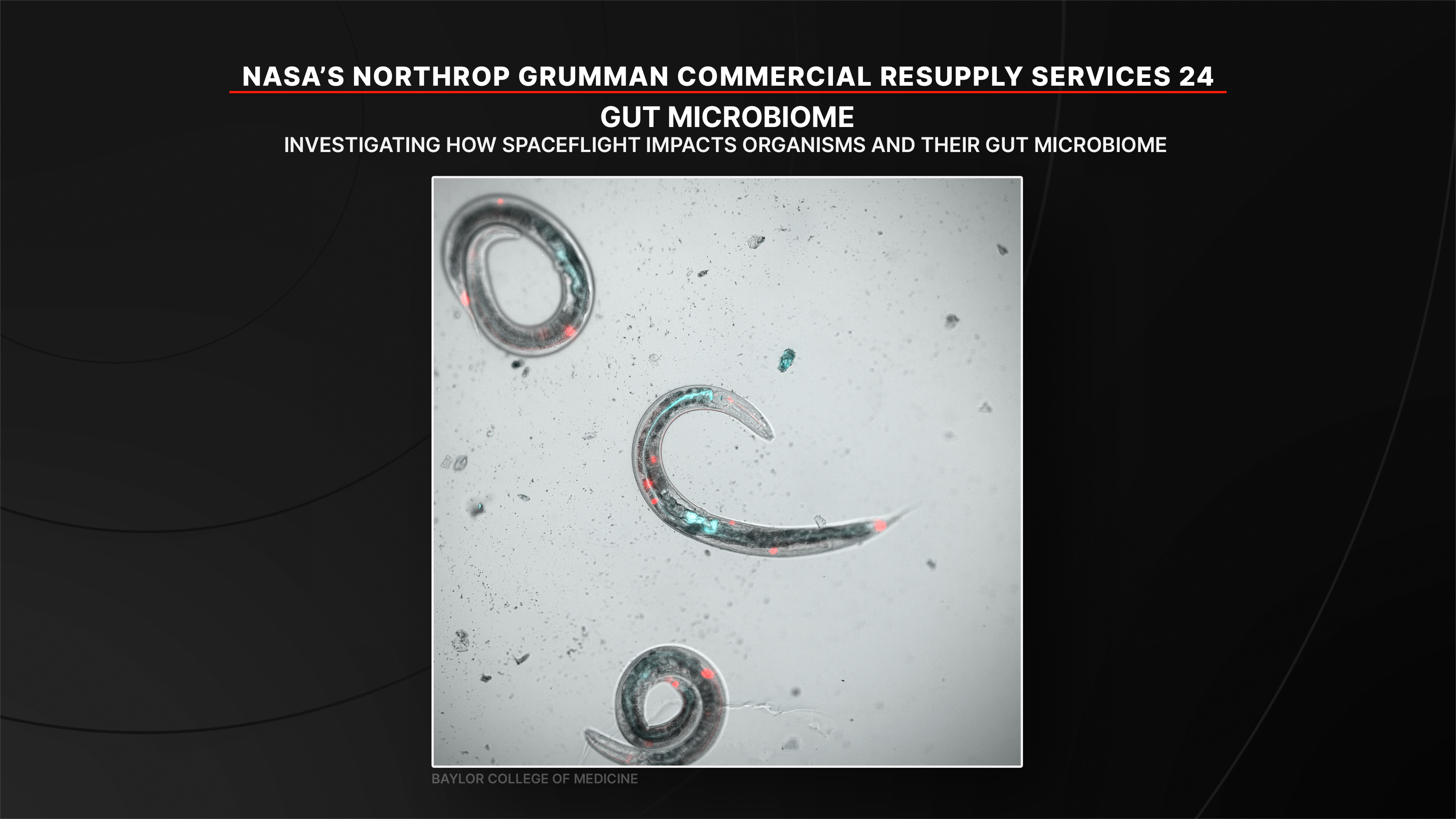
A study (CBIOMES) of how spaceflight impacts the relationship between organisms and their gut microbiome. Researchers will observe changes in roundworms down to the cellular level to identify ways to maintain microbiome stability and help protect astronaut health on future Moon and Mars missions.
Mission Hardware
A study (CBIOMES) of how spaceflight impacts the relationship between organisms and their gut microbiome. Researchers will observe changes in roundworms down to the cellular level to identify ways to maintain microbiome stability and help protect astronaut health on future Moon and Mars missions.
- The European Enhanced Exploration Exercise Device is a compact exercise system that help preserve muscle mass and bone health in microgravity. By enabling a broader and more adaptable range of resistance exercises, this device combines cycling, rowing, and resistance training in addition to the ability to perform rope-pulling and climbing movements, even when unpowered. The device was jointly developed by NASA and ESA (European Space Agency).
- The Supplemental Heat Rejection Evaporative Cooler provides heat rejection for the orbiting laboratory in the event of dual thermal control system loop failures. The cooler connects to the vacuum system and multiple onboard water sources to evaporate water through hollow fiber membranes.
- The Ocular Coherence Tomography is a noncontact medical imaging device that uses reflected light to produce detailed cross-sectional and 3D images to actively track the eye during imagery. Tracking eye movement with simultaneous dual-beam imaging minimizes motion artifact, enables noise reduction, and allows the instrument to precisely track changes in crew eye health over time. This unit will replace a degraded unit in orbit
Additional Hardware
- 8 hatch seal covers, to be installed over current hatch seals
- 2 batteries to support the operations of the Zarya module
- 3 resupply water tanks for the water storage system
- 1 nitrogen tank and 1 oxygen tank, used for recharging spacesuits and maintaining a pressurized environment on space station
- 1 pretreat and water dispenser, a spare unit for the Waste and Hygiene Compartment
Quelle: NASA
----
Update: 9.04.2026
.
NASA’s Northrop Grumman CRS-24 Mission Targets Friday, April 10 Launch
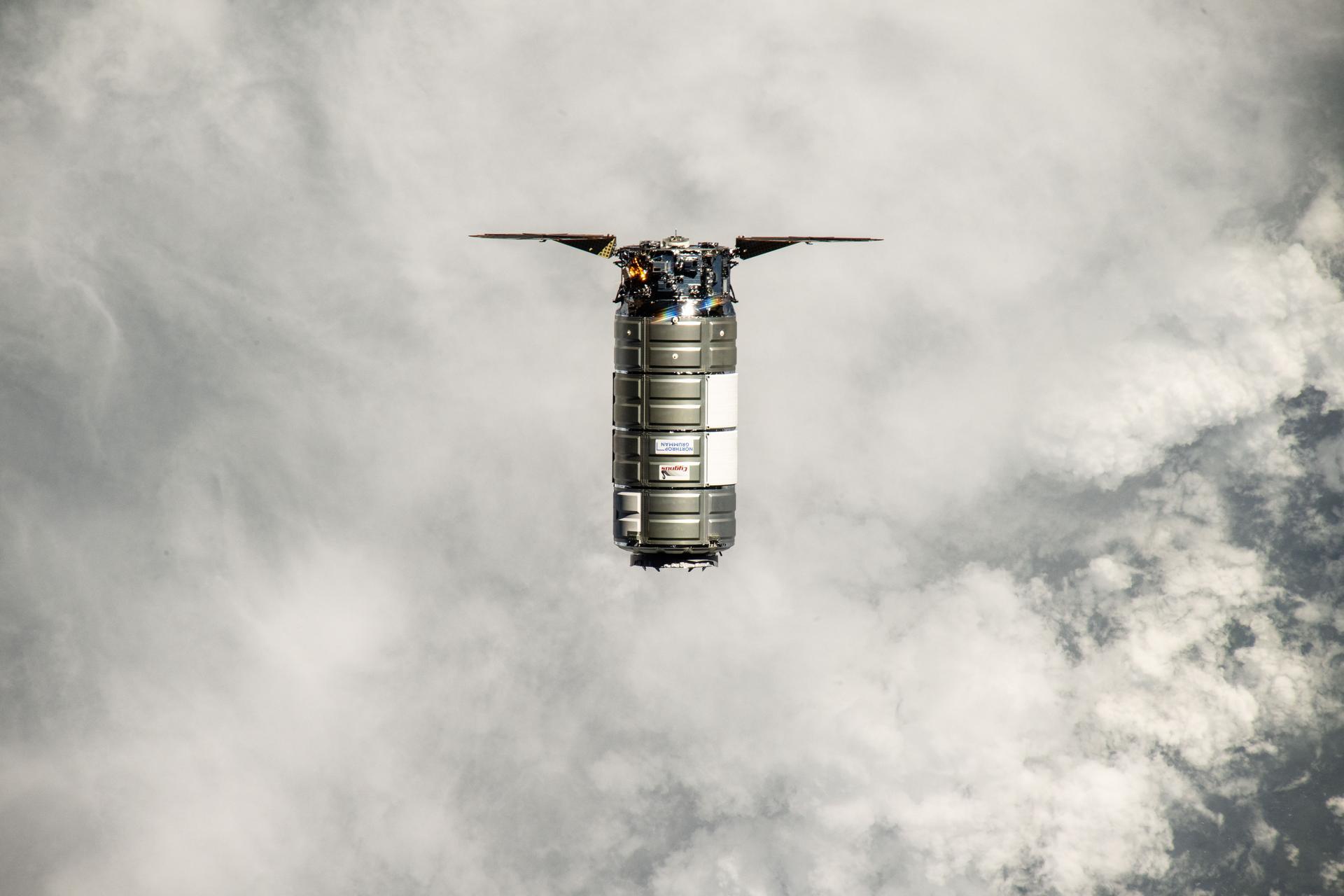
NASA, Northrop Grumman, and SpaceX now are targeting no earlier than 8:03 a.m. EDT Friday, April 10, for the next Cygnus XL and Falcon 9 launch opportunity to resupply the International Space Station. Teams adjusted the Wednesday, April 8, launch opportunity due to forecasted inclement weather at Space Launch Complex 40 at Cape Canaveral Space Force Station in Florida.
Following an April 10 launch, astronauts aboard the space station will use the Canadarm2 to capture the Cygnus XL at 11:39 p.m. Saturday, April 11, before the spacecraft is robotically installed on the Unity module’s Earth-facing port for cargo unloading. If needed, the next available launch opportunity is 7:40 a.m., on April 11.
Watch the agency’s launch and arrival coverage on NASA+, Amazon Prime, and the agency’s YouTube channel. Learn how to watch NASA content through a variety of platforms, including social media.
Quelle: NASA
----
Update: 10.04.2026
.
NASA’s Northrop Grumman CRS-24 Mission Targets April 11 Launch Amid Full Station Schedule
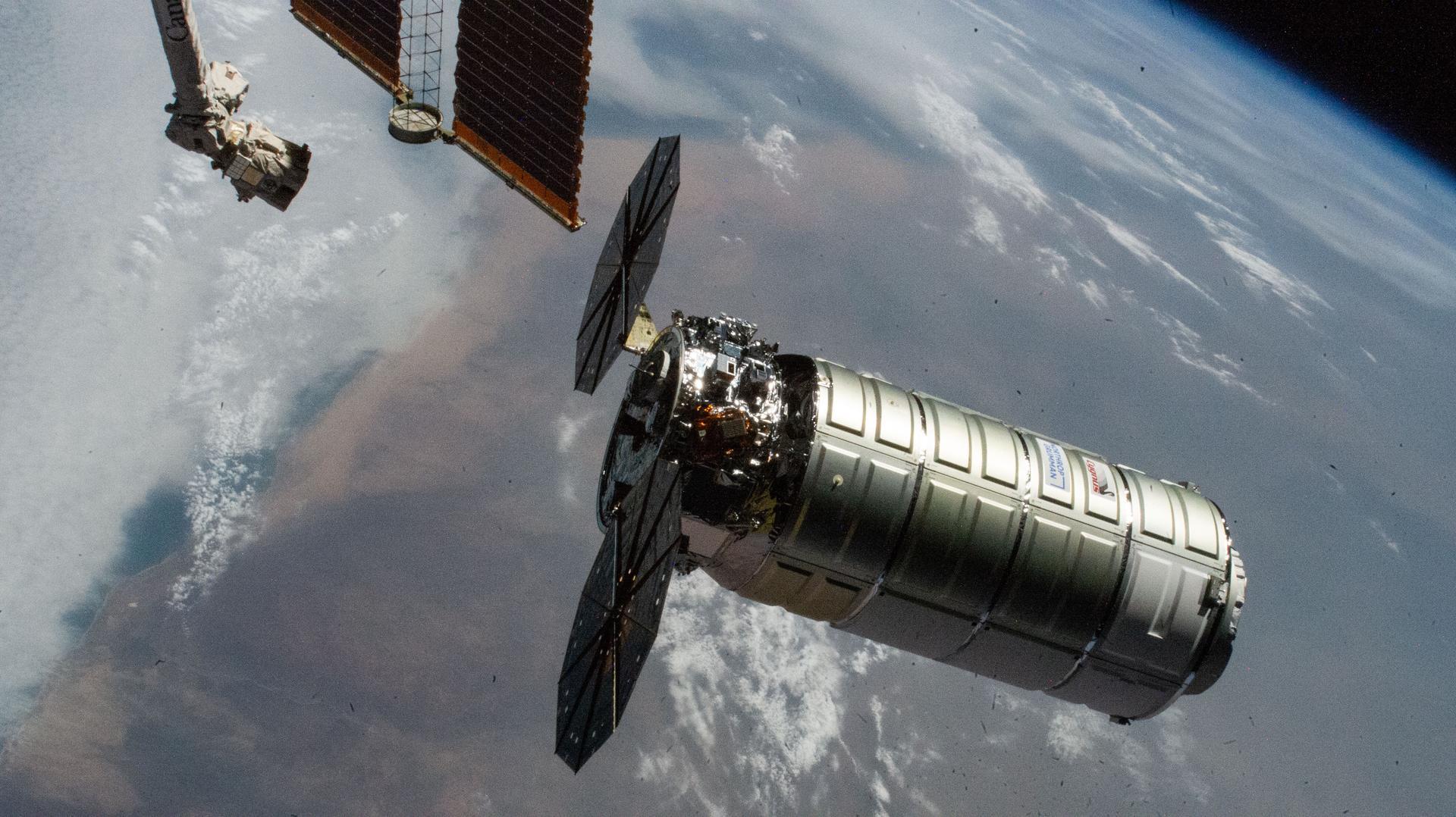
NASA, Northrop Grumman, and SpaceX now are targeting no earlier than 7:41 a.m. EDT Saturday, April 11, for the next Cygnus XL and Falcon 9 launch opportunity to resupply the International Space Station. Teams adjusted the Friday, April 10, launch opportunity due to forecasted inclement weather at Space Launch Complex 40 at Cape Canaveral Space Force Station in Florida.
Following an April 11 launch, astronauts aboard the space station will use the Canadarm2 to capture the Cygnus XL before the spacecraft is robotically installed on the Unity module’s Earth-facing port for cargo unloading. Capture time is under review and additional details will be shared once available. If needed, the next available launch opportunity is 7:18 a.m., on April 12.
Watch the agency’s launch and arrival coverage on NASA+, Amazon Prime, and the agency’s YouTube channel. Learn how to watch NASA content through a variety of platforms, including social media. Hearing tests, eye checks, and an emergency drill topped the schedule for the Expedition 74 crew aboard the International Space Station on Wednesday. The orbital residents also worked inside the NanoRacks Biship airlock, updated the inventory management system, and a conducted a cargo craft communications test.
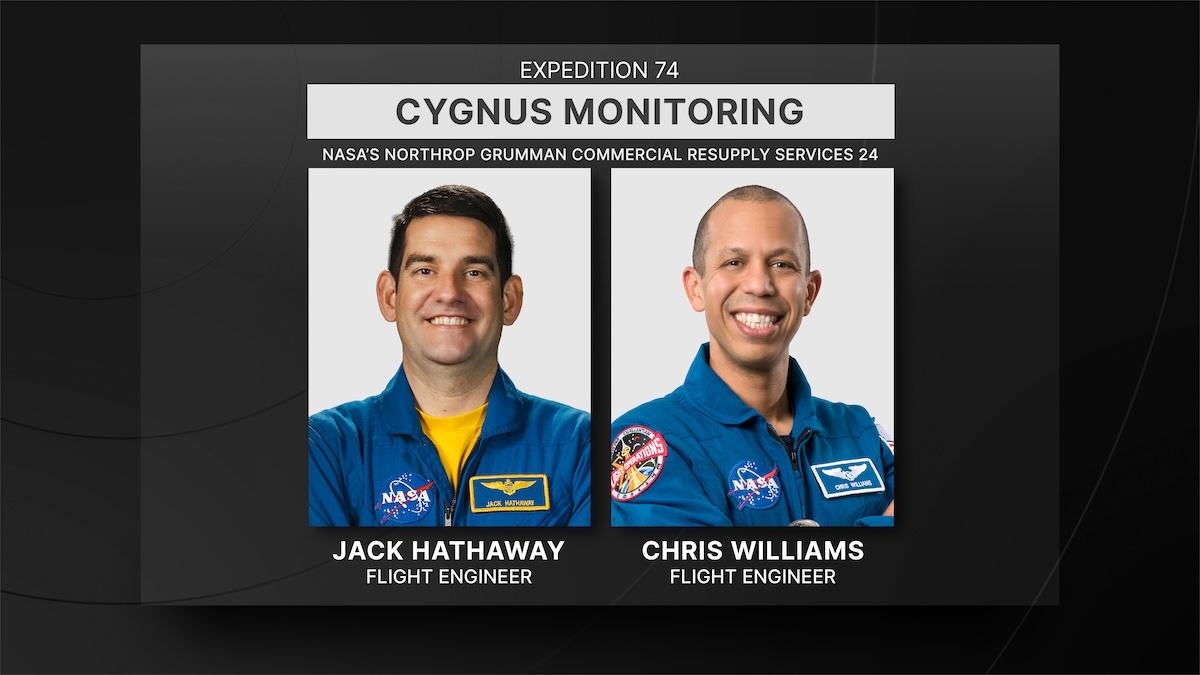
Regularly scheduled medical checkups were on tap for five flight engineers as doctors continuously monitor crew health in space. First up were hearing tests for NASA astronaut Jack Hathaway, ESA (European Space Agency) astronaut Sophie Adenot, and Roscosmos cosmonaut Andrey Fedyaev. The trio took turns in the quiet environment of the Quest Airlock and logged into specialized computer software, wore headphones, conducted an ear pressure check, and responded to a series of tones.
Afterward, Adenot joined NASA flight engineer Jessica Meir for eye checks inside the Columbus laboratory module. Meir led the biomedical research as crew medical officer by first applying a numbing fluid inside Adenot’s eyes, then tapping the surface of her eye with a small handheld device and finally calculating her internal eye pressure. Doctors seek to counteract the effects of weightlessness which can affect pressure around the eyes and change the shape of the eyeball ultimately affecting vision.
Meir began her shift with Hathaway inside the NanoRacks Bishop airlock attached to the port side of the Tranquility module. Meir and Hathaway removed hardware stowed inside Bishop ahead of an upcoming swap of experiment gear installed outside Bishop on its external platform in the vacuum of space. The NASA duo also staged the ArgUS multi-payload carrier inside Bishop in advance of upcoming science activities. Meir later participated in a relaxation study that promotes calmness, stress reduction, and improved sleep quality aboard a spacecraft. Hathaway measured the airflow inside a temporary sleep station located in Columbus to assure crew comfort and safety.
NASA flight engineer Chris Williams located and identified items designated as lost and found then stowed some of the items for further use, trashed the obsolete items, and updated the orbital lab’s inventory system. Williams later collected water samples for analysis from the Exploration Potable Water Dispenser, a technology demonstration to advance water sanitization methods, reduce microbial growth, and dispense hot water into crew food and drink bags.
Station commander Sergey Kud-Sverchkov and flight engineer Sergei Mikaev, both Roscosmos cosmonauts, started their shift testing ship-to-ship communications between the space station and the Progress 93 resupply ship docked to the Zvezda service module’s aft port. The duo then split up as Kud-Sverchkov tested artificial intelligence tools for crew operations while Mikaev checked the operations of a scientific control and information processing unit.
Fedyaev worked primarily on life support and electronics maintenance throughout the station’s Roscosmos segment. He also wiped down surfaces inside the Nauka science module to inhibit the growth of fungus and protect crew health.
At the end of their shift, all seven space station crew members joined each other and conducted an emergency drill. The orbital septet coordinated with mission controllers from around the world and practiced their roles, responsibilities, and communication procedures necessary for the simulated emergency scenario.
Quelle: NASA
----
Update: 11.04.2026
.
NG-24 MISSION
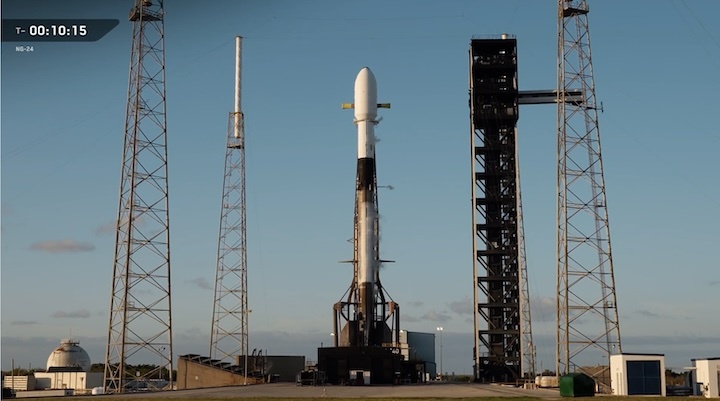
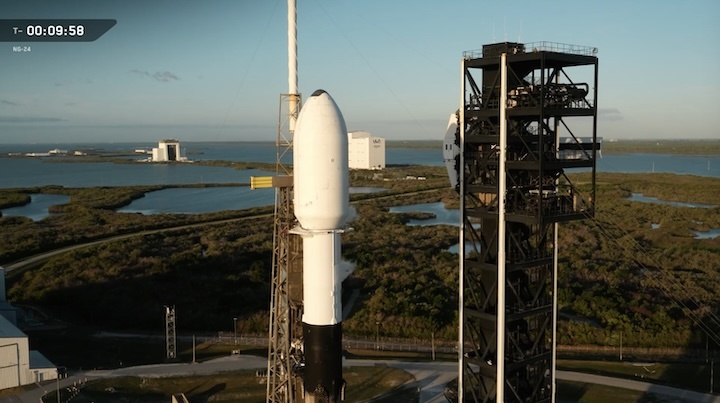
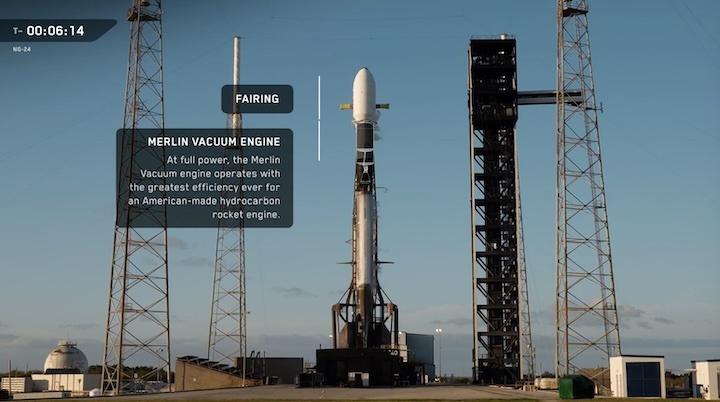
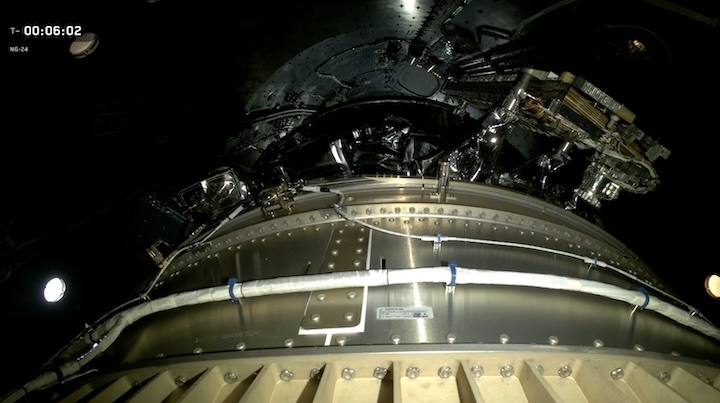
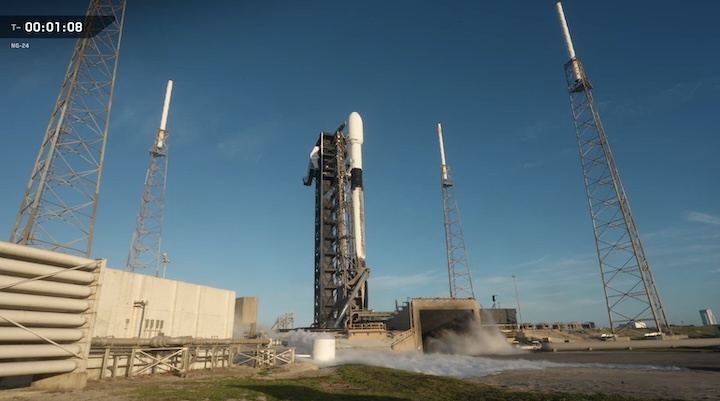
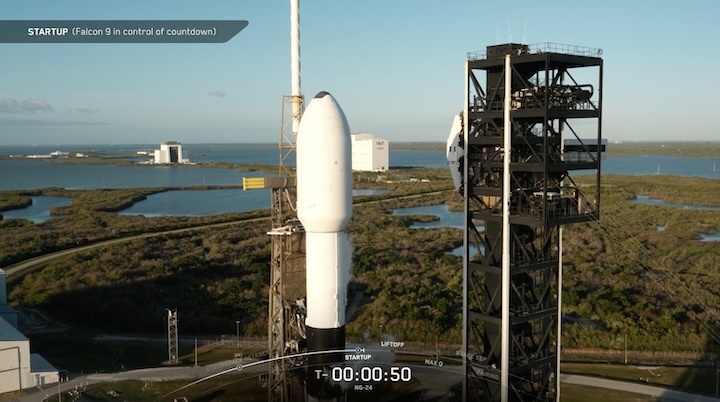
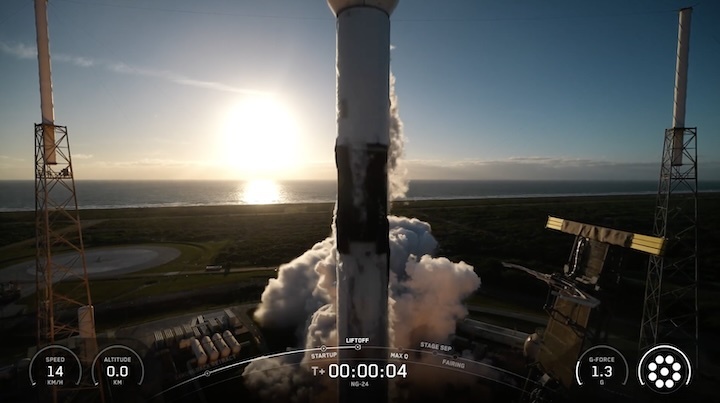
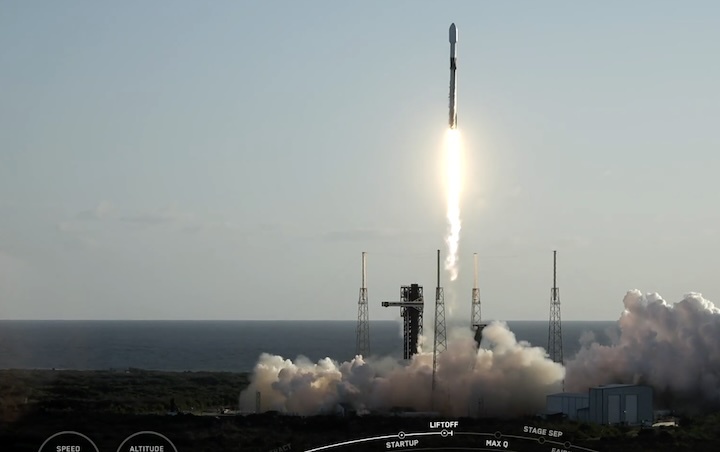
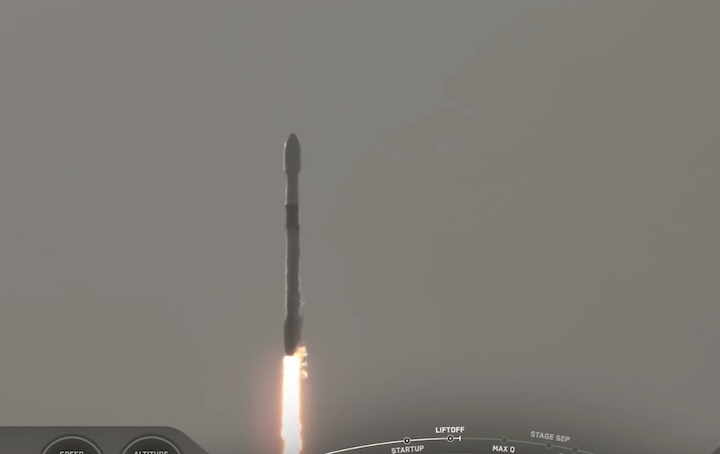
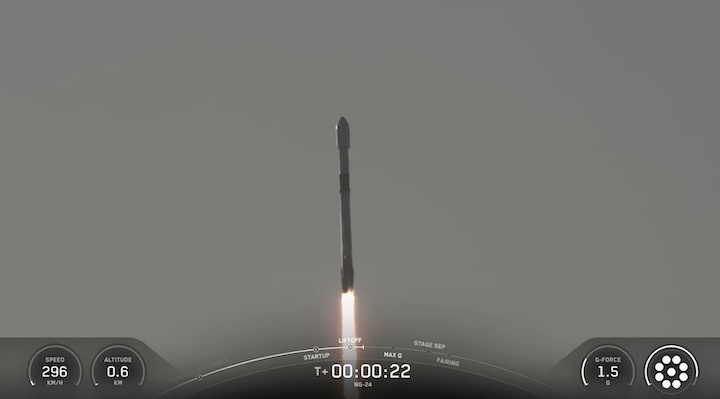
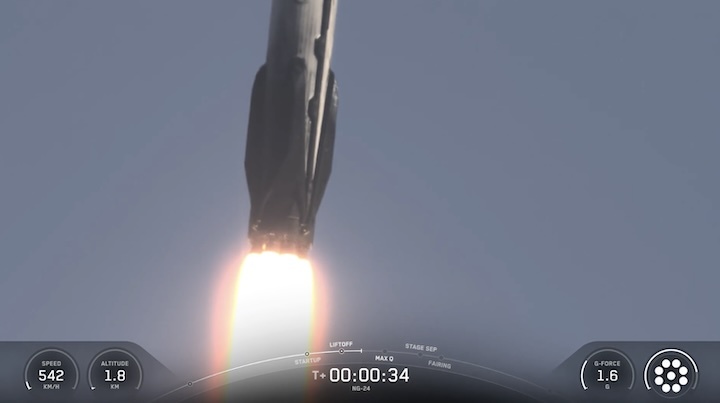
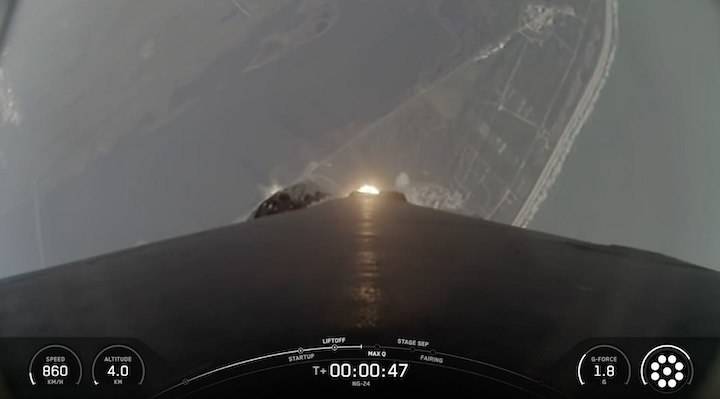
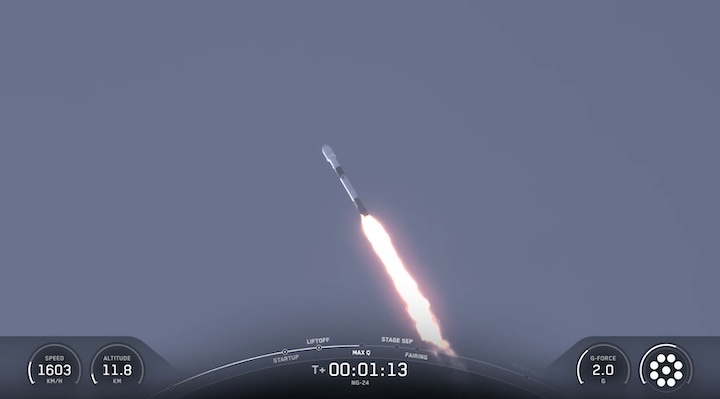
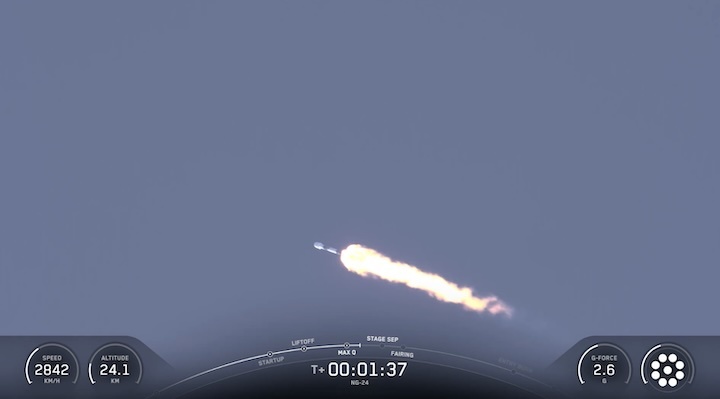
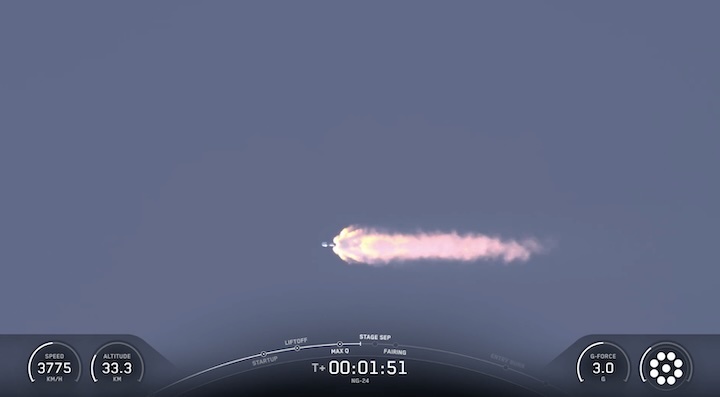
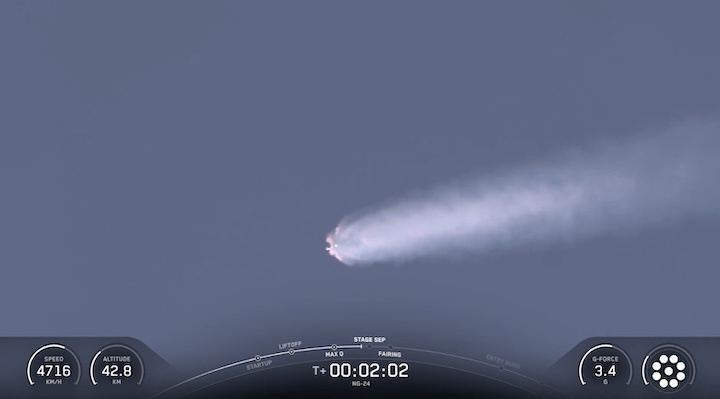
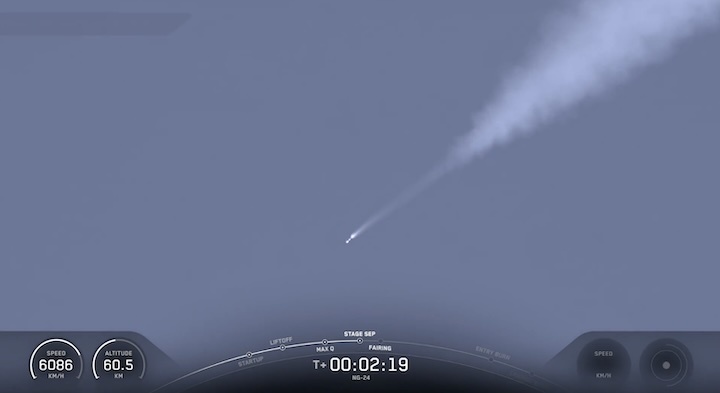
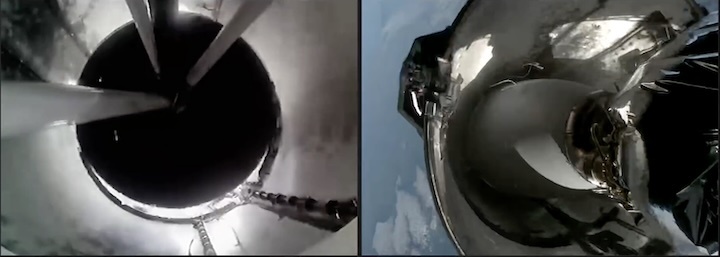
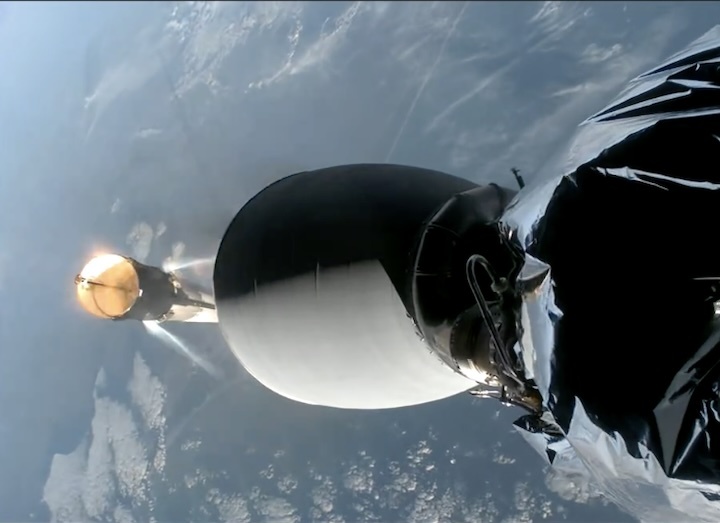
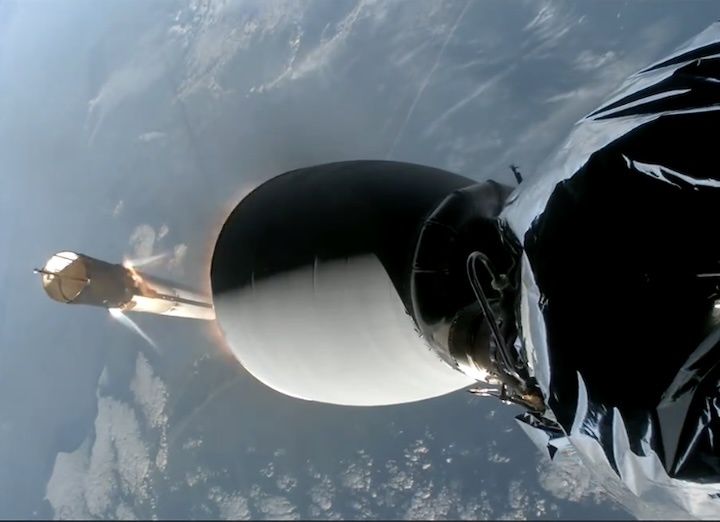
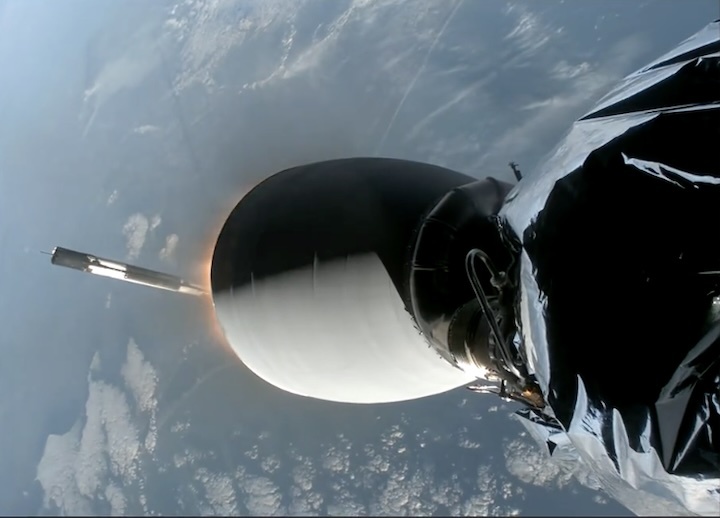
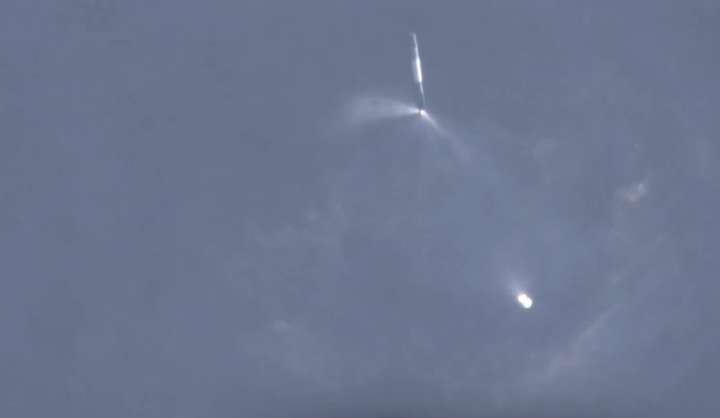
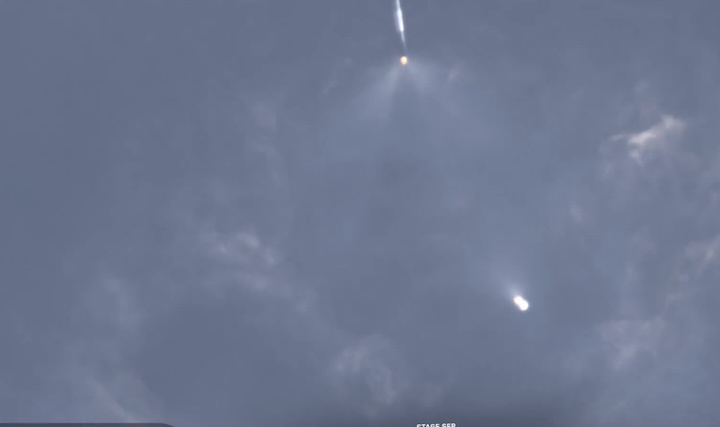
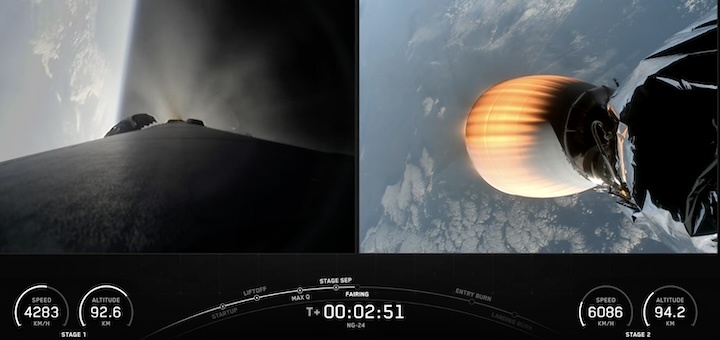
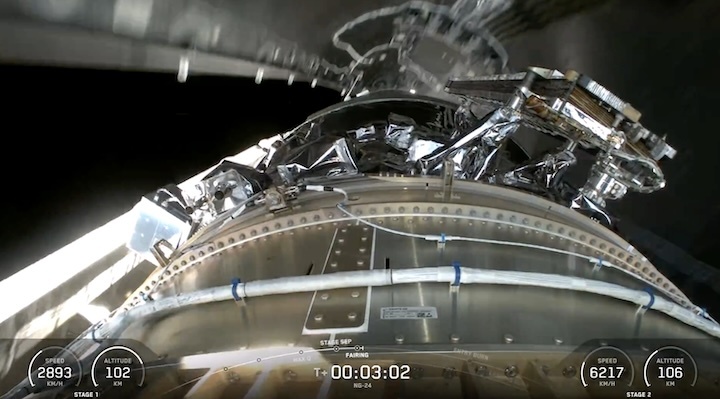
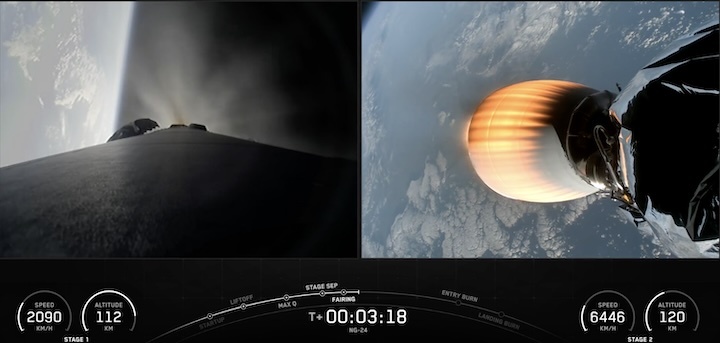
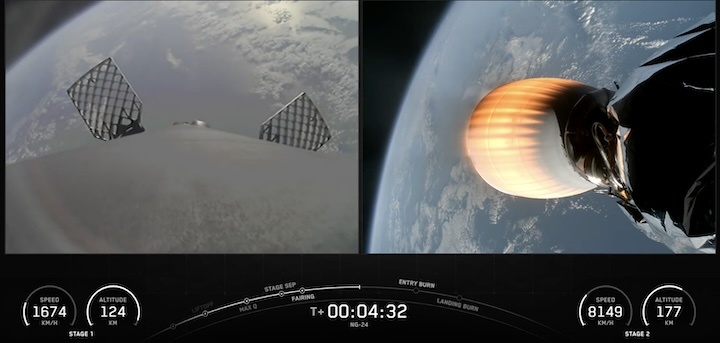
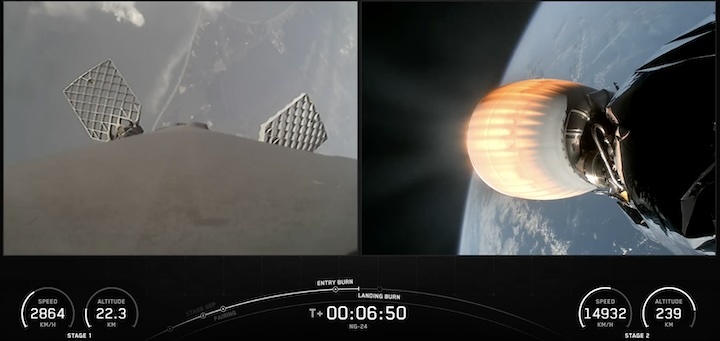
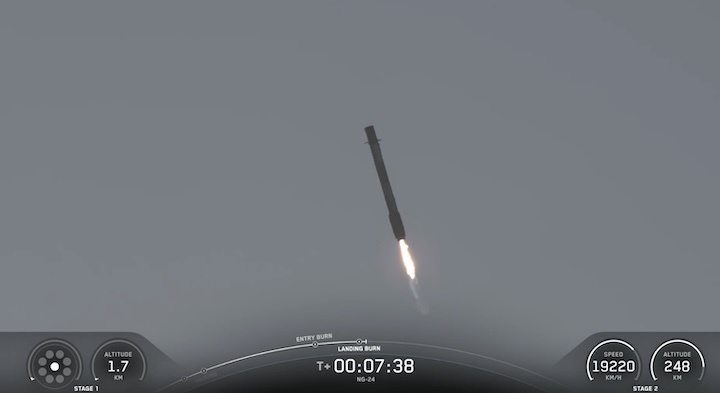
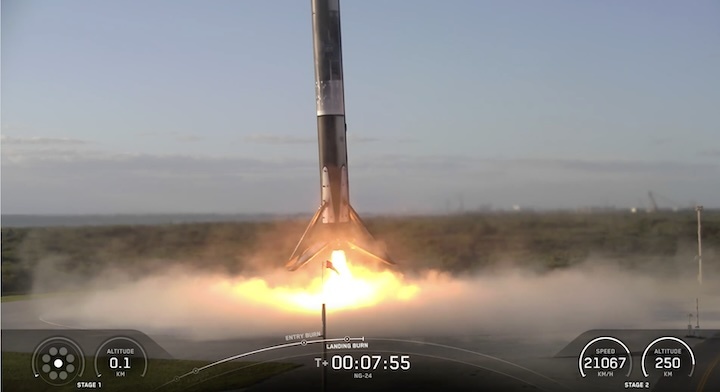
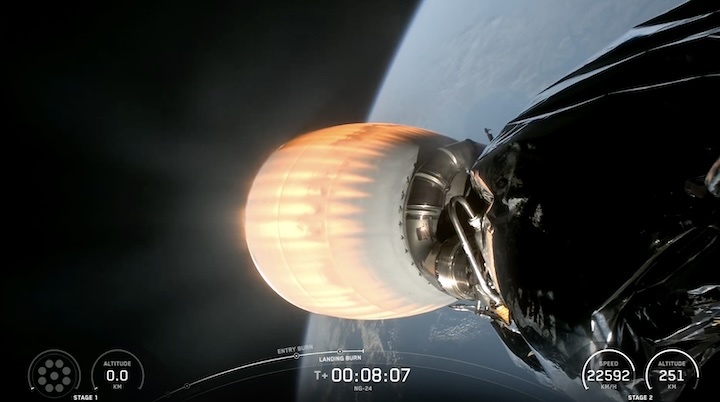
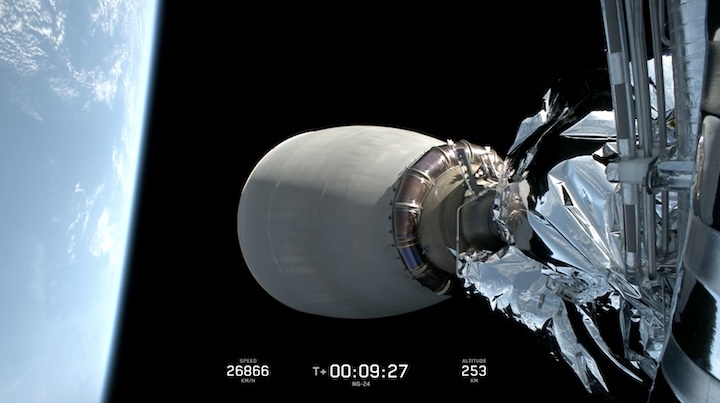
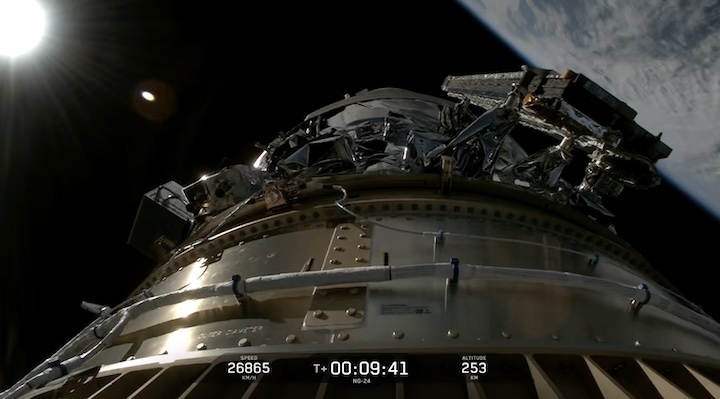
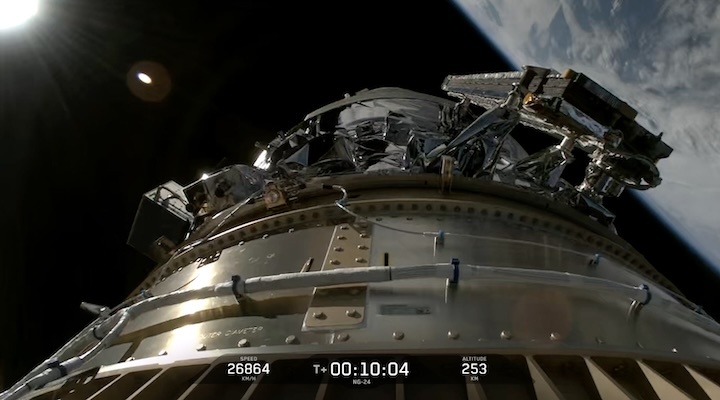
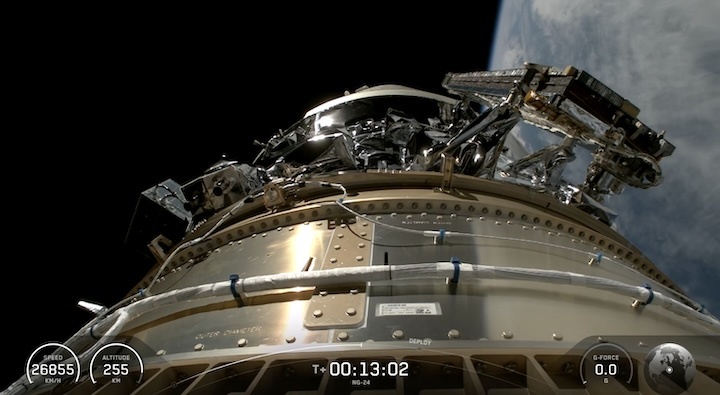
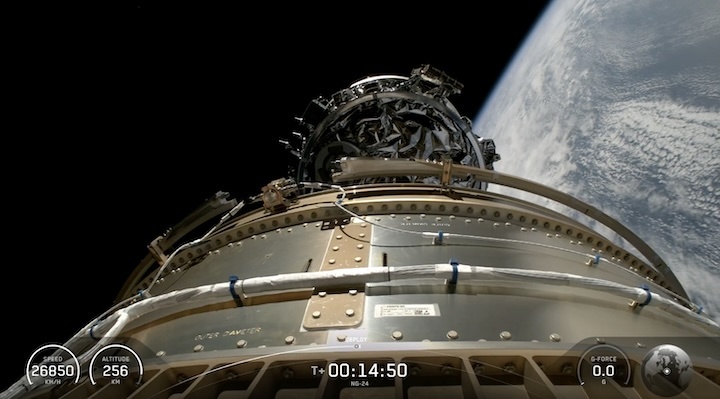
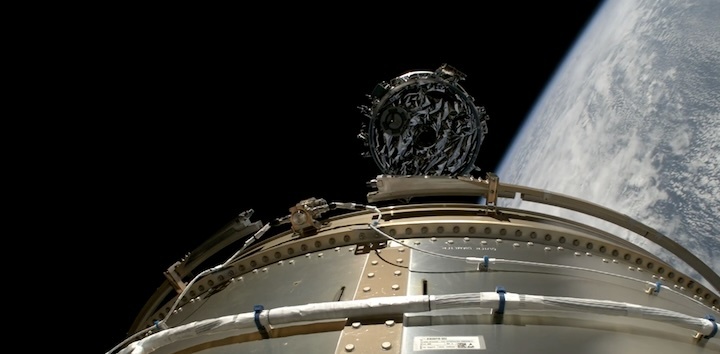
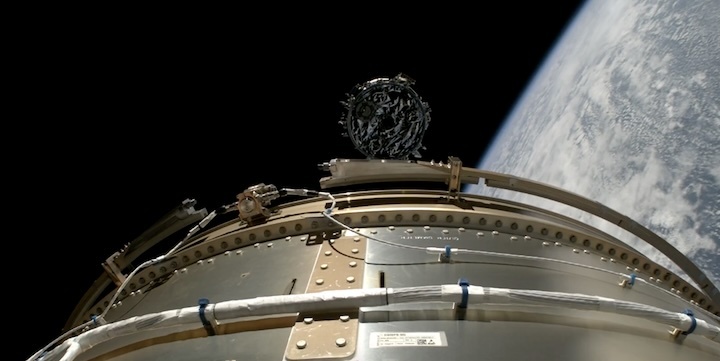
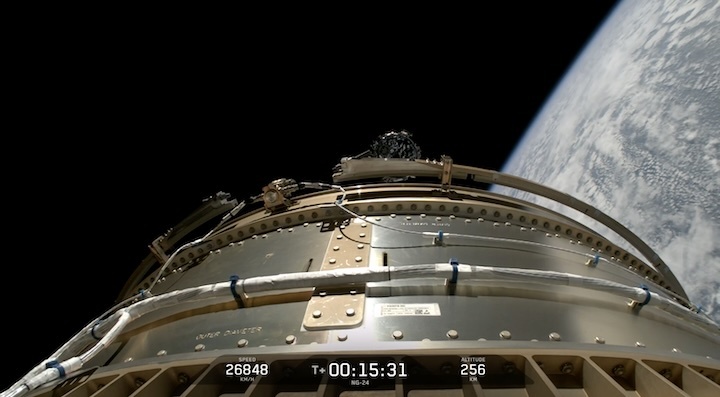
On Saturday, April 11 at 7:41 a.m. ET, Falcon 9 launched Northrop Grumman’s commercial resupply mission NG-24 to the International Space Station from Space Complex 40 (SLC-40) at Cape Canaveral Space Force Station in Florida.
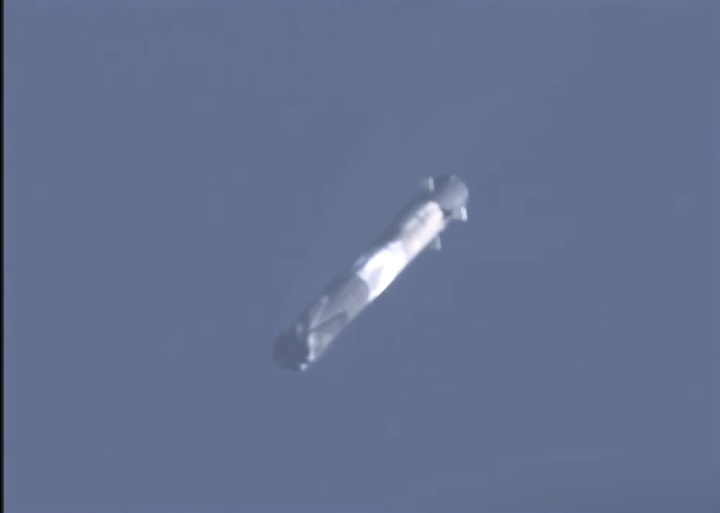
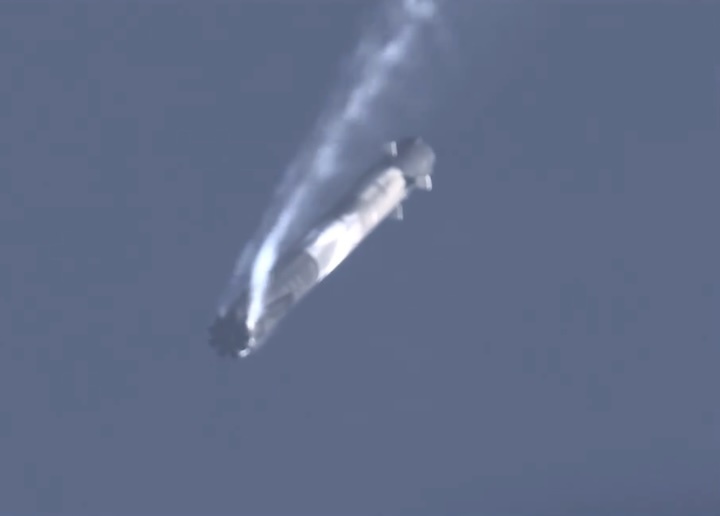
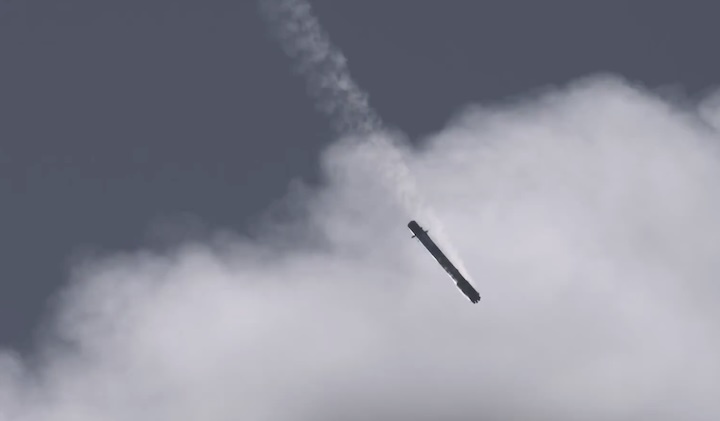
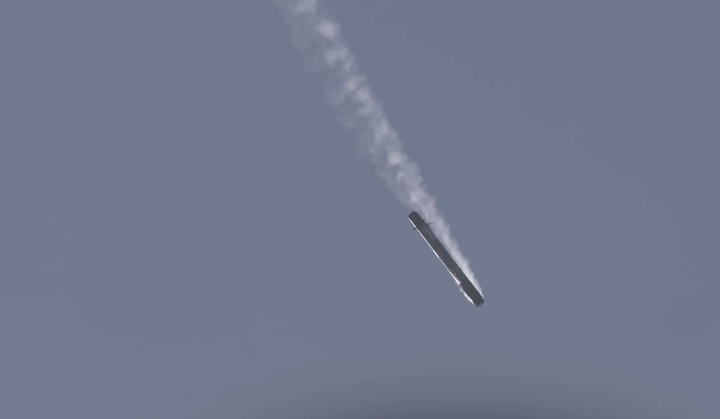
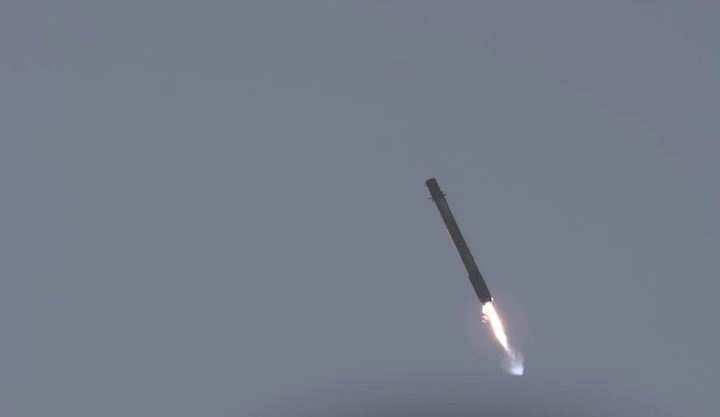
This was the seventh flight of the first stage booster supporting this mission, which previously launched Ax-4, Crew-11, NG-23, and three Starlink missions. Following stage separation, Falcon 9 landed on Landing Zone 40 (LZ-40) at Cape Canaveral Space Force Station.
Quelle: SpaceX