
16.02.2026
STARLINK MISSION
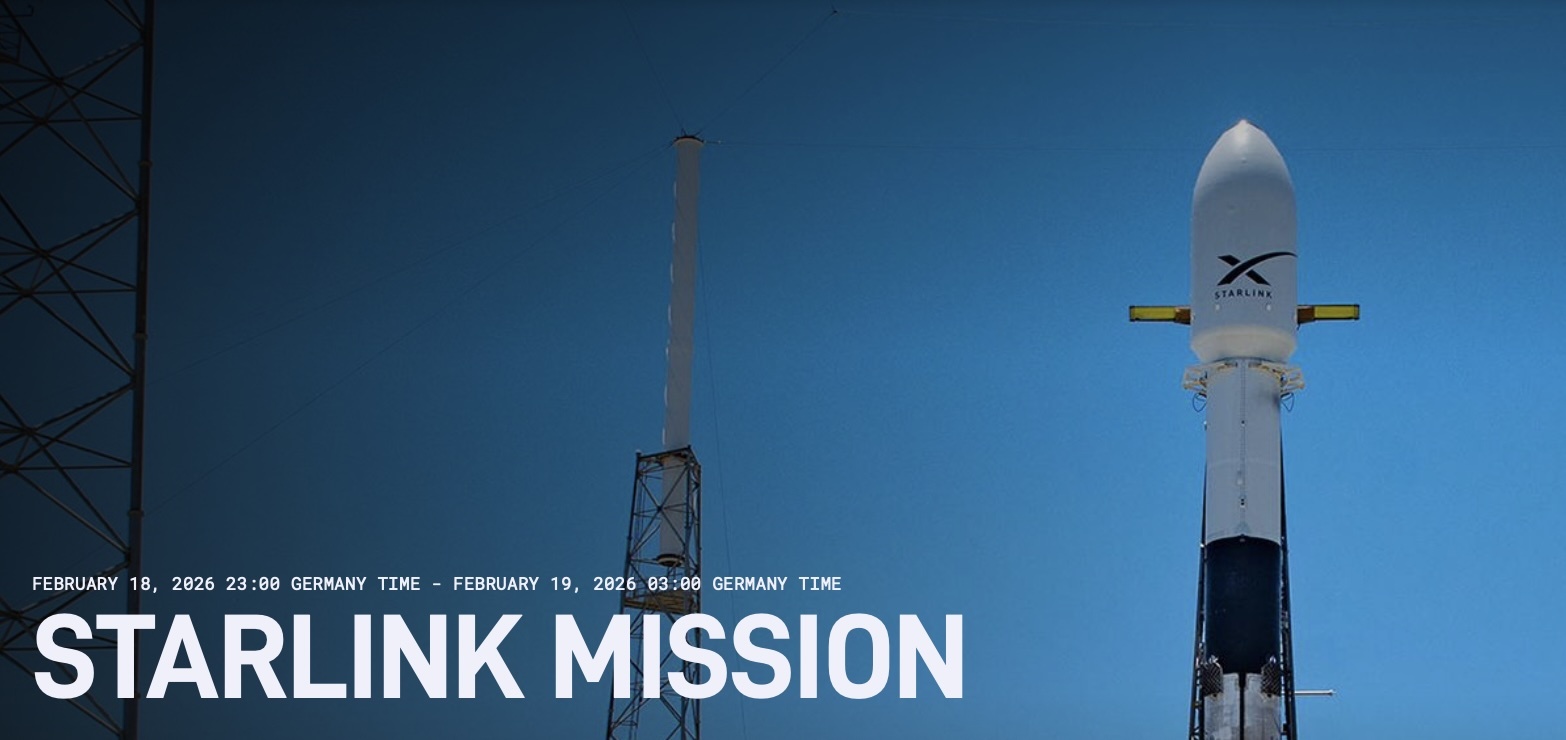
SpaceX’s Falcon 9 is targeting the launch of 29 Starlink satellites to low-Earth orbit from Space Launch Complex 40 (SLC-40) at Cape Canaveral Space Force Station in Florida.
A live webcast of this mission will begin about five minutes prior to liftoff, which you can watch here and on X @SpaceX. You can also watch the webcast on the X TV app.
This will be the 26th flight for the first stage booster supporting this mission, which previously launched Crew-5, GPS III Space Vehicle 06, Inmarsat I6-F2, CRS-28, Intelsat G-37, NG-20, TD7, and 18 Starlink missions. Following stage separation, the first stage will land on the Just Read the Instructions droneship, which will be stationed in the Atlantic Ocean off the coast of The Bahamas.
There is the possibility that residents of and visitors to The Bahamas may hear one or more sonic booms during the landing, but what may be experienced will depend on weather and other conditions.
Quelle: SpaceX
----
Update: 19.02.2026
.
SpaceX will resume landing rockets in The Bahamas after raining debris on the country last year
"All requisite regulatory and environmental reviews and clearances have been completed in accordance with aerospace safety and operational protocols."
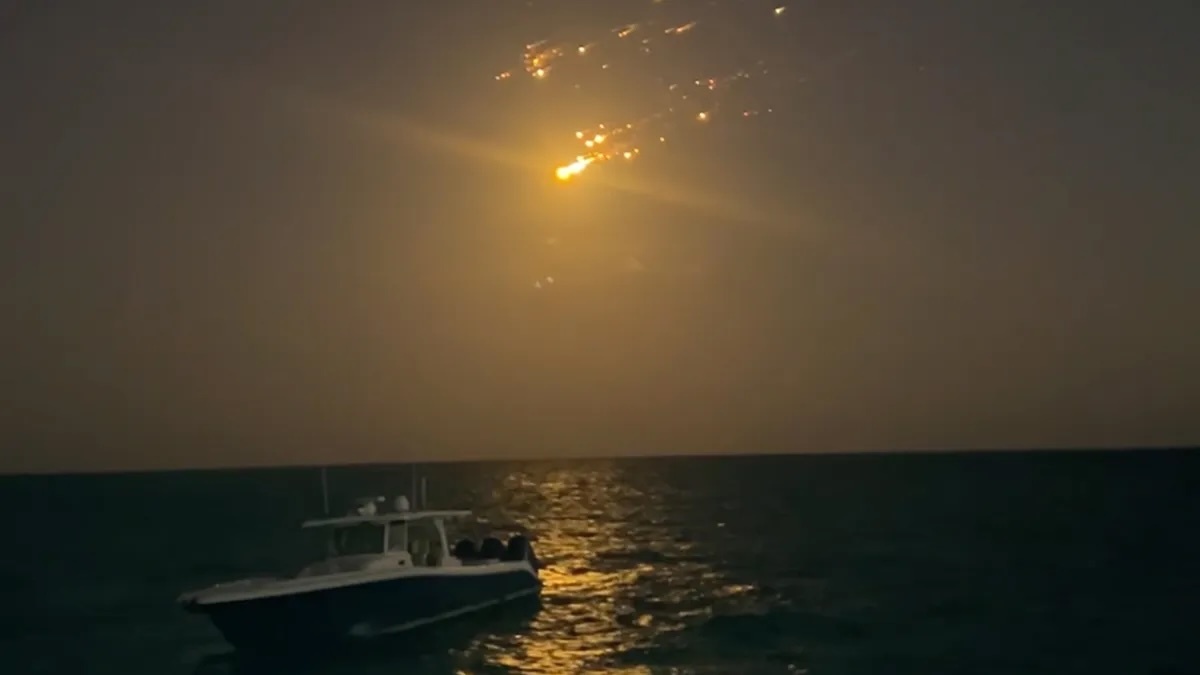
Debris from the upper stage of SpaceX's Starship megarocket is seen in the skies over The Bahamas on March 6, 2025. (Image credit: Stefanie Waldek, used with permission
SpaceX can land its rockets in The Bahamas again — and will do so very soon, if all goes according to plan.
On Tuesday (Feb. 17), the Civil Aviation Authority of The Bahamas (CAA-B) approved the resumption of Falcon 9 first-stage touchdowns in the nation's waters. The decision ended a lengthy review spurred by a test flight mishap with SpaceX's Starship megarocket, which rained debris down on parts of the island nation nearly a year ago.
"All requisite regulatory and environmental reviews and clearances have been completed in accordance with aerospace safety and operational protocols," CAA-B officials wrote in an update on the agency's website.
SpaceX and The Bahamas announced the rocket-landing collaboration in early 2025. It allows Falcon 9s flying from Florida's Space Coast to reach new orbital trajectories, according to the company. (Most Falcon 9 launches from Florida take a more easterly tack, and their boosters touch down in the open waters of the Atlantic.)
A Falcon 9 booster made its first Bahamian landing exactly one year ago, touching down on a drone ship in the nation's Exuma Sound during a launch of SpaceX's Starlink internet satellites on Feb. 18, 2025.
SpaceX had hoped to make 20 Bahamas touchdowns last year, but the tally remained stuck at one. The Starship test-flight incident occurred on March 6, and on April 15, Bahamian officials announced they had put the partnership on hold, citing the need to conduct an environmental assessment of rocket landings.
But that assessment is now complete, with the results going SpaceX's way. And the company plans to return to The Bahamas very soon.
A Falcon 9 first stage will land on a drone ship in Exuma Sound during the Starlink Group 10-36 mission, which will launch 29 of the broadband satellites to low Earth orbit from Cape Canaveral Space Force Station. Liftoff is currently scheduled for Thursday (Feb. 19), during a four-hour window that opens at 5 p.m. EST (2200 GMT).
Last March's Starship launch was the vehicle's eighth test flight. The ninth, which flew in May, also featured an upper-stage breakup (though not over the Caribbean). But Starship flights 10 and 11 — which launched in August and October, respectively — were both successful.
Quelle: SC
----
Update: 22.02.2026
.
Falcon 9 rocket sets new reuse record on SpaceX's 2nd Starlink launch of the day
The second of two SpaceX Falcon 9 rockets launched on Saturday (Feb. 21) completed a record-breaking 33rd re-flight.
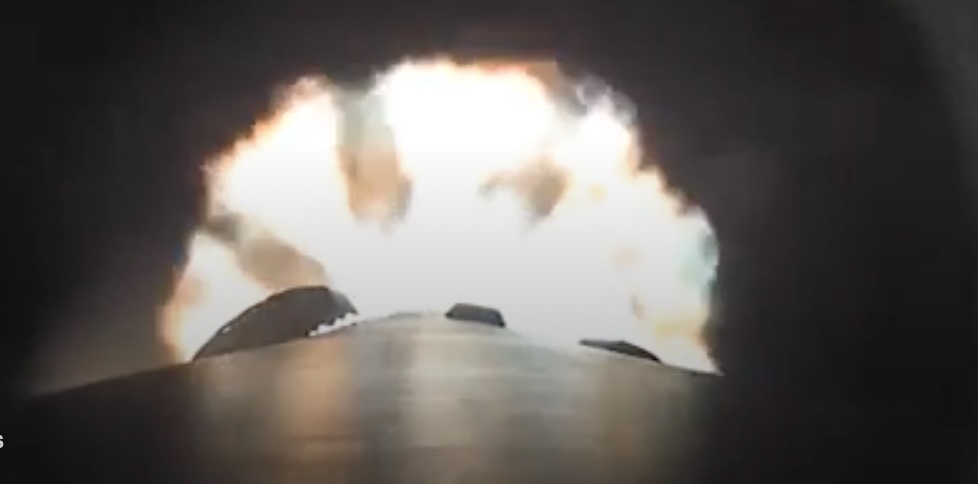
SpaceX launched two more batches of Starlink satellites on Saturday (Feb. 21), and in the process set a new rocket reuse record.
First up at 4:04 a.m. EST (0904 GMT or 1:04 a.m. PST local time), a Falcon 9 lifted off from Space Launch Complex 4 East (SLC-4E) from Vandenberg Space Force Base in California. Twenty-five (25) Starlink satellites (Group 17-25) were lofted part of the way into space by a booster (B1063) making its 31st flight.
Then, at 10:47 p.m. EST on Saturday (0347 GMT on Feb. 22), another Falcon 9 took flight from Space Launch Complex 40 (SLC-40) at Cape Canaveral Space Force Station in Florida. That booster (B1067) carried 28 satellites (Starlink Group 6-104) on its record-setting 33rd trip to space and back.
Both launches successfully reached orbit. The second mission was on track to deploy its satellites when this article went to print.
The California flight included a first stage landing on the droneship "Of Course I Still Love You" positioned in the Pacific Ocean. The first stage launched from Florida touched down on "A Shortfall of Gravitas" in the Atlantic Ocean.
The 53 new Starlink satellites added to SpaceX's megaconstellation of more than 9700 active broadband internet relay units. The dual missions marked the 21st and 22nd Falcon 9 launches of the year.
Quelle: SC