
7.01.2026
Isro to launch startup's satellite refuelling mission with PSLV-C62: What is it?
AayulSAT aims to extend satellite lifespans by enabling refuelling and servicing in orbit, addressing space debris and sustainability challenges.
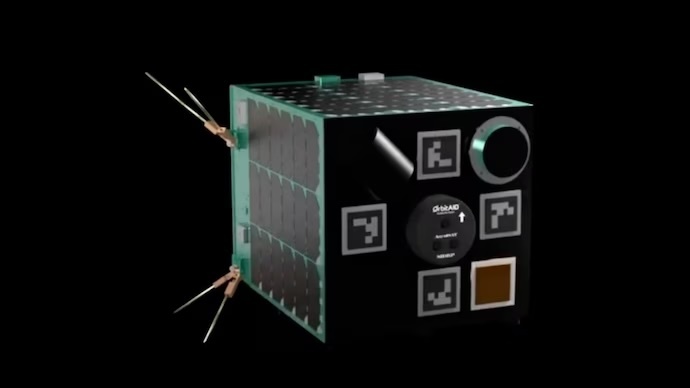
AayulSAT will demonstrate on-orbit propellant, power & data transfer. (Photo: OrbitAid)
Bengaluru-based space startup OrbitAID Aerospace is set to make history with AayulSAT, India’s first on-orbit satellite refuelling payload aboard Isro’s PSLV-C62 mission.
Scheduled for liftoff on January 12, 2026, at 10:17 AM IST from the First Launch Pad at Sriharikota, the mission deploys EOS-N1 (Anvesha) as its primary Earth observation satellite alongside 18 co-passengers, including this groundbreaking technology demonstrator.
WHAT IS AAYULSAT?
AayulSAT aims to extend satellite lifespans by enabling refuelling and servicing in orbit, addressing space debris and sustainability challenges.
OrbitAID’s proprietary Satellite Interface for Docking and Refuelling Protocol (SIDRP) docking interface promises compatibility with both Indian and international satellites.
“AayulSAT is more than a mission, it’s the foundation of the on-orbit economy,” declares Sakthikumar Ramachandran, Founder and CEO of OrbitAID Aerospace.
BUILDING ON ISRO’S SPADEX SUCCESS
This demo follows Isro’s SPADeX mission in early 2025, which successfully validated docking between two satellites in space, India’s first such feat.
OrbitAID leverages those insights to commercialise on-orbit services, positioning India as a key player in global space infrastructure.
Ramachandran emphasises collaboration with local universities, startups, and international partners to scale capabilities.
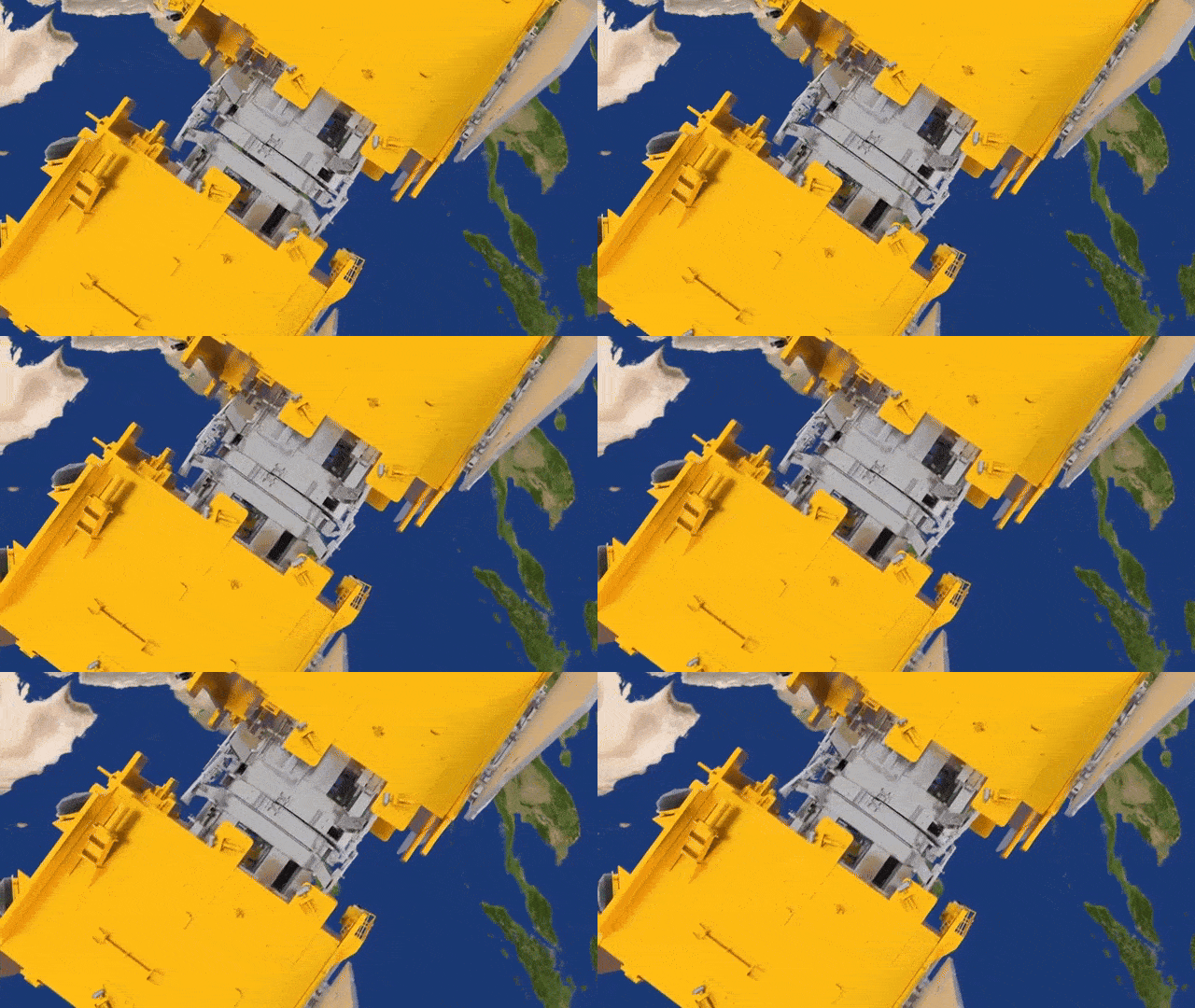
STARTUP’S STRATEGIC FUNDING BOOST
OrbitAID secured seed investment in 2026 from Unicorn India Ventures. Managing Partner Bhaskar Majumdar praised the firm’s disciplined approach:
“OrbitAID demonstrates the ability to achieve audacious goals while remaining prudent with capital.” This funding fuels the development of refuelling depots and robotic servicing arms.
PSLV-C62 marks Isro’s first launch of 2026, and the 64th PSLV flight using the DL variant with two strap-on boosters.
It rebounds from the PSLV-C61 failure, reaffirming the launcher’s reliability for small satellites. Other notable payloads include MOI-1 (AI-enabled Earth imaging from Hyderabad startups), IMJS (Indo-Mauritius joint satellite), and Spain’s KID reentry capsule.
Success of AayulSAT could spark an Indian on-orbit servicing industry, reducing launch costs and enabling reusable satellites. As Ramachandran notes, it advances India’s role in sustainable space efforts amid growing private sector participation.
Quelle: INDIA TODAY
----
Update: 10.01.2026
.
Isro to launch PSLV on January 12. We still don't know why it failed last time
This mission follows the dramatic failure of PSLV-C61 on May 18, 2025, when the rocket was declared a loss just eight minutes after launch.
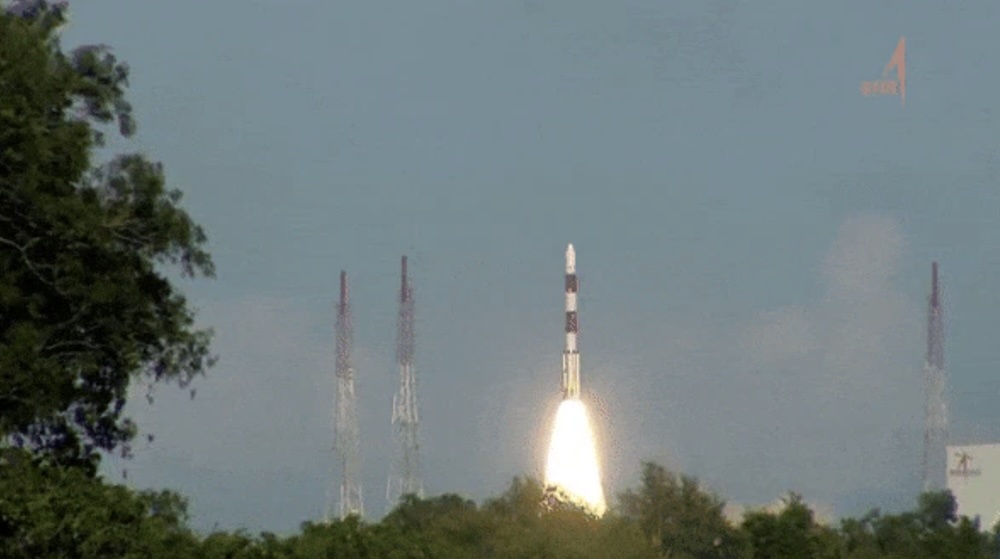
The Indian Space Research Organisation (Isro) will attempt to reclaim momentum with the PSLV-C62 mission on January 12, 2026, marking the agency's first orbital launch of the year from the Satish Dhawan Space Centre in Sriharikota.
Slated for liftoff at 10:17 AM IST, the PSLV-DL variant, its 64th flight overall, will deploy the primary payload EOS-N1 also called Anvesha, a hyperspectral Earth observation satellite developed by the Defence Research and Development Organisation (DRDO) for strategic monitoring in agriculture, urban mapping, and environmental assessment.
COMEBACK AFTER PSLV-C61 DEBACLE
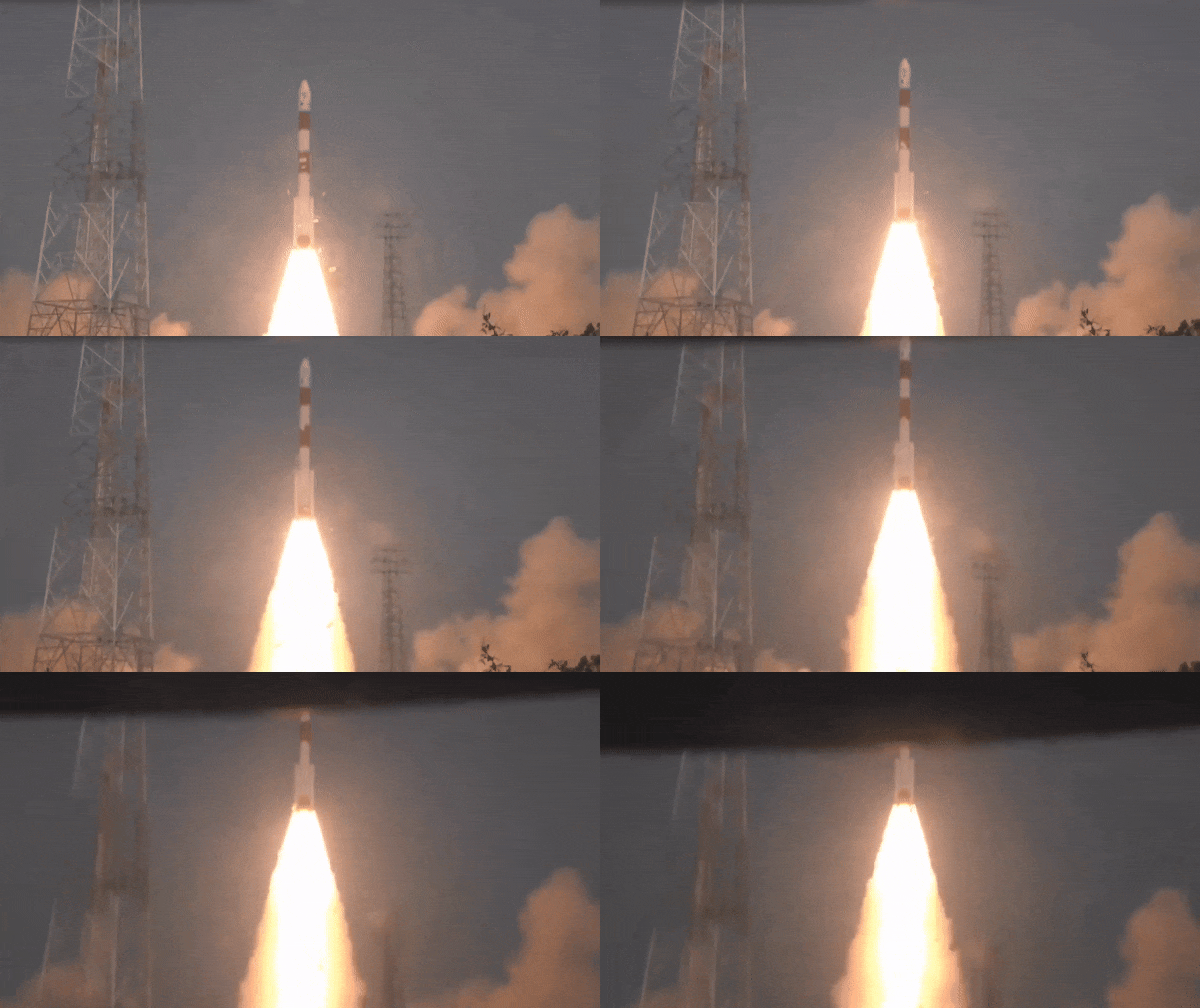
This mission follows the dramatic failure of PSLV-C61 on May 18, 2025, when the rocket was declared a loss just eight minutes after launch.
The first two stages performed nominally, but a critical drop in chamber pressure during third-stage ignition caused thrust loss, preventing the EOS-09 radar imaging satellite from reaching orbit and rendering it useless, as later confirmed in Parliament.
Isro Chairman V. Narayanan attributed the anomaly to the third-stage motor, but a detailed Failure Analysis Committee (FAC) report remains unpublished eight months later, fuelling transparency concern.
UNANSWERED QUESTIONS AND PUBLIC SCRUTINY
Isro has stayed tight-lipped on root causes, such as potential nozzle control failures or casing ruptures in the solid-fuel third stage, despite multiple inquiries to the chairman's office going unanswered.
Experts speculate the PSLV fleet was grounded post-failure for rigorous reviews, a standard protocol after rare setbacks in its 94% success history.
Parliament records note the satellite's total loss, raising accountability questions as India eyes ambitious goals like Gaganyaan and Chandrayaan missions.
Emails with questions around the report to the Isro Chairman's office have remained unanswered. Senior officials at Isro have denied commenting on the status of the report, citing a lack of authorisation.
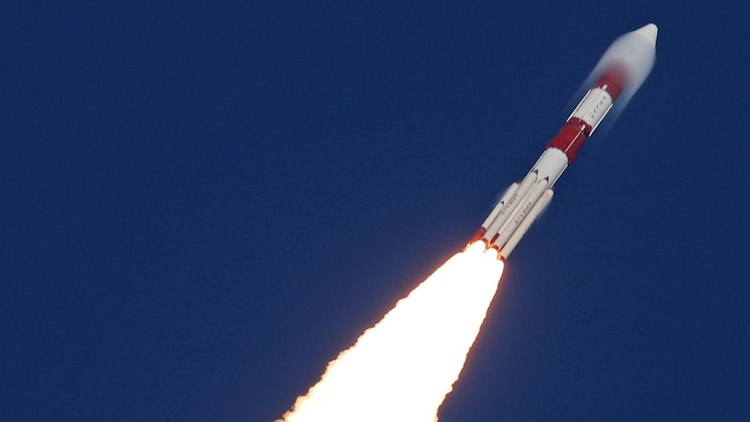
STAKES HIGH FOR PSLV'S RELIABILITY
PSLV-C62's success is crucial for Isro's commercial rideshare business and 2026 lineup.
While Isro asserts confidence in fixes, the opacity around C61 points to the pressures on the space agency to balance rapid iteration with disclosure, especially amid growing private sector competition.
A flawless liftoff could silence critics and reaffirm PSLV as India's workhorse rocket.
Quelle: INDIA TODAY