
15.01.2026

















Quelle: SpaceX, NASA
+++
Crew splashes down safely after medical issue cuts ISS stay short
The first medically-driven early end to a U.S. space mission has now been safely completed.
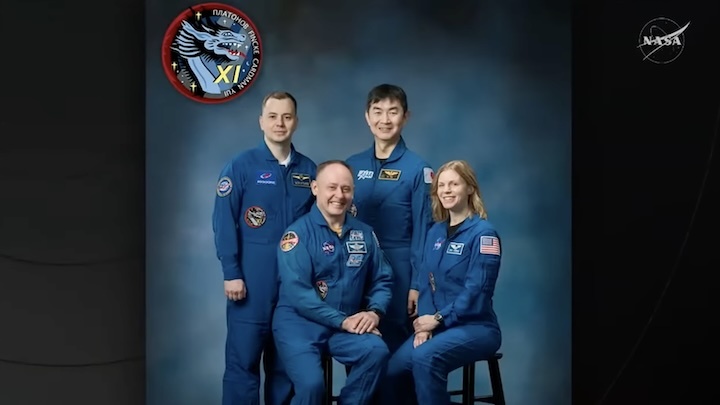
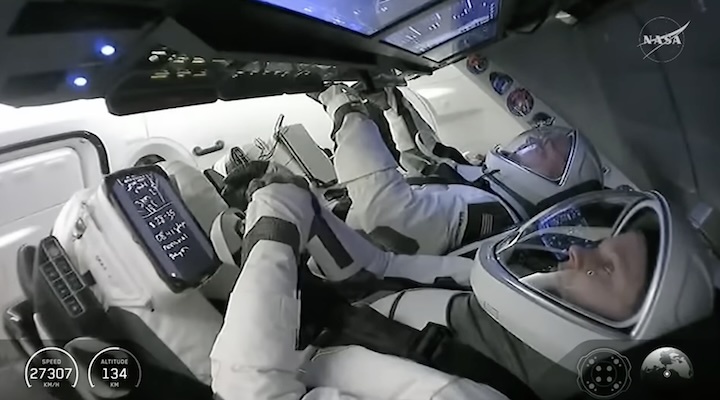
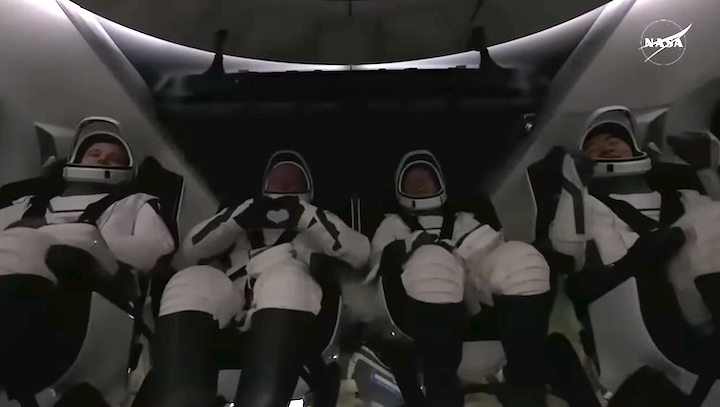
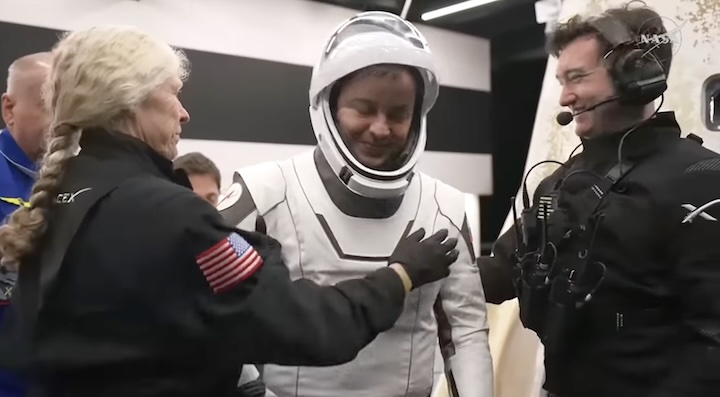
NASA astronauts Mike Fincke and Zena Cardman, Japanese astronaut Kimiya Yui of JAXA (the Japan Aerospace Exploration Agency) and Russian cosmonaut Oleg Platonov of Roscosmos returned from the International Space Station on Thursday (Jan. 15), a few weeks earlier than they had originally been scheduled to come home.
"It's good to be home," radioed Cardman just minutes after splashing down off the coast of San Diego. "Extreme gratitude to the teams who got us there and back."
One of the crew members has a medical concern that while now "stable" needs more than what can be currently done on orbit. As such, the decision was made to bring him or her home early. Citing medical privacy, NASA officials said it would be "inappropriate" to share more details, including identifying who it was among the four SpaceX Crew-11 members.
"After discussions with our chief health and medical officer, Dr. [James] 'JD' Polk, and leadership across the agency, I have come to the decision that it's in the best interests of our astronauts to return Crew-11," said Jared Isaacman, NASA Administrator, during a Jan. 8 press conference, the day after the medical issue presented itself.
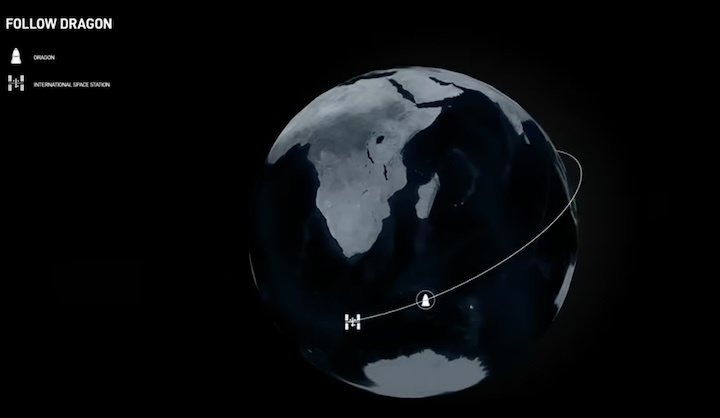
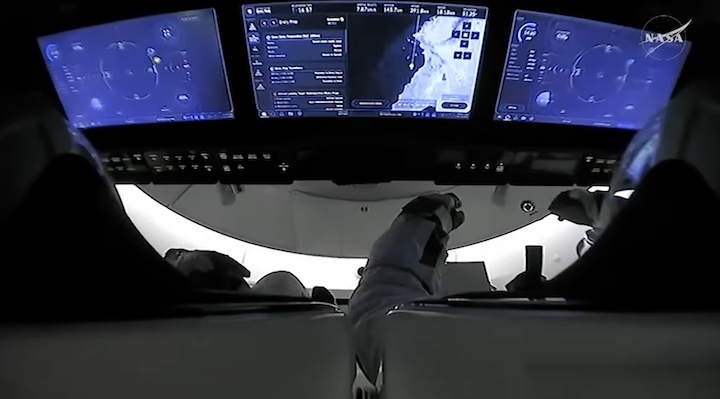
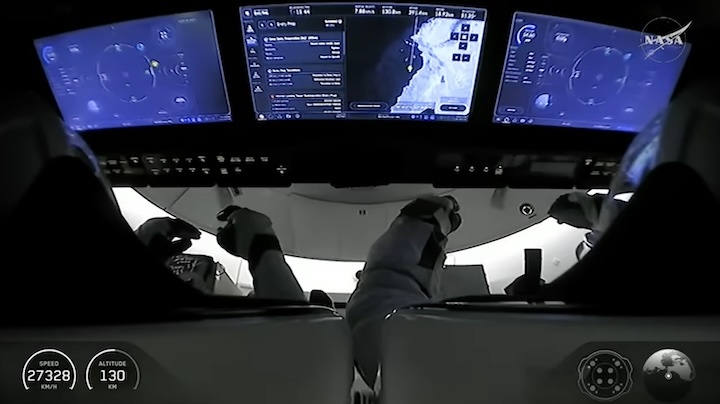
Hence, on Wednesday (Jan. 14), the astronauts and cosmonaut boarded their Crew Dragon "Endeavour," closed the hatch and departed their home of five and a half months. The capsule undocked from the space-facing port of the station's Harmony module at 5:20 p.m. EST (2220 GMT) and conducted a de-orbit burn approximately 10 hours later.
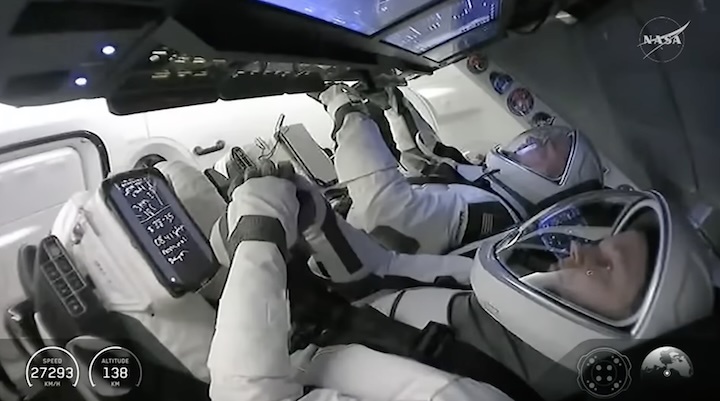
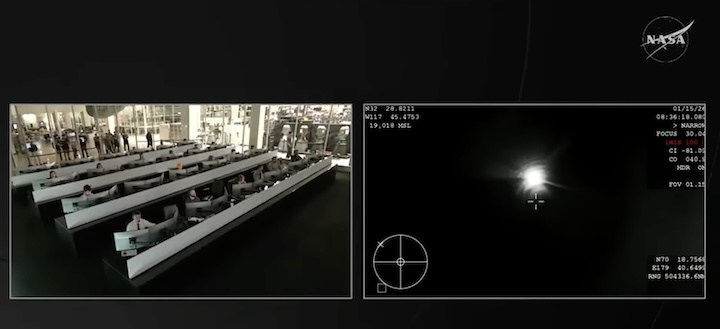
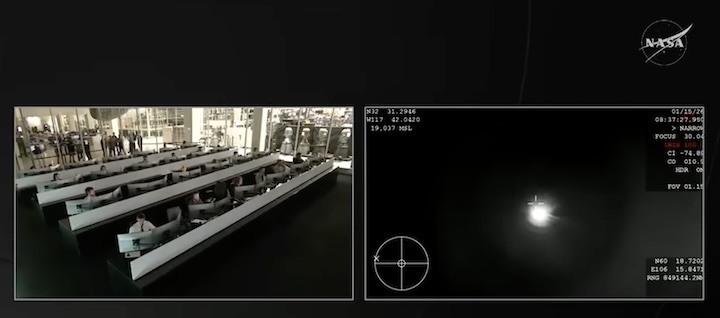
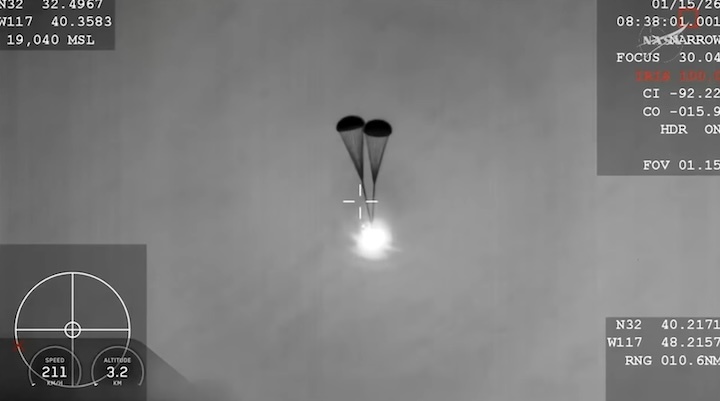
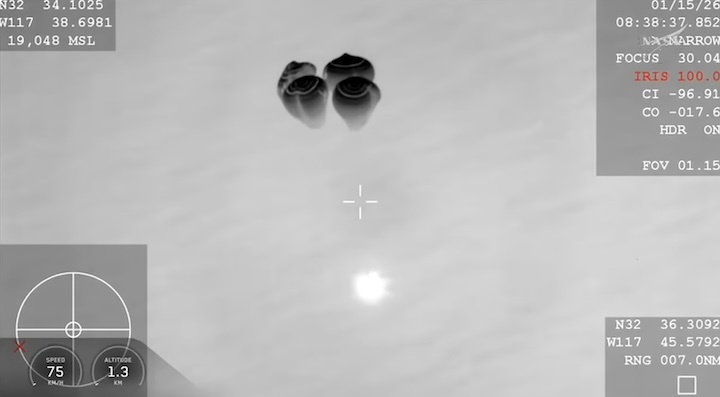
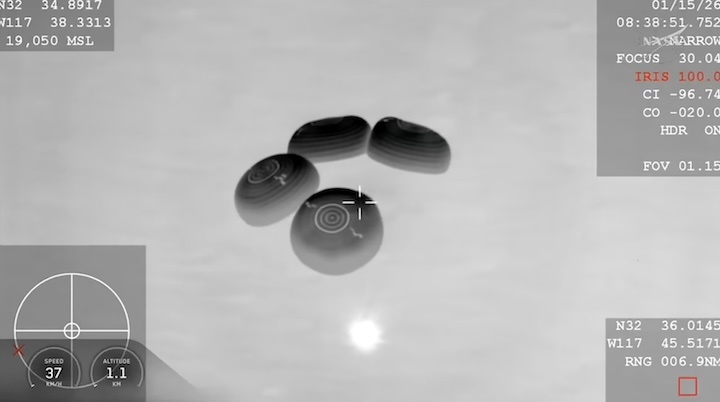
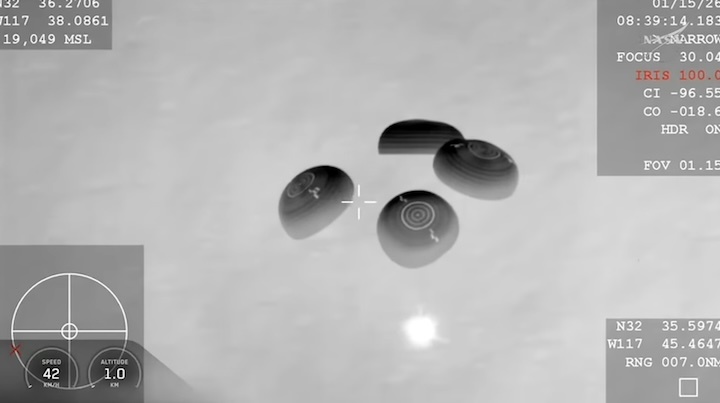
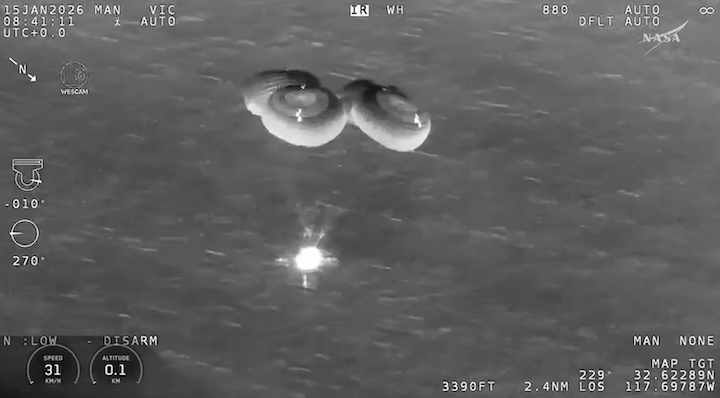
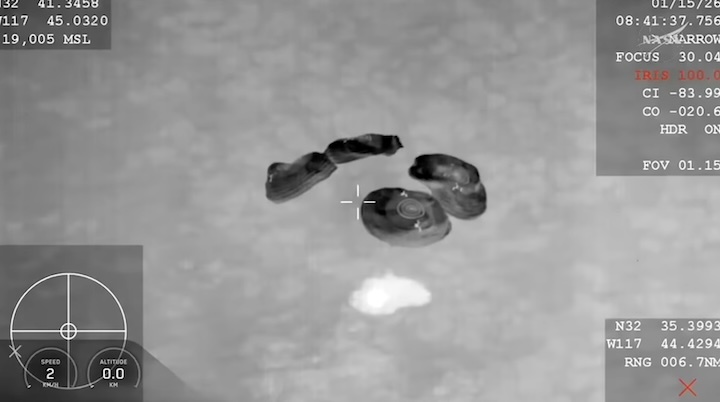
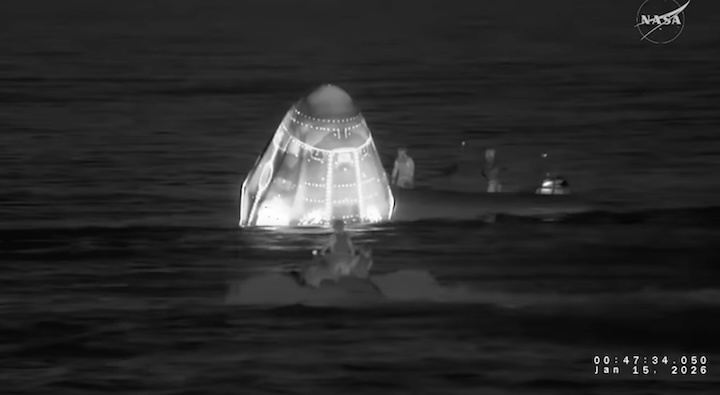
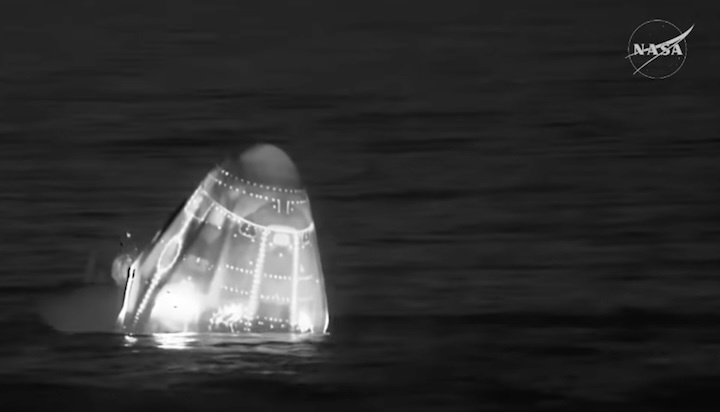
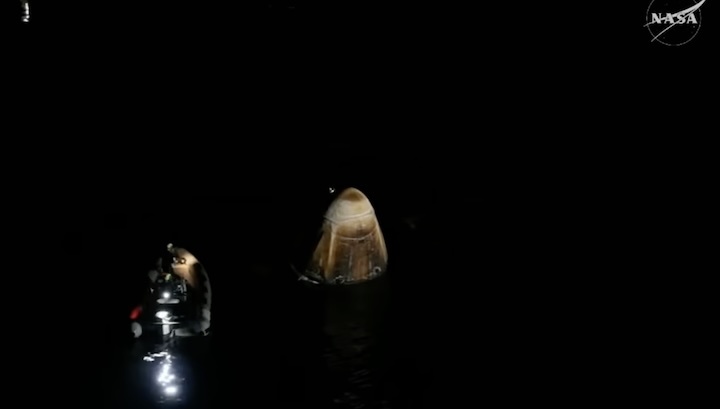
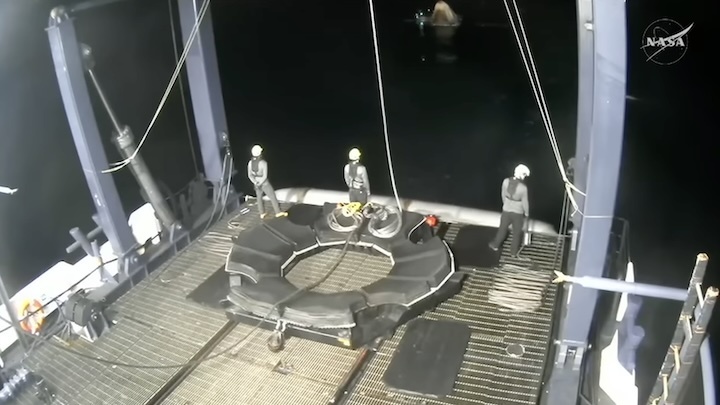
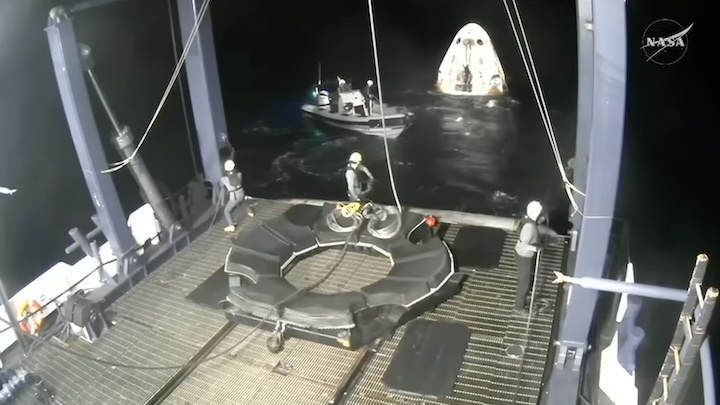
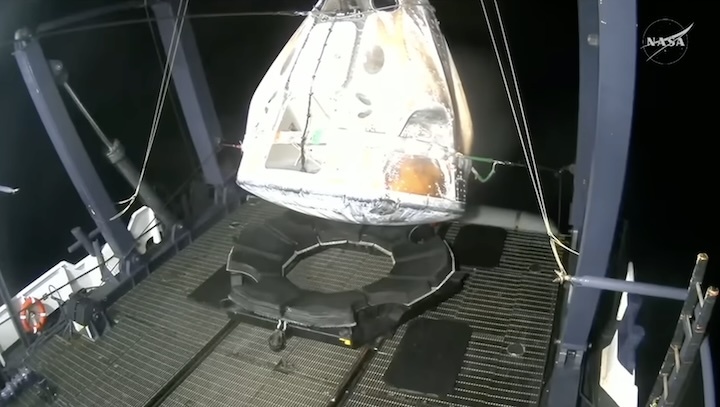
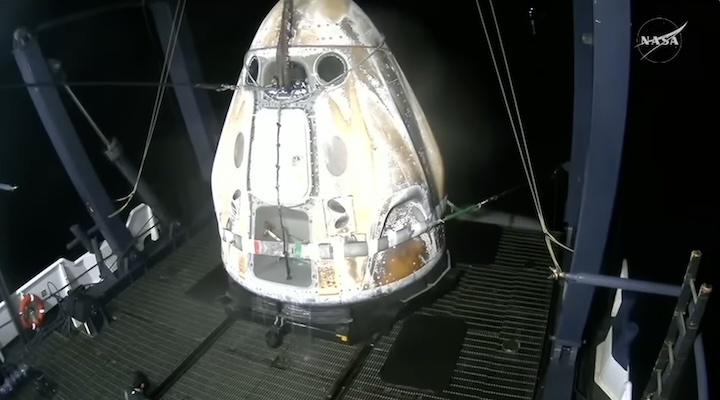
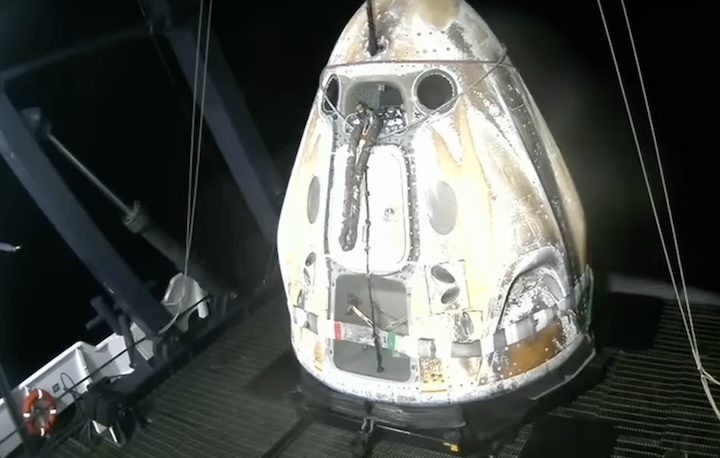
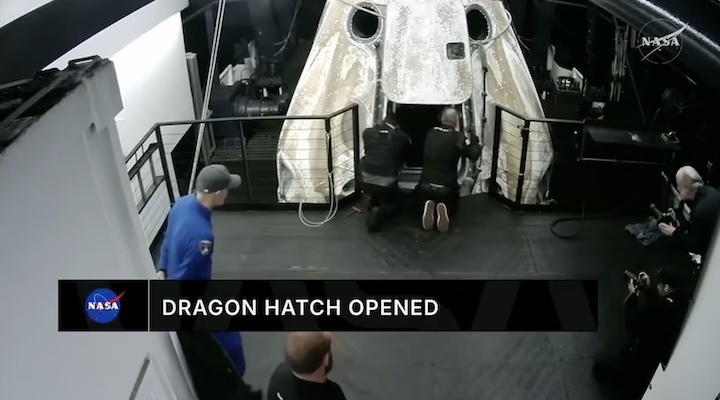
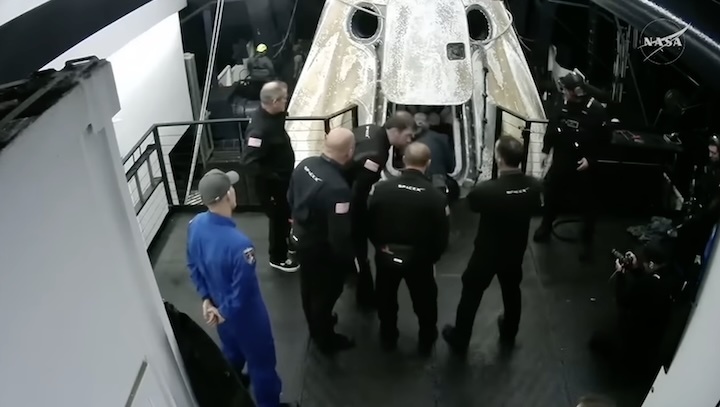
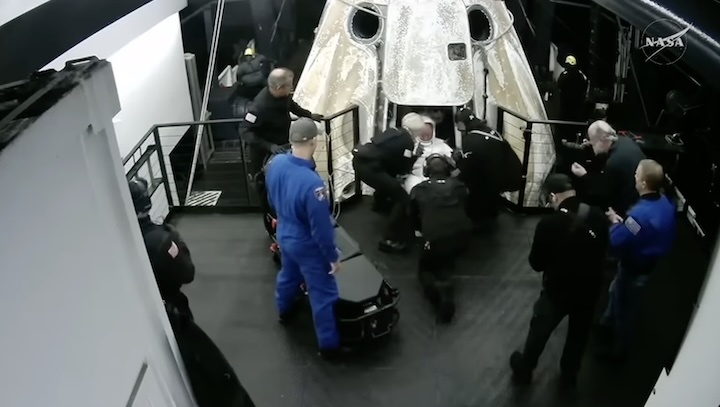
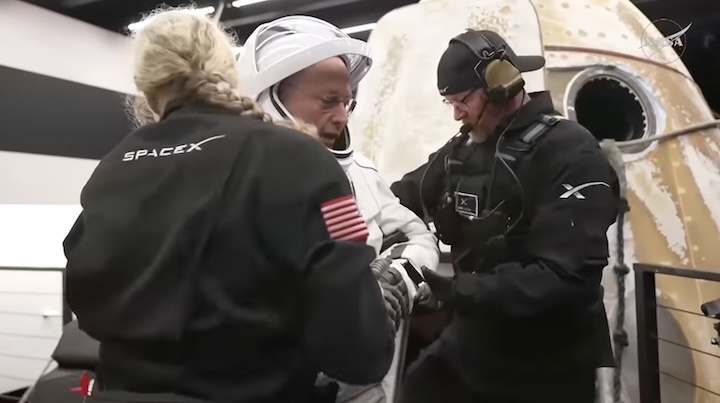
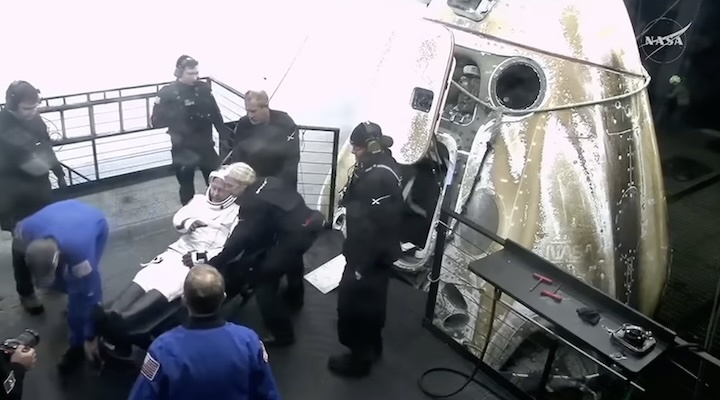
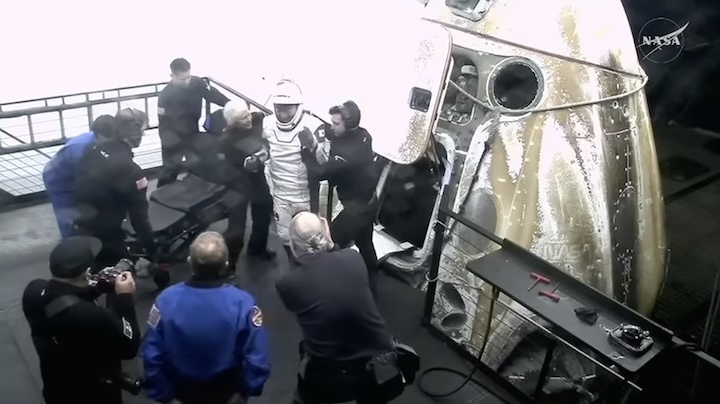
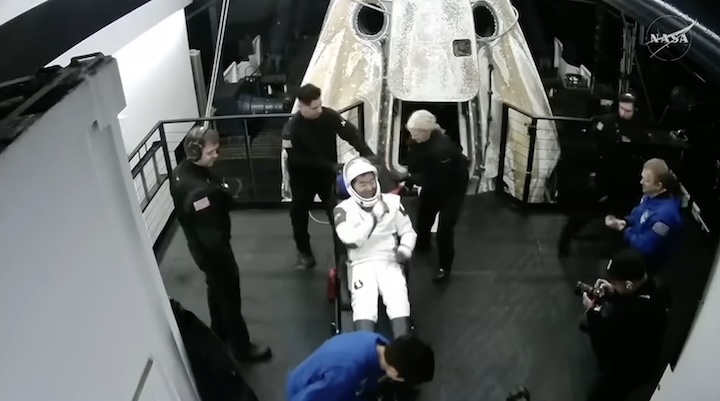
Descending under four parachutes, Endeavour dropped into the Pacific Ocean at 3:41 a.m. EST (0841 GMT) on Thursday. SpaceX recovery ships, including one carrying a medical team, soon met up with the spacecraft, hauled it on board and assisted the crew members out.
Fincke, Cardman, Yui and Platonov were next to be flown by helicopter to a local hospital for continued medical checkouts and care before returning to Houston by NASA aircraft.
"These are interesting times," said Fincke during a change of command ceremony while still on board the space station on Monday. "Now it is coming to an end when we get to go home."
Fincke expounded on the situation in a social media post.
"This was a deliberate decision to allow the right medical evaluations to happen on the ground, where the full range of diagnostic capability exists," he wrote. "It's the right call, even if it's a bit bittersweet."
Roscosmos cosmonaut Sergey Kud-Sverchkov, who arrived at the ISS in late November, took over for Fincke as commander of the Expedition 74 crew. He and fellow cosmonaut Sergey Mikayev, along with NASA astronaut Chris Williams, will continue to staff the station as a three-person crew until SpaceX's four-member Crew-12 launch, as currently slated for Feb. 15.
In addition to being a first in the 65 years of U.S. human spaceflight history, never before has the International Space Station experienced a medical evacuation in its 25 years of continuous occupancy.
"We've had many ... analysis models that have said we should have had a medical evacuation approximately every three years in that 25-year history," said Polk. "And even in this case, we're erring on the side of caution. It's not an emergent evacuation, but we are erring on the side of caution for the crew member and in their best interest and their best medical welfare."
The former Soviet Union reportedly had at least three crew members develop medical issues requiring their return to Earth.
In August 1976, a planned 60-day mission to the Salyut 5 space station was cut short when Soyuz 21 cosmonauts Boris Volynov and Vitaly Zholobov landed about a month earlier than expected. The reason for their departure has been attributed to the station's atmosphere becoming toxic as a result of the chemicals being used to expose surveillance photographs. By some accounts, Zholobov, in particular, fell ill.
Nine years later in November 1985, Soyuz T-14 commander Vladimir Vasyutin developed an acute prostate infection, quickly reaching the point where he could no longer carry out his responsibilities aboard the Salyut 7 space station. The mission was promptly curtailed just two months into a planned six-month stay in space.
In July 1987, half way through a 10-month mission on the Mir space station, Soyuz TM-2 flight engineer Aleksandr Laveykin was replaced by another cosmonaut after he experienced minor issues with his heart and was ordered to come home by doctors on the ground.
Even coming home early, Cardman, Fincke, Yui and Platonov were able to complete most of their assigned tasks, including contributing to hundreds of science experiments while members of the Expedition 73 and 74 crews. They also oversaw the arrival and departure of cargo vehicles, including Japan's first upgraded spaceship, HTV-X1.
Cardman and Fincke had been preparing to conduct a spacewalk together on Jan. 8, when it and a subsequent second planned U.S. EVA (extravehicular activity) were postponed due to the crew member's medical concern. Polk said the health issue "had nothing to do with the operational environment" and so was unrelated to the spacewalk.
This mission was Fincke's fourth spaceflight, Yui's second and both Carman and Platonov's first. During the 165 days he and his three crewmates were on the station, Fincke earned his 500 days patch, having now logged 549 days in space over the course of his four missions. He now ranks fourth among all American astronauts and 20th on the worldwide list of space travelers.
Yui has now a career total of 309 days in space.
Crew-11 was the sixth flight for Dragon Endeavour and its first splashdown off the west coast. The crew and capsule completed 2,672 orbits around the planet while traveling 70.8 million statute miles (113,941,555 kilometers).
Quelle: CS