
25.08.2024
Amazon aims to launch first Project Kuiper satellites by year's end aboard ULA Atlas V
Amazon hopes to launch its first full-scale Project Kuiper missionduring the fourth quarter of the year — think October, November or December — aboard a United Launch Alliance Atlas V rocket from Cape Canaveral.
"We're going to continue to increase our rates of satellite production and deployment heading into 2025. And we remain on track to begin offering service to customers next year, which we're very excited by," said Brian Huseman, Amazon vice president of public policy and community engagement.
Huseman made the Project Kuiper timing announcement during a Friday morning speech at the Space Coast Symposium, which drew a sellout crowd to the Astronauts Memorial Foundation at the Kennedy Space Center Visitor Complex.
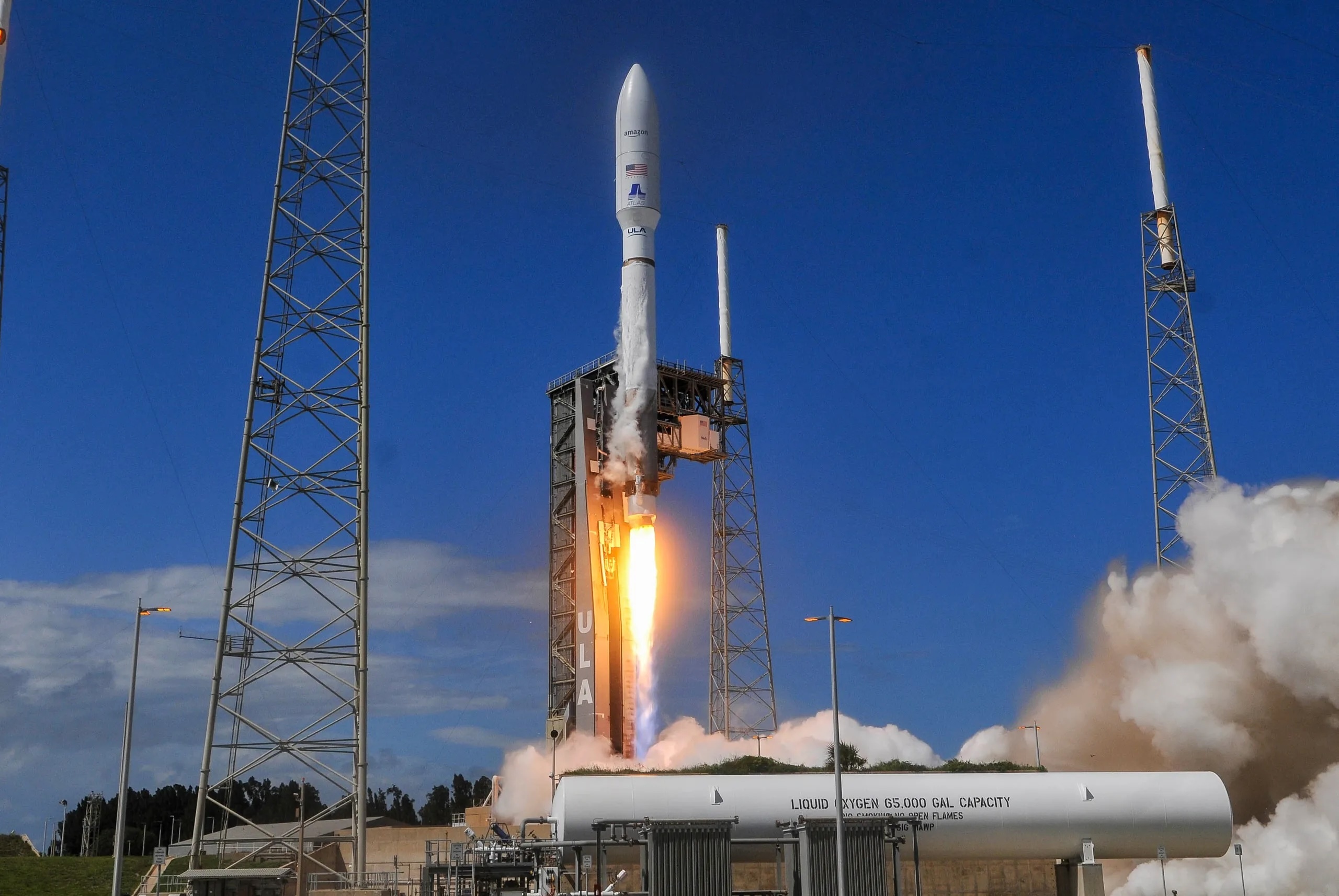
Project Kuiper prototype mission declared successful
Last October, a 196-foot-tall ULA Atlas V launched Amazon's prototype KuiperSat-1 and KuiperSat-2 satellites into low-Earth orbit from Launch Complex 41 at Cape Canaveral Space Force Station.
During Friday's speech, Huseman said both prototype satellites are "in the process of safely de-orbiting now." He said both satellites accomplished a 100% success rate across the mission's objectives.
Amazon is constructing a $120 million, 100,000-square-foot satellite processing plant at NASA's Launch and Landing Facility at Kennedy Space Center. Thursday, the company announced this complex will expand to include a 42,000-square-foot flight hardware building, adding another $19.5 million investment.
Huseman said Amazon has hired 45 full-time workers for these Space Coast facilities, with another 15 employees expected to be hired in light of the expansion.
Project Kuiper has competition already in the skies with SpaceX's Starlink internet satellite constellation, which began launching in 2019. SpaceX has thousands of Starlink satellites in orbit thanks to regular Falcon 9 launches from the Space Coast and California.
Quelle: Florida Today
----
Update: 16.12.2025
.
Watch Atlas V rocket launch 27 of Amazon's internet satellites to orbit early Dec. 16
Liftoff is scheduled for 3:28 a.m. ET on Tuesday (Dec. 16).
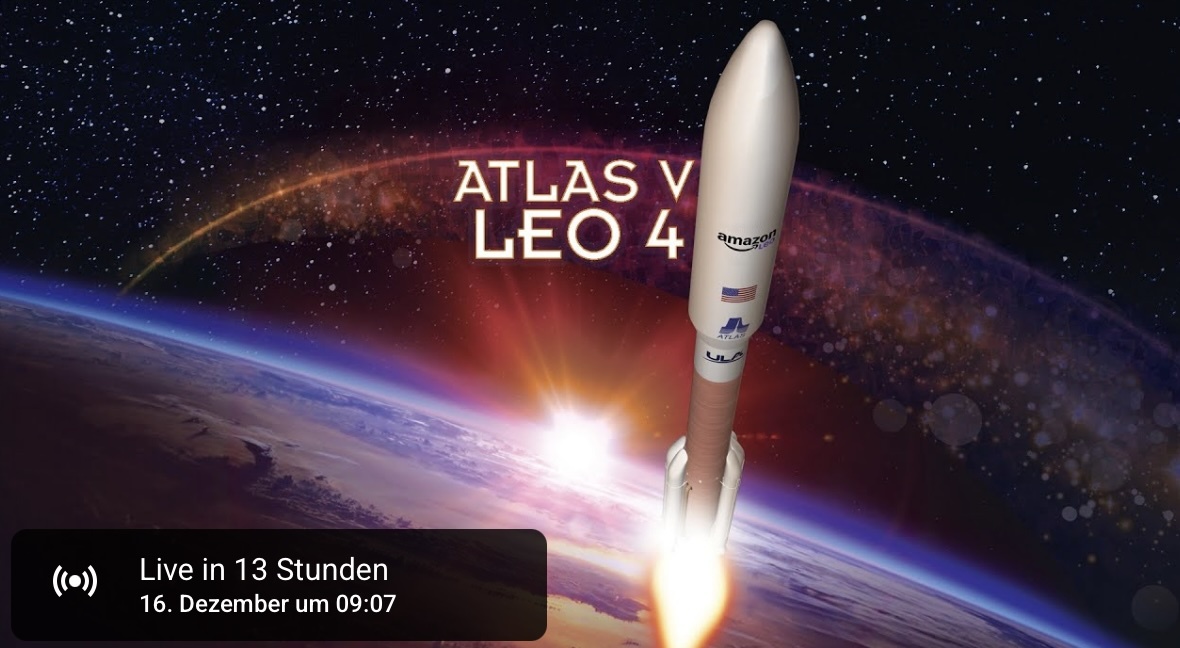
United Launch Alliance (ULA) will send another batch of Amazon's internet satellites to orbit on Tuesday morning (Dec. 16), and you can watch the action live — if you're a night owl or a very early riser.
A ULA Atlas V rocket carrying 27 Amazon Leo spacecraft is scheduled to lift off from Florida's Cape Canaveral Space Force Station on Tuesday during a 29-minute window that opens at 3:28 a.m. EST (0828 GMT).
You can watch it live here at Space.com courtesy of ULA or directly via the company.
Amazon Leo, previously known as Project Kuiper, is Amazon's planned satellite-internet megaconstellation in low Earth orbit (LEO).
The network will eventually consist of about 3,200 satellites, which will reach orbit on more than 80 launches performed by a variety of rockets. Six of those missions have been completed to date, lofting 153 Project Leo satellites to the final frontier. (Those numbers don't count a test mission that carried two prototype satellites to LEO in October 2023.)
Tuesday's launch will be the fourth Project Leo mission for the Atlas V, a venerable and highly dependable rocket that debuted in August 2002. ULA is phasing out the Atlas V in favor of a new vehicle called Vulcan Centaur, which has three missions under its belt to date.
When it's up and running, Project Leo will beam internet connectitvity down to people around the globe. It will compete with SpaceX's Starlinkmegaconstellation, which already provides service to customers using more than 9,000 satellites in LEO. And that number is growing all the time; SpaceX has launched more than 3,000 Starlink satellites so far in 2025 alone.
Interestingly, SpaceX is helping to build out the Project Leo network; its Falcon 9is among the rockets that Amazon has tapped to launch the megaconstellation, along with Arianespace's Ariane 6, Blue Origin's New Glenn and ULA's Atlas V and Vulcan Centaur.
Quelle: SC
----
Update: 16.12.2025
.
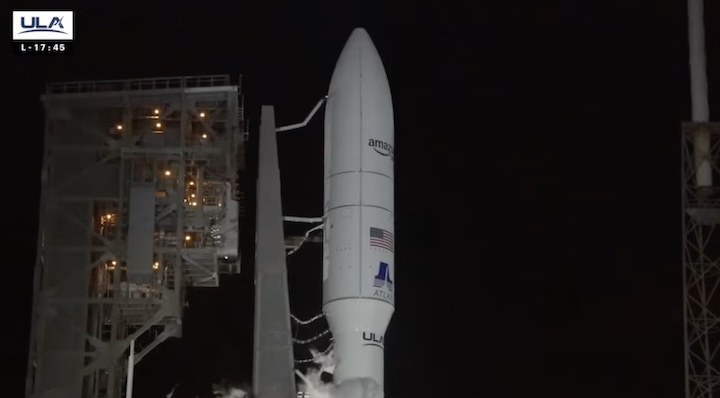
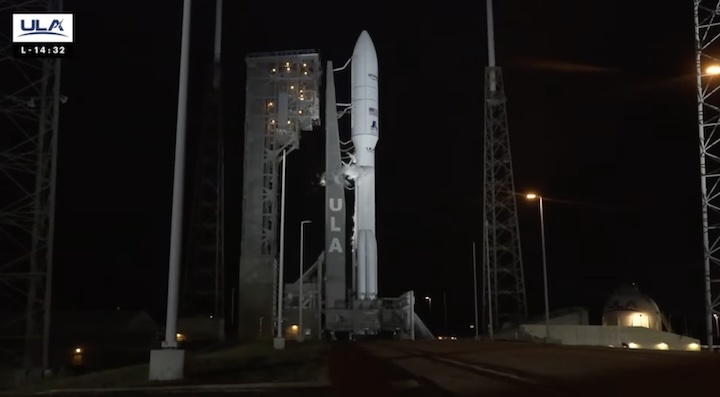
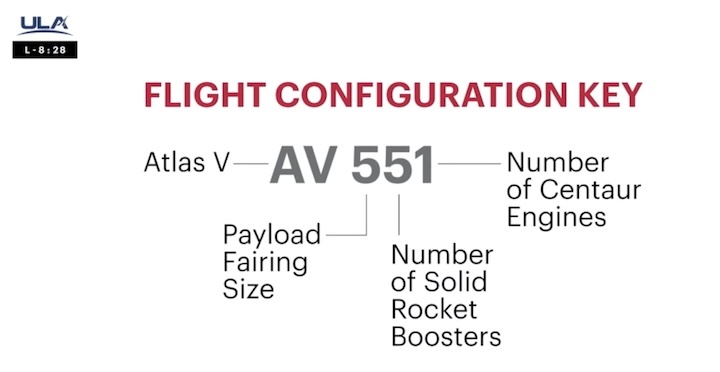
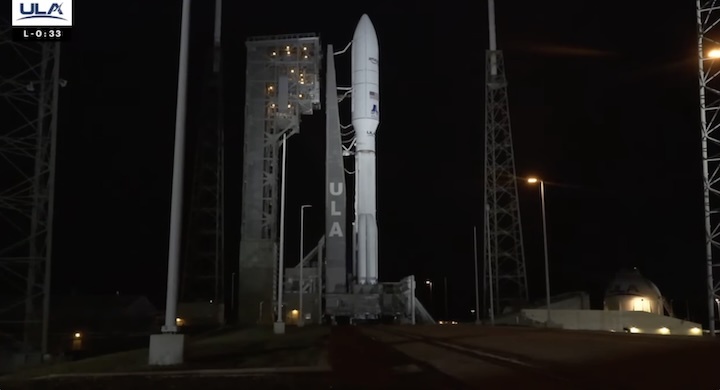
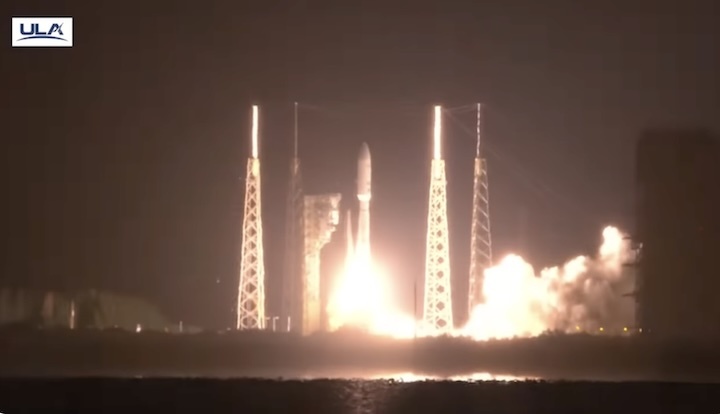
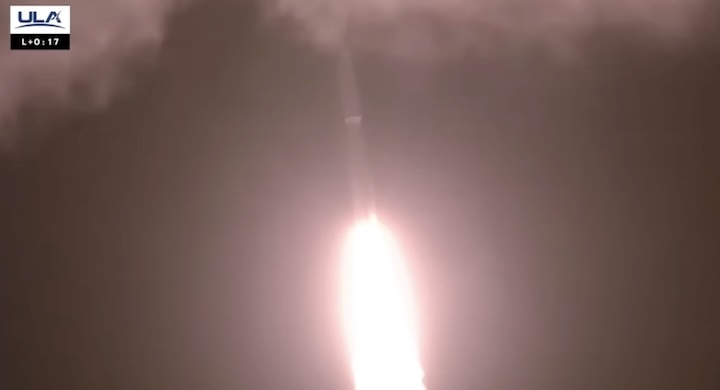
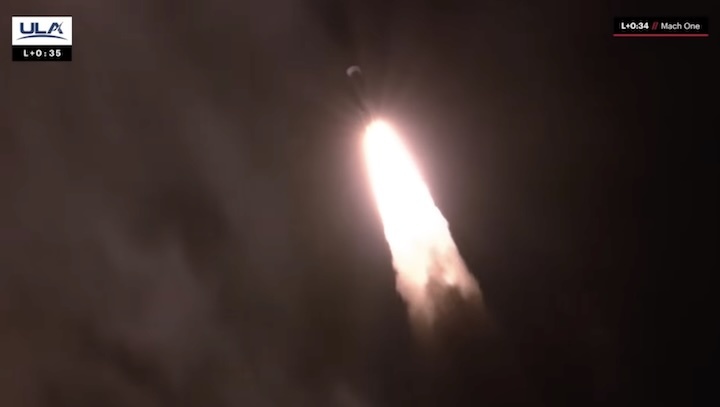
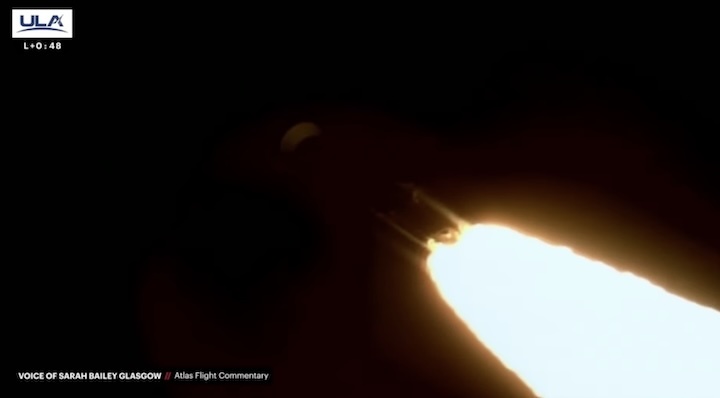
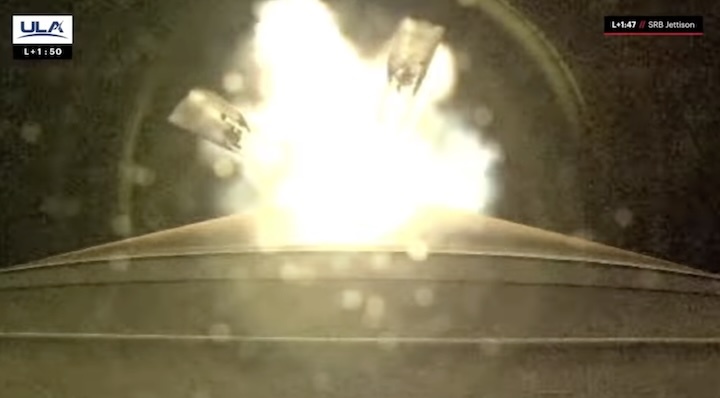
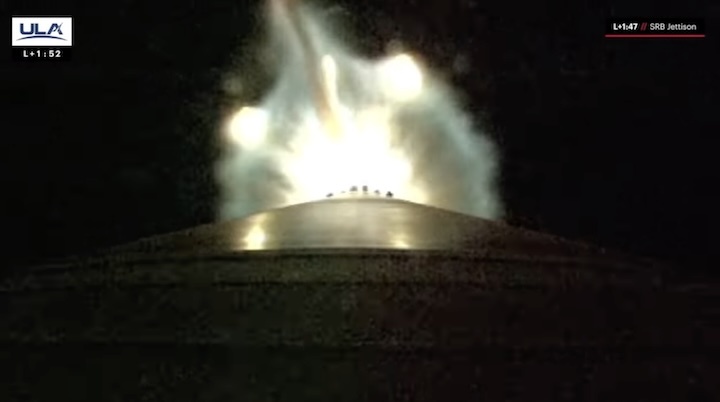
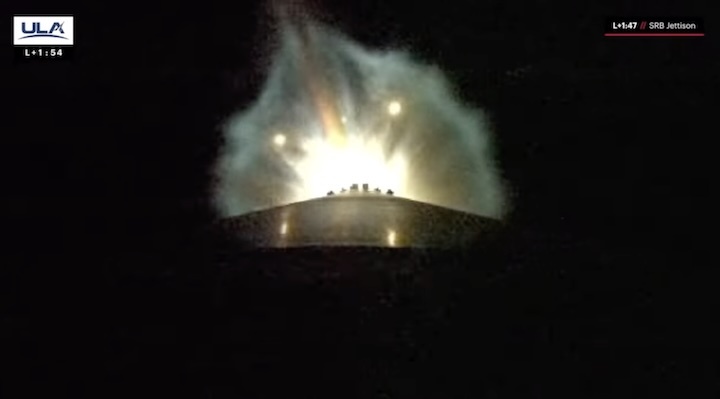
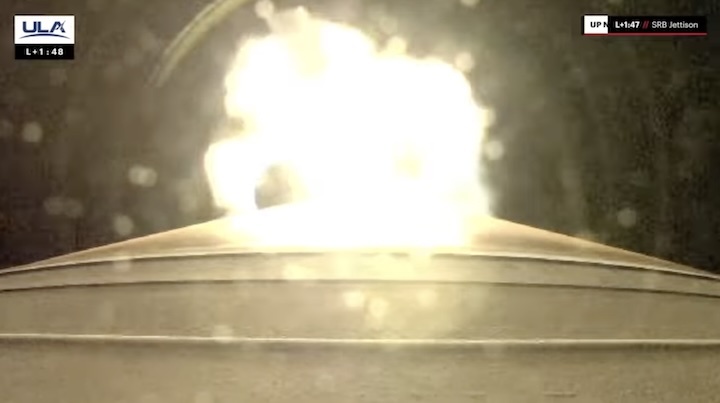
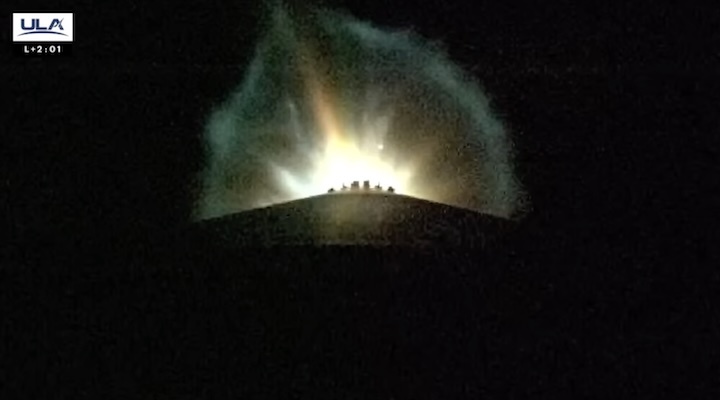
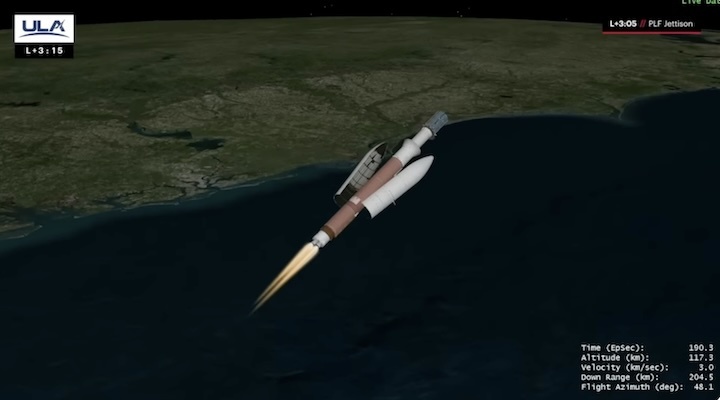
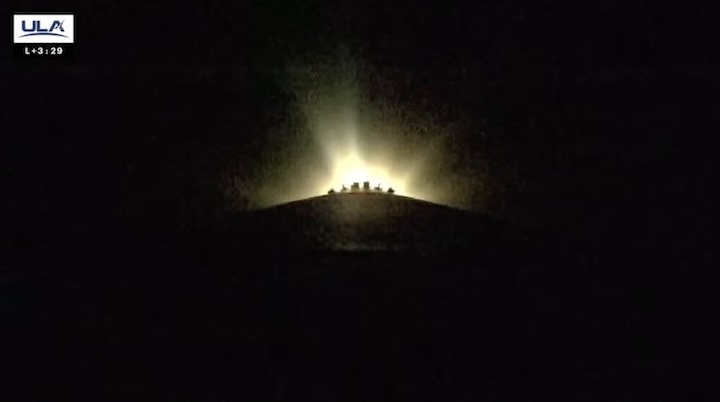
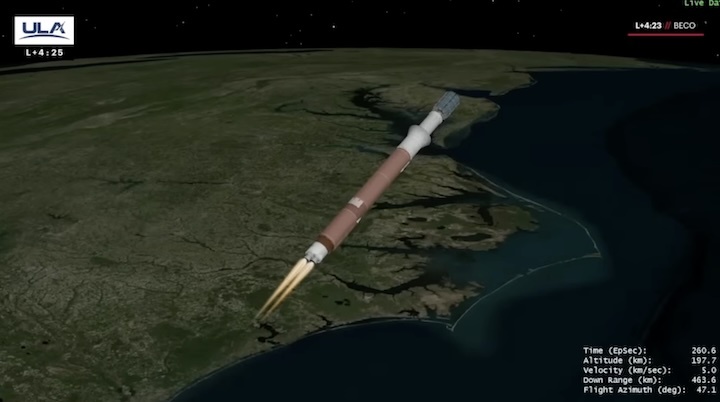
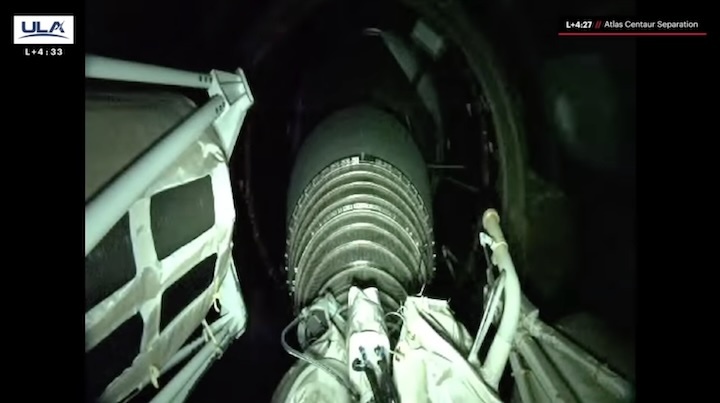
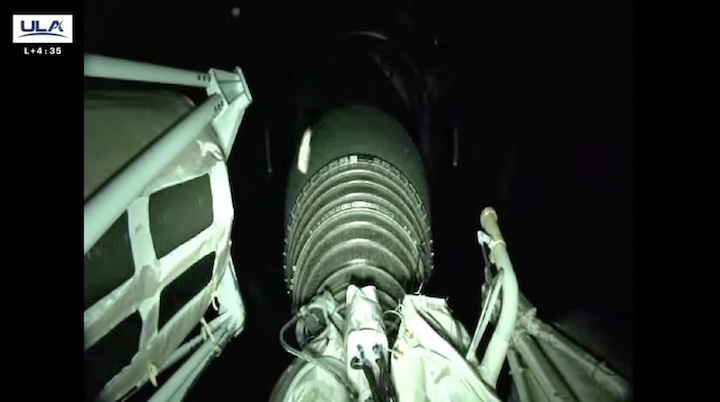
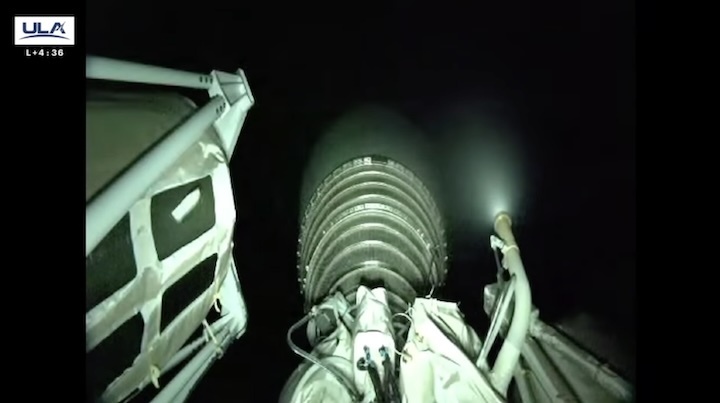
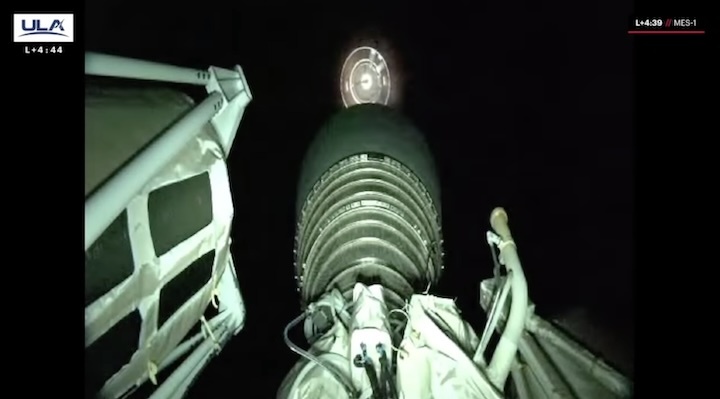
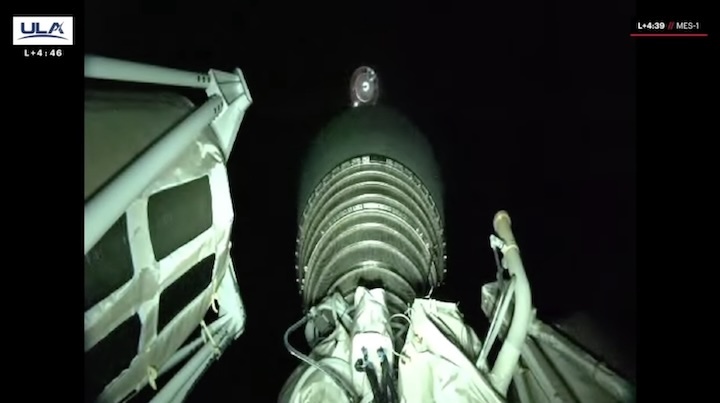
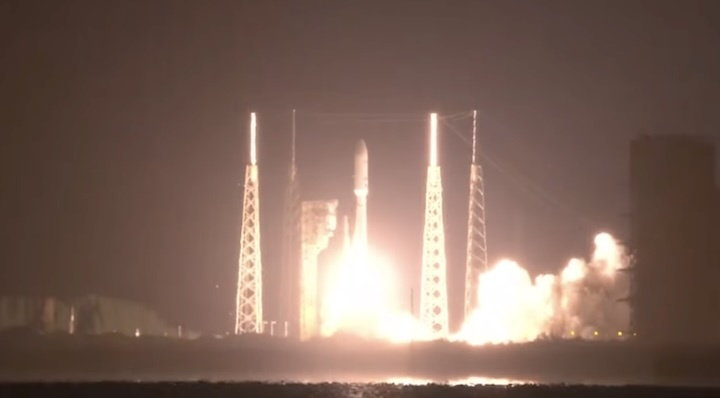
ATLAS V LAUNCHES AMAZON LEO 4
ULA's Atlas V rocket delivered another batch of satellites into low Earth orbit for Amazon Leo, the broadband constellation. Its mission is to provide fast, reliable internet to customers around the world, including those in unserved and underserved communities, using a network of more than 3,000 LEO satellites.
Launch Date and Time: Dec. 16 at 3:28 a.m. EST (0828 UTC)
GO Atlas! GO Centaur! GO Amazon Leo!


Quelle: ULA